

Portland’s technology-forward community increasingly adopts smart locks and digital access solutions for residential properties. As a city known for innovation and sustainability, Portland homeowners appreciate smart locks that offer convenience, energy efficiency, and integration with connected home systems. Understanding the technology, tradeoffs, and practical applications helps Portland residents make informed decisions about upgrading to digital and smart lock solutions.
Keypad Locks Versus App-Controlled Smart Locks
Digital access systems exist on a spectrum from simple keypad locks to sophisticated app-controlled smart locks. Keypad deadbolts represent the simplest digital approach, requiring users to enter a numerical code rather than turn a physical key. These locks function independently, requiring no internet connection or external power beyond batteries. Keypad locks suit Portland homeowners who want basic digital convenience without home automation integration. They work well for property managers managing multiple rental units, as codes can be changed without rekeying. App-controlled smart locks represent the more sophisticated end of the spectrum, enabling smartphone-based access, remote unlock, access logs, and integration with home automation platforms. These systems require smartphone connectivity and typically integrate with home security systems and smart home hubs. Portland homeowners must decide whether they need sophisticated app-based access or whether simple keypad convenience suffices for their situation.
Bluetooth Versus Wi-Fi Connectivity Approaches
Smart locks use different wireless technologies to communicate with phones and control systems, each presenting distinct tradeoffs. Bluetooth locks communicate directly with smartphones at close range, typically within 30-50 feet of the lock. Bluetooth offers strong security, low power consumption, and does not require home internet connectivity. Owners can unlock doors with Bluetooth-enabled phones without relying on cloud services or internet reliability. Bluetooth’s limited range means unlocking happens only when in proximity to the lock, which some users view as a limitation. Wi-Fi enabled locks connect to home networks, enabling remote access from anywhere with internet connectivity. Wi-Fi allows homeowners to unlock doors while away, grant temporary access to contractors working remotely, or coordinate with family members across distances. Wi-Fi connectivity depends on home network reliability and internet service availability. Portland homeowners should evaluate their usage patterns and determine whether proximity-based Bluetooth access meets their needs or whether remote Wi-Fi access provides necessary functionality.
Access Logs, Monitoring, and Activity Tracking
A primary advantage of smart locks is the detailed access logs they maintain, showing when doors were opened, by whom, and using which method. For Portland homeowners with service providers, contractors, or rental arrangements, access logs provide accountability and security insight. You can verify that your housekeeper arrived at scheduled times, contractors completed work on schedule, or family members returned home safely. If unauthorized access occurs, detailed logs show exactly when and help identify when a problem happened. Monitoring capabilities enable real-time notifications when doors open, alerting owners to unexpected access or confirming that family members arrived home as expected. This monitoring feature appeals to Portland homeowners concerned about package theft, especially given recent increases in porch piracy in urban areas. However, access monitoring requires consistent smartphone engagement, as most users disable notifications after initial periods to avoid constant alerts.
Smart Home Integration and Ecosystem Compatibility
Modern smart locks integrate with larger home automation ecosystems, enabling coordination with security systems, lighting, climate control, and other connected devices. A Portland homeowner arriving home could unlock the door, trigger lights to turn on, adjust thermostat, and disarm security systems through a single app or voice command. Smart locks compatible with major platforms like Apple Home, Amazon Alexa, and Google Home provide flexibility as homeowners expand their connected home systems. Integration enables automation rules, such as automatically unlocking doors when family members arrive home or triggering lights and locks when leaving. Portland homeowners building comprehensive smart home systems should prioritize smart lock compatibility with their chosen ecosystem to maximize functionality and ease of use.
Battery Life and Power Management Considerations
All smart and digital locks depend on battery power, as most cannot be directly wired to home electrical systems. Battery life typically ranges from several months to a year or more, depending on technology, usage frequency, and environmental factors. Portland’s damp climate can affect battery performance compared to drier regions. Most smart locks provide low battery warnings, alerting owners well before power depletion occurs. However, homeowners must establish habits of replacing batteries proactively to avoid being locked out when batteries fail unexpectedly. Some users prefer Bluetooth locks that consume less power than Wi-Fi locks, extending battery intervals. Planning for seasonal battery replacement prevents emergency lockouts and ensures reliable operation.
Cybersecurity and Security Vulnerabilities
Smart locks introduce cybersecurity considerations that traditional mechanical locks do not present. Smart lock manufacturers must continuously update firmware to address discovered security vulnerabilities, similar to other connected devices. Portland homeowners adopting smart locks should ensure they purchase from reputable manufacturers with established security practices and track records of prompt security updates. Weak passwords or shared access credentials create vulnerabilities, so it is essential to use strong, unique passwords and limit who receives access codes or smartphone access. While smart locks introduce some cybersecurity risks, reputable manufacturers employ strong encryption and security practices that typically exceed the security of physical key copying. The risk of a hacker breaking into your smart lock remotely is lower than the risk of a previous occupant or service provider using an old key copy to enter your home.
Prioritizing Features for Portland Homeowners
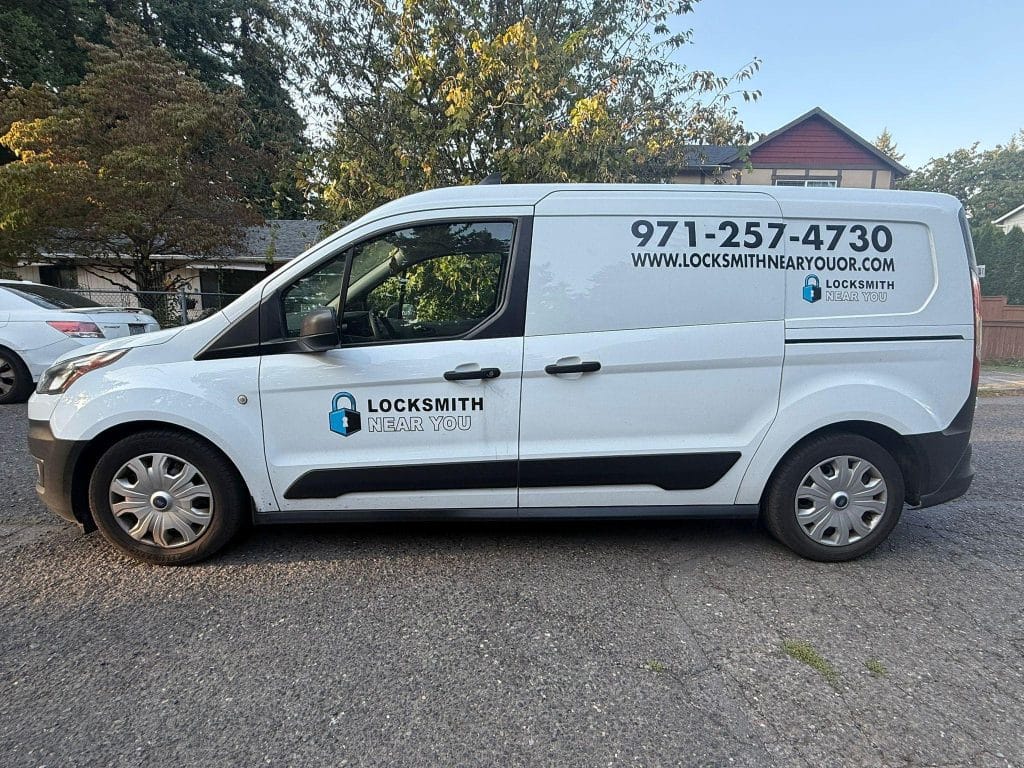
Given the variety of smart lock options available, Portland homeowners should prioritize features based on actual needs. A property manager overseeing multiple rental units benefits from remote access and code management capabilities. A remote worker who frequently hosts contractors values access logs and temporary access codes. A busy family appreciates arriving home convenience and family member notifications. Someone concerned primarily with basic security and convenience might prefer simple keypad access without smartphone connectivity. The most expensive, feature-rich smart lock provides little value if you don’t need those features. Discussing your actual usage patterns and priorities with a professional automotive locksmith Portland expert helps identify the right solution for your circumstances. Locksmith Near You provides guidance on smart lock selection, installation, and integration with your existing security systems and home setup.
Locksmith Near You
2180 SW Roxbury Ave, Portland, OR 97225
(971) 257-4730
locksmithnearyouor.com