

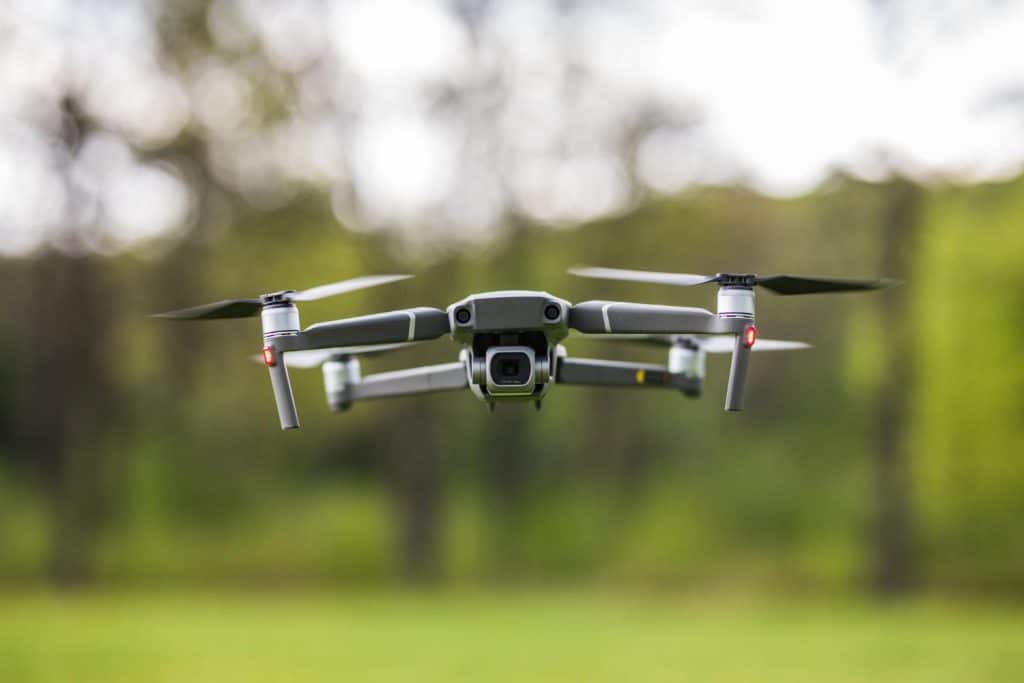
DJI has become nearly synonymous with the word “drone,” and for good reason. The company has established itself as a leader in the consumer and professional drone markets by consistently delivering reliable technology, impressive imaging capabilities, and user-friendly designs. Whether you’re a first-time pilot or a seasoned professional, there’s likely a DJI drone built to match your needs.
This guide explores the entire DJI drone lineup. We’ll examine the key features that make these drones popular and break down each series to help you understand their intended purpose. From pocket-sized camera drones to powerful industrial tools, you’ll get a clear picture of what DJI offers.
Who Is DJI and Why Are Their Drones So Popular?
DJI is a technology company that has pioneered the development of civilian drones and aerial imaging technology. Its reputation is built on a foundation of reliability, innovation, and performance. Users trust DJI drones to fly predictably, capture stunning visuals, and return home safely, thanks to years of engineering refinement.
The company’s success stems from creating a broad ecosystem that caters to a wide range of users. It offers everything from ultra-compact drones for travelers and beginners to more advanced platforms for professional cinematographers and content creators. Beyond consumer models, DJI also produces specialized drones for industrial applications like agriculture, construction, and public safety. This comprehensive approach ensures that as a pilot’s skills and needs evolve, there is a clear upgrade path within the DJI family.
Key Advantages of DJI Drones
Across its diverse lineup, several core advantages consistently appear, defining the DJI experience and setting the standard for camera drones.
- Flight Performance and Stability: DJI drones are known for their exceptional stability, even in breezy conditions. Advanced motors and GPS-assisted hovering allow them to hold their position precisely, making it easier to capture smooth video and sharp photos. They also offer impressive flight times and long-range transmission systems, giving pilots the freedom to explore.
- Imaging Quality: High-quality imaging is at the heart of the DJI brand. Most of its camera drones are equipped with high-resolution sensors and three-axis mechanical gimbals. This combination delivers incredibly stable, professional-looking video and detailed photographs, free from the shakes and jitters of flight.
- Intelligent Flight Modes: Software is a major differentiator for DJI. The drones come packed with intelligent flight modes that automate complex camera movements. Features like subject tracking (ActiveTrack), pre-programmed cinematic shots (QuickShots), and automated flight paths make it simple for pilots of all skill levels to capture dynamic, compelling aerial video.
- Safety Features: Safety is a top priority. Many DJI drones feature sophisticated obstacle sensing systems that can detect and avoid objects in their path. A reliable Return-to-Home (RTH) function automatically brings the drone back to its takeoff point if the battery gets too low or the connection is lost. Geofencing systems also help pilots avoid restricted airspace.
- Foldable and Portable Designs: Recognizing that many users want to fly on the go, DJI pioneered the foldable drone design. Many of its most popular models, including those in the Mini, Air, and Mavic series, can be folded down to a compact size that fits easily into a backpack.
The DJI Mini Series: Ultra-Portable and Beginner-Friendly
The DJI Mini series is designed with portability and simplicity in mind. These drones are incredibly lightweight and compact, making them the perfect companions for travelers, vloggers, and anyone who wants to capture everyday moments from a new perspective.
A key advantage of many drones in this series is their weight, which often falls under 250 grams (about 0.55 pounds). This is significant because, in many countries, drones below this weight threshold face fewer regulations and do not require registration. Despite their small size, DJI Mini drones pack a serious punch in the imaging department, often offering 4K video, high-resolution photos, and excellent gimbal stabilization. They are the ideal choice for beginners and casual flyers who prioritize ease of use and convenience without wanting to sacrifice image quality.
DJI Mavic and Air: Versatile All-Rounders
For those who need more performance than the Mini series offers, the DJI Air and DJI Mavic lines provide a powerful step up. These drones are the versatile workhorses of the lineup, balancing portability with professional-grade features. They are favored by serious hobbyists, content creators, and small business owners.
DJI Mavic for Enthusiasts and Prosumers
The DJI Mavic series has long been the benchmark for prosumer camera drones. These models are built for users who demand higher-end image quality, more robust flight performance, and advanced creative tools. A Mavic drone typically features a superior camera system with a larger sensor, providing better low-light performance and greater dynamic range for professional drone photography and aerial video.
In addition to better cameras, the Mavic line generally offers longer flight times, extended range, and more comprehensive obstacle-sensing systems for enhanced safety during complex flights. It strikes an excellent balance, offering the power needed for professional work while retaining the foldable design that makes it practical for fieldwork.
DJI Air for Creative Flexibility
Positioned as a bridge between the ultra-portable Mini and the powerful Mavic, the DJI Air series offers a compelling middle ground. DJI Air drones are compact and lightweight but often include advanced features like dual-camera systems or enhanced imaging capabilities that give creators more flexibility.
These drones are perfect for serious content creators who need professional-looking footage but still value a portable setup. They deliver a significant upgrade in image quality and flight performance over the Mini series without the full size and cost of the top-tier Mavic models, making them a popular “all-rounder” choice.
FPV and Avata: Immersive Flight and Creative Angles
For a completely different flying experience, DJI offers its FPV (First-Person View) drones. Unlike traditional camera drones piloted by watching a screen on the controller, FPV drones are flown using a headset that shows a live feed directly from the drone’s camera. This creates a thrilling, immersive “in-the-seat” feeling, as if you are flying from the cockpit.
The DJI FPV and Avata models are designed for agility and speed, enabling pilots to perform dynamic, racing-style maneuvers and capture high-energy cinematic shots that are impossible with conventional drones. The Avata, with its ducted propellers and more compact design, is well-suited for flying in tight spaces and closer to subjects. These FPV drones are popular with experienced pilots, filmmakers, and adrenaline junkies looking to add a unique, fast-paced perspective to their aerial video content.
Professional and Industrial Uses of DJI Drones
While best known for its consumer drones, DJI is also a major player in the professional and industrial sectors. The company develops specialized platforms designed for demanding commercial applications, leveraging the same core technologies of stable flight and high-quality data capture. These enterprise-level drones are powerful tools that improve efficiency, safety, and data accuracy across various industries.
Some key applications for professional DJI drones include:
- Construction and Surveying: Drones are used to create detailed 3D models and maps of job sites, track progress, and conduct inspections.
- Energy and Infrastructure: Companies use DJI drones to inspect power lines, wind turbines, bridges, and other critical infrastructure safely and efficiently from a distance.
- Agriculture: Drones help farmers monitor crop health, apply treatments with precision, and optimize yields.
- Public Safety: Law enforcement and fire departments use drones for situational awareness during emergencies, search and rescue operations, and accident reconstruction.
Software, Ecosystem, and Intelligent Features
A key element of DJI’s dominance is its tightly integrated hardware and software ecosystem. The DJI Fly and other companion apps provide a clean and intuitive interface for controlling the drone, managing media, and accessing intelligent features.
One of the standout software technologies is DJI’s transmission system, which sends a clear, low-latency live video feed from the drone to the pilot over remarkable distances. This reliable connection gives pilots the confidence to fly further and frame their shots perfectly. The software also unlocks the intelligent flight modes that make capturing complex shots easy. In the professional sphere, DJI provides Software Development Kits (SDKs) that allow businesses to create custom applications and integrate drones into their specific workflows.
How to Choose the Right DJI Drone for You
With such a diverse lineup, selecting the right DJI drone comes down to understanding your personal goals, budget, and skill level.
- Choose the DJI Mini series if you are a beginner, traveler, or casual user who values portability and ease of use above all else.
- Consider the DJI Air or DJI Mavic series if you are a serious content creator or prosumer who needs higher-quality imaging, longer flight times, and more advanced creative controls.
- Explore the DJI FPV or Avata if you are an experienced pilot interested in immersive, high-speed flight and dynamic videography.
- Look to the professional lines if your work involves specialized industrial tasks like mapping, agricultural analysis, or infrastructure inspection.
Final Thoughts: Why DJI Remains a Go-To Drone Brand
DJI’s position as a market leader is no accident. The brand has earned its reputation by offering a comprehensive lineup of drones that deliver on their promises. From the simple and accessible Mini series to the powerful professional platforms, every DJI product is backed by solid flight performance, excellent cameras, and a suite of intelligent safety and creative features.
This combination of reliable hardware and intuitive software creates a user experience that is both powerful and accessible. By continuing to innovate while maintaining a focus on quality and user needs, DJI ensures it has a compelling option for anyone looking to take to the skies.