

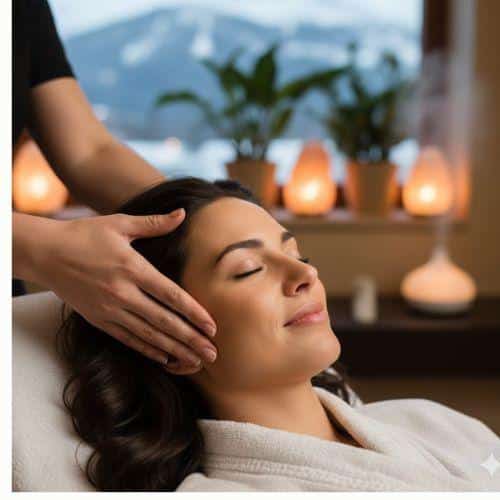
For anyone passionate about achieving thicker, healthier hair, the idea of a simple scalp massage seems almost too good to be true. But is it actually effective? After a decade working as a stylist and observing countless clients’ hair transformations, I can confidently say that scalp massage is more than just a relaxing ritual. It’s a technique that, when done correctly and consistently, can contribute to a healthier scalp and hair growth over time.
Understanding Scalp Stimulation
Before we dive into the benefits of scalp massage, it’s important to understand why it matters. Hair grows from follicles located beneath the scalp, and these follicles rely on healthy blood flow to receive nutrients. Poor circulation, stress, and environmental factors can slow down this process. Scalp stimulation for hair growth essentially works by enhancing blood flow to the follicles, which can encourage stronger, thicker hair.
Multiple studies suggest that stimulating the scalp may activate dormant follicles and improve the overall health of your hair. For example, a 2016 study in Eplasty found that participants who performed a daily scalp massage experienced measurable increases in hair thickness over a six-month period. While the science is still emerging, these findings indicate that the connection between scalp care and hair growth is worth paying attention to.
The Benefits of Scalp Massage
Scalp massage offers a range of benefits beyond potential hair growth. Here are some of the most notable:
- Improved Circulation: Regular massage enhances blood flow to the hair follicles, ensuring that essential nutrients and oxygen reach the roots.
- Stress Reduction: Physical touch and massage trigger relaxation, which may reduce stress-induced hair shedding.
- Oil Distribution: Massaging helps distribute natural oils across the scalp, improving hair texture and moisture.
- Enhanced Product Absorption: When combined with oils or hair treatments, massage ensures better absorption into the scalp.
- Scalp Health: Regular massage can help prevent buildup of dead skin and promote overall scalp cleanliness.
For a deeper dive into these benefits, check out this detailed guide on Scalp Massage Benefits.
How to Perform an Effective Scalp Massage
Not all scalp massages are created equal. The way you perform your massage can significantly influence results. Here’s a professional approach that I recommend:
- Use Your Fingertips: Avoid using your nails. Fingertips apply even pressure without irritating the scalp.
- Circular Motions: Focus on gentle, circular movements, covering the entire scalp from front to back.
- Duration: Aim for 5 to 10 minutes per session. Longer sessions are optional but not always necessary.
- Frequency: Daily massages are ideal, but at minimum, three to four times a week can be beneficial.
- Incorporate Oils: Oils such as rosemary, peppermint, or argan oil can enhance stimulation and nourish hair follicles.
Consistency is key. Treat your scalp massage as part of a broader hair growth routine rather than a one-off solution. Over time, the benefits will accumulate.
Hair Growth Science: How Massage May Affect Follicles
The science behind hair growth techniques, including scalp massage, involves understanding the hair follicle cycle. Hair follicles go through three main phases:
- Anagen (growth phase): Lasts several years; the hair actively grows.
- Catagen (transitional phase): Lasts a few weeks; the follicle shrinks and prepares for rest.
- Telogen (resting phase): Lasts several months; hair eventually falls out, and new growth begins.
Scalp massage may extend the anagen phase or stimulate follicles that are in telogen, potentially increasing the density and thickness of your hair over time. While it’s not a miracle cure, it can complement other hair growth methods and improve overall scalp health.
Integrating Scalp Massage into Your Hair Growth Routine
To maximize benefits, combine scalp massage with a comprehensive hair growth strategy:
- Nutrition: Ensure your diet includes vitamins and minerals essential for hair growth, like biotin, vitamin D, iron, and omega-3 fatty acids.
- Gentle Hair Care: Avoid harsh treatments, excessive heat, and tight hairstyles that strain follicles.
- Topical Treatments: Minoxidil or natural oils may complement massage efforts.
- Stress Management: Chronic stress can accelerate hair loss; massage doubles as a relaxing practice to support mental health.
When I advise clients at my capitol hill hair salon, I emphasize that these methods work synergistically. Massage alone is helpful, but combining techniques yields more noticeable results.
Professional Hair Growth Tips from a Stylist
From a stylist’s perspective, hair growth isn’t just about length. Thickness, shine, and scalp health are equally important. Here are my top recommendations:
- Prioritize Scalp Health: Treat dandruff, dryness, or buildup promptly. A clean scalp is the foundation for strong hair growth.
- Incorporate Scalp Stimulation: Beyond massage, consider gentle brushing or scalp tools that enhance circulation.
- Be Patient: Hair growth is gradual. Consistency over months, not days, produces results.
- Choose Products Wisely: Use shampoos, conditioners, and serums with nourishing ingredients.
- Routine Adjustments: Adapt your hair care to seasonal changes, as dry air or sun exposure can affect scalp and hair health.
Professional hair growth tips often align with natural methods. Even simple daily practices, when done correctly, make a significant difference over time.
Types of Scalp Massage Techniques
You don’t have to stick to one technique. Experimenting with different methods can make your routine more effective and enjoyable:
- Finger Massage: The most common, focusing on circular movements across the scalp.
- Oil Massage: Enhances nourishment and reduces dryness.
- Brush Stimulation: A soft bristle brush can gently stimulate follicles and improve circulation.
- Acupressure Points: Some prefer targeting specific points linked to hair growth in traditional medicine practices.
Even alternating techniques keeps the scalp engaged and prevents stagnation. Think of it as training your follicles to respond actively to stimulation.
Common Misconceptions About Scalp Massage
There are several myths surrounding scalp massage that are worth clarifying:
- It Causes Instant Growth: While massage improves scalp health, hair grows at its natural rate. Expect gradual improvement, not overnight results.
- Any Pressure Works: Too much force can damage follicles. Gentle, consistent pressure is best.
- It Replaces Other Methods: Massage complements hair growth routines; it doesn’t replace proper nutrition or hair care.
Understanding the realistic benefits helps manage expectations and keeps your efforts consistent.
How Scalp Massage Helps Improve Hair Thickness
While many people focus solely on length, increasing hair thickness is equally important. By stimulating follicles, scalp massage may help activate dormant or weak strands. This stimulation can lead to fuller, more voluminous hair, especially when combined with other techniques like proper diet, hair masks, and professional treatments.
Increasing Hair Growth Naturally
If you prefer a natural approach to hair growth, scalp massage is one of the safest methods. You can enhance results with natural oils, a balanced diet, and avoiding harsh styling tools. Key ingredients like rosemary oil and peppermint oil are known to support hair follicle stimulation. These oils, combined with massage, can help increase growth naturally without relying on pharmaceuticals.
Incorporating Scalp Massage at Home
You don’t need to visit a salon for scalp massage. Here’s a practical home routine:
- Start with dry or lightly oiled hair.
- Use your fingertips to massage in small, circular motions for 5–10 minutes.
- Focus on all areas, especially the crown and hairline.
- Perform this routine 3–5 times per week.
- Track your progress by noting changes in hair thickness, shine, and scalp health.
Even a few minutes daily can contribute to long-term improvement.
Combining Professional and At-Home Techniques
Many clients benefit from alternating professional scalp treatments with at-home massage. A stylist can apply serums or treatments designed for hair follicle stimulation, while you maintain daily care at home. This combination ensures the scalp remains healthy and follicles are consistently nurtured.
You can learn more about these professional methods at my capitol hill hair salon.
Conclusion
Scalp massage is a simple, relaxing, and potentially effective addition to any hair growth routine. While it’s not a magic solution, science and professional experience suggest that regular stimulation, combined with proper scalp care, nutrition, and consistent hair growth methods, can lead to thicker, healthier hair over time.
For more information on how massage benefits hair and scalp health, check out Scalp Massage Benefits. Incorporating this technique, along with mindful hair care, can make a noticeable difference in your hair growth journey.
FAQs
Q1: How often should I perform a scalp massage for hair growth?
A: Ideally, 5–10 minutes daily is recommended. If that’s not possible, 3–4 times per week can still provide benefits.
Q2: Can scalp massage alone improve hair thickness?
A: While massage can stimulate follicles and improve circulation, it works best alongside proper nutrition, scalp care, and consistent hair growth techniques.
Q3: Are there any oils that enhance scalp massage effectiveness?
A: Yes. Oils like rosemary, peppermint, and argan oil are known to nourish follicles, improve circulation, and support scalp health when combined with massage.