

Key Takeaways
- Early intervention therapies can significantly improve social and communication skills in children with ASD.
- Parent-led therapies empower families to actively participate in their child’s development.
- Innovative approaches, such as gamified frameworks and socially assistive robots, are emerging as effective tools in autism therapy.
- Art and play therapies provide alternative avenues for expression and social skill development.
Table of Contents
- Introduction
- Early Intervention Therapies
- Parent-Led Therapies
- Innovative Technological Approaches
- Art and Play Therapies
- Conclusion
Children with Autism Spectrum Disorder (ASD) often encounter unique challenges related to communication, social skills, and behavior. Understanding the most effective therapies is essential for families and caregivers seeking guidance. A range of therapeutic approaches, from traditional early interventions to new technological tools, are making a tangible difference in the lives of children with ASD. For those looking for personalized support and professional insight, Amy Fowler Therapy offers expertise in helping families find the right therapeutic fit. Each child on the autism spectrum has distinct strengths and needs, requiring a tailored, flexible approach. Advances in therapy—such as parent-led intervention, assistive technology, and creative modalities like art and play—are opening new doors for development and connection. By exploring these therapies, families and educators can empower children to build vital skills, flourish academically and socially, and improve quality of life both at home and in the community.
Early Intervention Therapies
Initiating therapy as early as possible can have profound effects on developmental outcomes for children with ASD. Evidence from the Telethon Kids Institute underscores the importance of early intervention: children who received early, parent-led therapeutic support were two-thirds less likely to meet the criteria for an autism diagnosis than those who did not. Early therapies typically target foundational communication, social, and adaptive skills—laying the groundwork for future learning and interaction. Well-established practices such as Applied Behavior Analysis (ABA) have shown consistent results in improving social engagement and functional skills when started in early childhood. ABA, along with speech and occupational therapy, offers structured activities designed to nurture positive behaviors and minimize challenges that may hinder learning or socialization. These approaches remain cornerstones for early support.
Parent-Led Therapies
Integrating parents as partners in therapy creates consistency and empowerment in a child’s growth. One notable model is Pivotal Response Training (PRT), which is built around incorporating learning into daily routines and motivating children through their interests. By involving parents directly, therapy can continue beyond clinical settings—enriching everyday moments and accelerating progress. A study published in the Journal of Child Psychology and Psychiatry demonstrated that 84% of parents successfully delivered PRT after a 12-week training, leading to significant practical improvements in children’s language and communication. This hands-on involvement enables parents to respond to their child’s needs in real time and develop stronger, more supportive relationships—benefits that ripple throughout the family system.
Innovative Technological Approaches
Technology is rapidly changing the landscape of autism intervention. One of the most promising tools is the integration of gamified frameworks into traditional therapy settings. These systems, often delivered via interactive mobile apps, engage children in structured play and learning activities, supporting therapists in tracking progress and optimizing sessions. The combination of digital engagement and professional oversight has been shown to reduce downtime in therapy while increasing focus and momentum. Socially assistive robots are also making significant strides as therapeutic aids. These robots use interactive play, music, and movement-based exercises to strengthen children’s motor skills, turn-taking, and social responsiveness. Robotic platforms can be especially motivating for some children with ASD, providing a safe and predictable environment for learning to navigate social interactions.
Art and Play Therapies
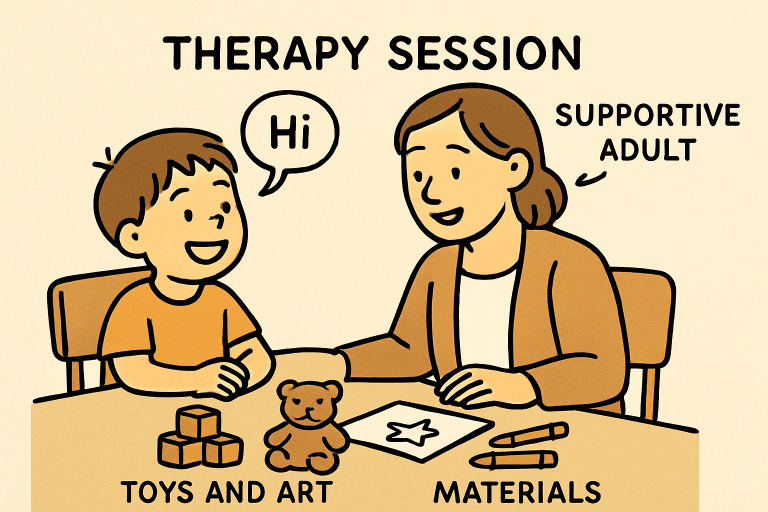
Creative therapies like art and play are essential avenues for emotional expression and skill development, particularly for children who find verbal communication challenging. Art therapy encourages children to communicate through drawing, painting, or sculpture—activities that promote sensory regulation, psychomotor skills, and self-awareness. More importantly, creative sessions provide a judgment-free space where children can explore and express their feelings. Play therapy, especially child-centered play therapy (CCPT), effectively builds social skills and emotional resilience. In one study, just eight sessions of CCPT led to notable improvements in how autistic children interacted with teachers and peers. The National Institutes of Health highlight play therapy as an evidence-based practice for enhancing self-esteem and relationship skills among children with ASD. Children learn empathy, cooperation, and problem-solving through play-based interaction in supportive, engaging environments.
Conclusion
Providing effective, compassionate support for children on the autism spectrum involves an individualized approach. Whether through early intervention, empowering parents, embracing technology, or engaging in the transformative power of art and play, these therapies offer hope and tangible benefits for children and their families. By combining these strategies—and seeking guidance from professionals and reputable organizations—families can unlock a world of possibilities for growth, connection, and joy.