

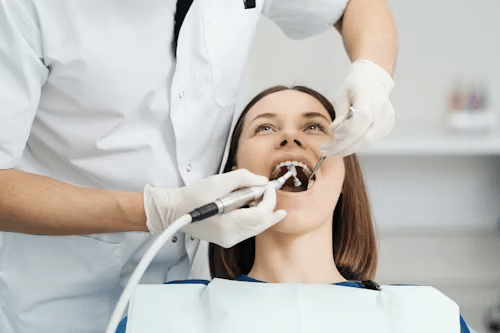
Dental problems do not always happen during regular routines. A sudden crack, swelling, or sharp tooth pain may interrupt work, meals, or sleep without warning. Many people begin searching for an emergency dentist near me when symptoms become difficult to ignore.
Urgent dental care focuses on checking the problem quickly and helping prevent further damage. Dental emergencies can involve injuries, infections, damaged restorations, or severe discomfort. Learning what to watch for helps people respond faster and make informed decisions.
Best Signs a Dental Problem Needs Immediate Care
Some oral health problems develop slowly, while others appear suddenly. Pain and visible damage are often signs that the issue should not wait. An emergency dentist may evaluate conditions such as swelling, loose teeth, gum bleeding, or severe sensitivity. Early attention may help reduce complications and improve comfort.
Persistent Pain While Eating or Drinking
Pain during meals may point to tooth damage or irritation inside the tooth. Some people also notice discomfort when drinking cold or hot beverages.
Pain that continues for several hours or worsens over time should not be ignored. Temporary relief does not always mean the issue has been resolved.
Bleeding That Continues After Injury
Bleeding after an accident or dental trauma may require professional attention. Soft tissue injuries inside the mouth can sometimes appear minor at first.
Rinsing gently with water may help clear the area before seeking care. Avoid touching injured areas repeatedly because this may increase irritation.
Top Causes Behind Emergency Dental Visits
Many urgent dental visits happen because of accidents or untreated oral problems. Daily activities can sometimes lead to unexpected injuries.
Sports impacts, biting hard foods, and untreated cavities are among the common causes of emergency dental problems. Small issues may also become more serious over time.
Cracked Teeth From Hard Foods
Teeth may crack after biting ice, hard candy, or other firm foods. Cracks can range from small surface damage to deeper fractures.
Some cracks may cause sensitivity while others lead to pain during chewing. Quick assessment helps determine the condition of the tooth.
Infections Around the Tooth or Gum
Infections may develop from untreated decay or gum problems. Symptoms often include swelling, tenderness, or pressure near the affected area. People sometimes search for an emergency dentist near me after noticing facial swelling or severe discomfort. Treating the source early may help reduce further complications.
Best Home Care Tips Before Your Appointment
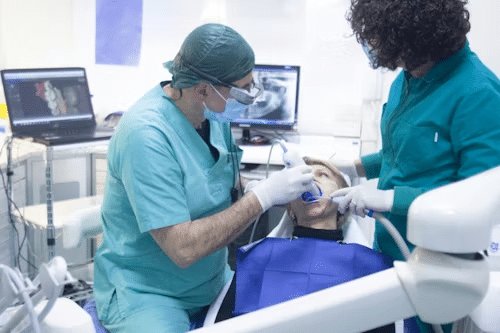
Simple steps at home may help reduce discomfort while waiting for professional care. These actions focus on protecting the affected area.
Home care should not replace a dental evaluation. It only helps manage the situation temporarily before treatment.
Keep the Mouth Clean Carefully
Rinsing gently with warm water may help remove food particles and debris. This is often useful after injuries or broken restorations.
Avoid aggressive brushing around painful areas. Gentle cleaning may help lower irritation before the visit.
Stay Away From Hard or Sticky Foods
Hard foods may increase pressure on damaged teeth. Sticky foods can also irritate loose fillings or crowns.
Soft meals are often easier to manage during dental discomfort. Avoid chewing on the affected side whenever possible.
Top Treatments Used During Emergency Dental Care
Emergency dental visits usually start with an examination. Dentists identify the cause of pain or damage before discussing treatment options.
Treatment depends on the condition and severity of the issue. The main focus is often reducing discomfort and protecting oral health.
Repairing Chipped or Broken Teeth
Small fractures and chipped teeth may require restoration work. Repair treatment helps improve function and reduce sensitivity.
Protecting damaged teeth may also help prevent future problems. Some repairs are completed during the emergency visit itself.
Managing Swelling and Infection
Swelling around the gums or jaw may indicate infection. Dental professionals evaluate the area to determine the next step.
Patients often contact an emergency dentist because swelling can interfere with eating and speaking. Early management may help reduce discomfort.
Best Habits That Help Prevent Dental Emergencies
Preventive habits play an important role in oral health. While accidents cannot always be avoided, daily care may lower risk.
Simple routines often support stronger teeth and healthier gums over time.
Wear Protection During Physical Activities
Mouthguards may help reduce dental injuries during sports and recreational activities. This added protection is useful for both adults and children.
Dental trauma commonly happens during contact sports and accidental falls. Preventive equipment may help reduce impact damage.
Schedule Routine Dental Checkups
Routine checkups help identify small issues before they become serious. Dentists can often detect early signs of decay or damage during examinations.
Early treatment may reduce the chance of needing urgent dental care later. Consistent monitoring supports long term oral health.
How an Emergency Dentist Helps During Urgent Situations
An emergency dentist focuses on diagnosing and managing unexpected dental problems. Patients often seek care when pain, swelling, or injury affects daily life.
Urgent dental visits may involve damaged teeth, infections, broken restorations, or gum related concerns. Understanding available care options helps people feel more prepared during stressful situations.
Conclusion
Dental emergencies can happen at any time and often require quick attention. Symptoms such as swelling, bleeding, severe pain, and cracked teeth should not be ignored.
People searching for an emergency dentist near me usually want fast support and clear guidance. Acting early may help protect oral health and prevent further complications.
FAQs
What should I do if my tooth cracks suddenly?
Rinse your mouth gently and avoid chewing on the damaged side until you see a dentist.
Can gum swelling become serious?
Yes. Swelling may indicate infection and should be checked by a dental professional.
Is severe tooth sensitivity an emergency?
Strong or lasting sensitivity may require urgent evaluation, especially if pain increases.
Why do fillings fall out?
Fillings may loosen because of wear, decay, or pressure from chewing hard foods.
When should I search for an emergency dentist near me?
You should seek urgent dental care for severe pain, swelling, bleeding, or dental injuries.