

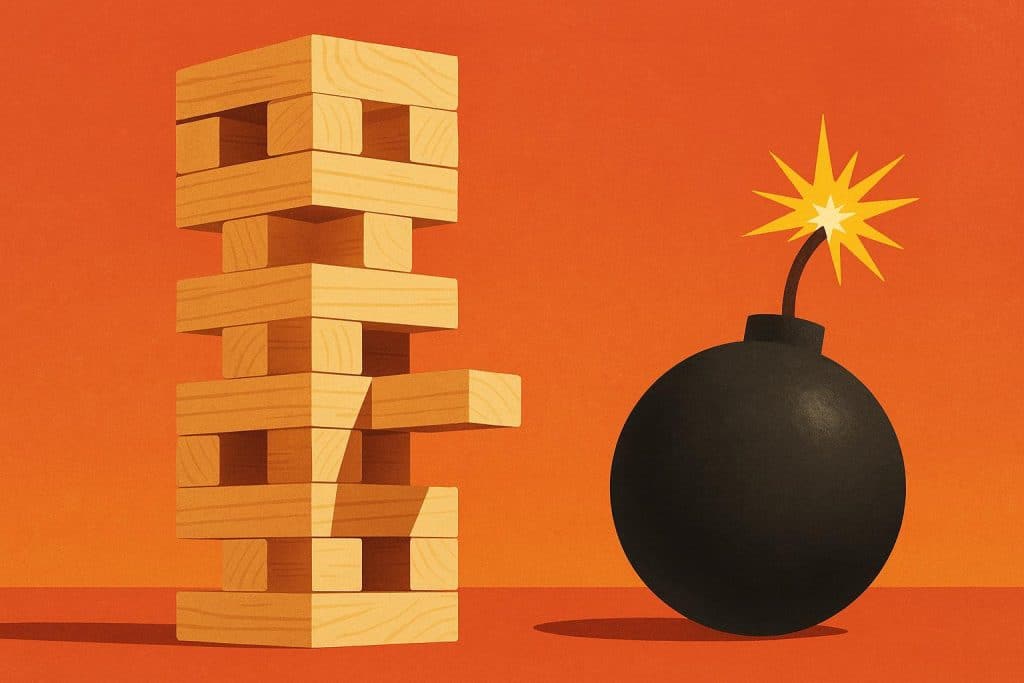
The Allure of Composure in High-Stakes Moments
Across film, television, and even celebrity culture, audiences are endlessly fascinated by characters who face enormous stakes without flinching. They don’t rush. They don’t panic. While chaos unfolds around them, they pause, assess, and act with unsettling calm. Whether it’s a mastermind orchestrating a heist, a lawyer navigating a hostile courtroom, or a pop star handling a public scandal with surgical restraint, entertainment consistently rewards those who remain composed when the pressure peaks.
This obsession isn’t accidental. Calm risk-takers represent a fantasy of control in a world that feels increasingly volatile. Most people experience pressure as something overwhelming—tight deadlines, public judgment, emotional conflict. Watching someone else move through those moments with clarity feels aspirational. It reassures us that pressure doesn’t have to break you; it can be managed, even mastered.
Calculated Risk Over Reckless Behavior
Modern storytelling leans heavily into this archetype. Think of characters who speak less when tensions rise, who choose silence over reaction. Their power comes not from physical dominance but from psychological steadiness. They gather information while others expose themselves. They allow opponents to underestimate them. In entertainment, this restraint often signals intelligence, confidence, and emotional superiority.
Notably, these figures are rarely portrayed as reckless thrill-seekers. Although they take risks, their decisions are framed as deliberate rather than impulsive. When a plan succeeds, it’s not because of luck alone but because the character understood timing, read the situation correctly, and knew when to commit—and when to walk away. Risk becomes a disciplined practice, not a chaotic gamble.
Pressure as a Narrative Testing Ground
This dynamic is especially visible in high-stakes genres. Crime dramas, political thrillers, and psychological series thrive on moments where one wrong decision could unravel everything. Yet the characters audiences admire most are the ones who resist escalation. They conserve emotional energy while others burn out. Their calm becomes a strategic advantage.
Even reality entertainment follows this pattern. Competition shows often reward participants who maintain emotional control under stress. Contestants who overreact or act too aggressively tend to falter, while those who observe quietly, waiting for the right moment, often advance further. Over time, viewers come to recognize that restraint is not passivity—it is preparation.
Games of Perception and the Power of Patience
Stories centered on games, negotiations, or power struggles frequently highlight this principle. Occasionally, a scene will unfold around a table where very little happens on the surface. A character hesitates before making a move, studies the room, and resists the urge to act too soon. In some narratives, this setting includes a poker table—not as spectacle, but as subtext. The cards themselves matter less than the ability to read others, manage uncertainty, and accept that folding can be as powerful as pushing forward. 포커 플레이어 포커 리뷰상, used sparingly, becomes a metaphor for patience, discipline, and emotional control rather than chance.
Calm Does Not Mean Cold
Entertainment is careful not to confuse composure with a lack of emotion. These characters still feel the weight of the moment. Subtle cues—a delayed breath, a tightened jaw, a glance held just a second too long—reveal the tension beneath the surface. Their calm is not the absence of fear, but the mastery of it. This distinction is what makes them compelling rather than inhuman.
Why Quiet Confidence Resonates Today
As audiences grow more media-literate, exaggerated bravado has begun to lose its appeal. Loud confidence often reads as insecurity. In contrast, the character who doesn’t need to announce their power feels more authentic. Modern entertainment increasingly suggests that true authority is quiet, measured, and self-aware.
The Fantasy of Control in an Uncertain World
Ultimately, entertainment’s fixation on calm risk-takers reflects a collective desire for agency. In watching these characters, audiences engage in a fantasy of facing uncertainty without panic—of making clear decisions even when outcomes are unclear. The appeal isn’t the risk itself, but the grace with which it’s handled. Under pressure, staying calm becomes the boldest move of all.