

When it comes to protecting lives, property, and business continuity, fire safety is non-negotiable. Commercial buildings in Australia must comply with stringent safety standards to ensure preparedness in the event of a fire emergency. From small office blocks to large retail complexes, every commercial premises must be equipped with the appropriate fire safety equipment—and maintained to remain fully functional at all times.
Whether you’re a business owner, property manager, or facilities coordinator, understanding what’s required and why it matters can make all the difference. Here’s a comprehensive guide to the essential fire safety equipment every commercial building should have.
Understanding Your Legal Obligations
Before diving into the equipment checklist, it’s crucial that you understand your responsibilities under local laws. Each Australian state and territory has its own fire safety legislation, and building owners must adhere to specific standards based on location, building classification, and occupancy. For instance, New South Wales fire safety regulations outline clear requirements for annual fire safety statements, equipment maintenance schedules, and evacuation procedures. Failing to comply not only puts lives at risk but may also result in significant fines and legal repercussions.
Fire Extinguishers
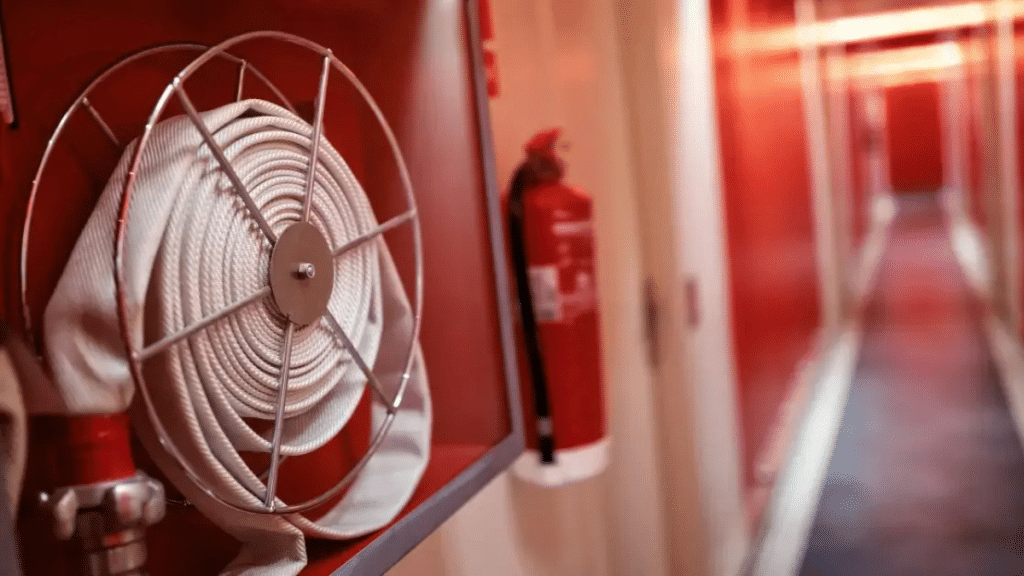
Fire extinguishers are a baseline requirement for all commercial buildings. The type and number of extinguishers required depend on the nature of the business and the fire risks present. For example:
- Water-based extinguishers for paper and wood (Class A fires)
- CO₂ extinguishers for electrical fires (Class E)
- Dry chemical extinguishers for a broader range of fire types, including flammable liquids
These must be clearly visible, unobstructed, regularly inspected, and serviced at least every six months in accordance with AS 1851.
Fire Blankets
Often found in kitchens or food preparation areas, fire blankets are designed to smother small fires, especially those involving cooking oil. Compact and easy to use, they can be critical in high-risk zones within a commercial setting such as restaurants, cafés, and office kitchenettes.
Fire Hose Reels
For larger fires, particularly those involving combustible solids, fire hose reels can provide a continuous water supply. These are generally located in hallways or service corridors and should be used by trained personnel only. Routine inspections are essential to ensure they’re operational when needed.
Smoke Detectors and Fire Alarms
Smoke detectors are your early warning system, alerting occupants of a potential fire before it escalates. Fire alarms, both manual and automatic, ensure rapid building-wide alerts. Modern systems often integrate with emergency lighting, automatic doors, and other safety systems for streamlined evacuation. All detection and alarm systems should comply with AS 1670 and be part of a scheduled maintenance program.
Emergency Exit Signs and Lighting
Power outages are common during fires, which is why emergency lighting and clearly marked exit signs are critical. These guide occupants to the nearest safe exit and must remain illuminated during an emergency. In Australia, these systems must be tested every six months.
Fire Sprinkler Systems
Sprinklers can control or extinguish fires before emergency services arrive. In some high-risk buildings—such as warehouses, multi-level commercial towers, and healthcare facilities—sprinklers are mandatory. They are usually linked to the building’s fire detection system for automatic activation.
Fire Doors and Compartmentalisation
Fire-rated doors and barriers help contain fire and smoke, allowing occupants more time to evacuate. These doors must remain closed (or be self-closing), and should never be wedged open. Regular checks are essential to ensure they close and latch correctly.
Evacuation Diagrams and Procedures
Every commercial building must display evacuation diagrams that show emergency exits, fire equipment locations, and assembly areas. Staff should also be trained in fire safety procedures, including evacuation drills, use of equipment, and communication protocols.
Investing in essential fire safety equipment isn’t just about compliance—it’s about protecting people, assets, and livelihoods
By understanding your obligations, you can ensure your commercial premises are well-prepared for any fire emergency. If you’re unsure whether your current fire safety setup meets the required standards, consider a professional fire risk assessment. Prevention, preparation, and proper equipment are your best defence against fire hazards. Need expert help ensuring compliance with local fire safety laws? Contact a qualified fire protection specialist or building compliance expert today.