

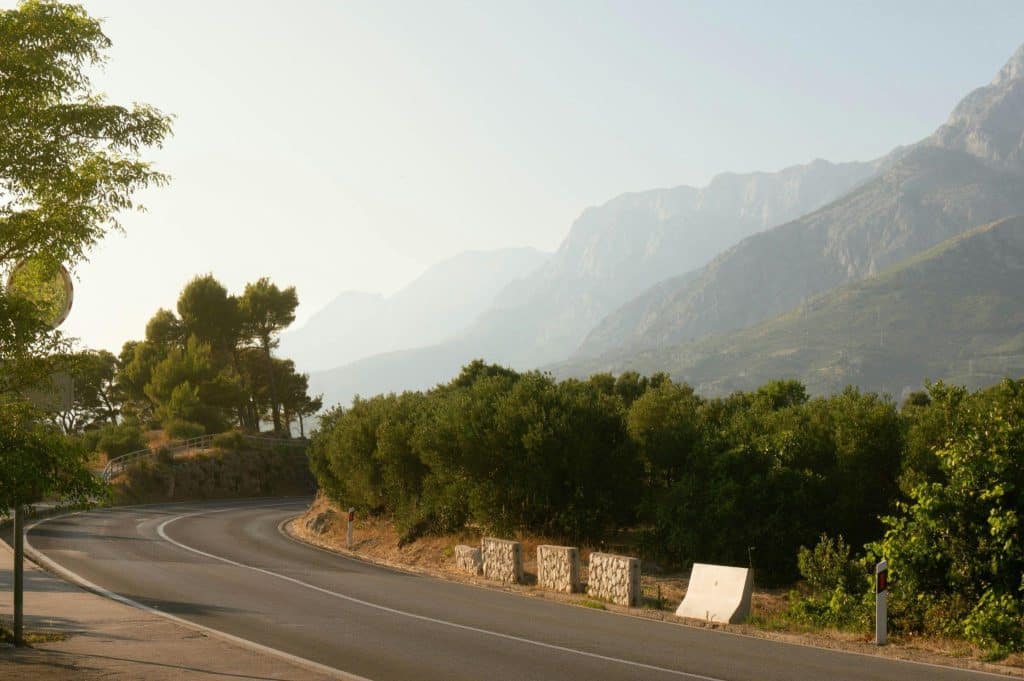
Croatia is the land that unites the medieval towns and blue water, small villages and bustling scenic roads. To explore it properly, much depends on the knowledge of how transportation functions. Whether it is island hopping or a scenic mountain road, the travel choice becomes part of the experience. The awareness of when to sail, drive or ride can make a good trip extraordinary. These essential transportation tips reveal not only practical advice but also a few surprising insights that may assist travellers in going through Croatia with confidence and curiosity.
Getting Around by Road: Freedom with a View
Road travel is one of the most satisfying ways to explore Croatia. The highways are in very good condition, and the smaller roads are heading towards vineyards, waterfalls or stone villages which can hardly be spotted on the postcards.
Driving is especially enjoyable, particularly within the interior of the country, such as Istria or Slavonia. However, summer months are crowded along the coast, and the old towns have hardly any parking spaces. There are highway tolls, and it is preferable to carry cash or cards – this will save time.
Helpful road travel tips include:
- Hire small cars for narrow historic streets.
- Use the morning when the traffic is less to travel along the coast.
- Know about the speed cameras, especially in towns.
- Limitations of fuel stations may be in the islands and on country roads.
A little bit cheaper and more efficient alternative to the driving option is Croatia transfers, which are convenient for travellers who do not want to drive. There are services, such as GetTransfer, that provide already booked transportation that removes the language barrier and route confusion, especially after long-haul flights or the arrival of ferries.
Ferries, Islands, and the Art of Timing
The islands of the Republic of Croatia are one of the greatest attractions, and ferries are the links that hold them. Sea travel is both convenient and picturesque, by large car ferries or fast catamarans. The schedules are seasonal, with summer being full of connections and winter having to think of the schedule.
Transfers by taxi in Croatia are very sensitive to time, coordination and a certain degree of unpredictability. Such a little pause can alter the rhythm of the ride, turning a simple ride into a sudden twist or a great experience of the journey.
Key ferry travel tips:
- Arrive early during the high season.
- Only cars and not passengers are carried on ferries.
- Make reservations on routes that are popular with the book.
- Flexible, because it might be delayed by the weather.
Public Transport in Cities: Simple and Efficient
Croatian cities have reliable public transportation systems. The preponderant trams are used in Zagreb, and buses in Split, Dubrovnik and coastal towns. The prices of the tickets are low, and the routes are simple, even when it comes to short visits.
A significant role is also contributed by walking. It is also possible that many old towns are car-free and are filled with slow exploration as opposed to speed. Transport passes are no less important than comfortable shoes.
It is easy to move around the city more easily with the schedule checked in advance, and especially on Sundays or holidays when it is possible to reduce the services.
Conclusion
Transportation in Croatia is not just a means of getting from one place to another. It defines how an individual discovers the nation. The roads unveil the untold scenery, ferries open the life of islands, and transport within cities makes historic centres open. Every journey becomes a part of the story, and with careful planning and readiness to compromise, every journey will succeed. It is by selecting the appropriate transport at the appropriate time that Croatia opens itself in layers, pleasing travellers with ease and surprise.