

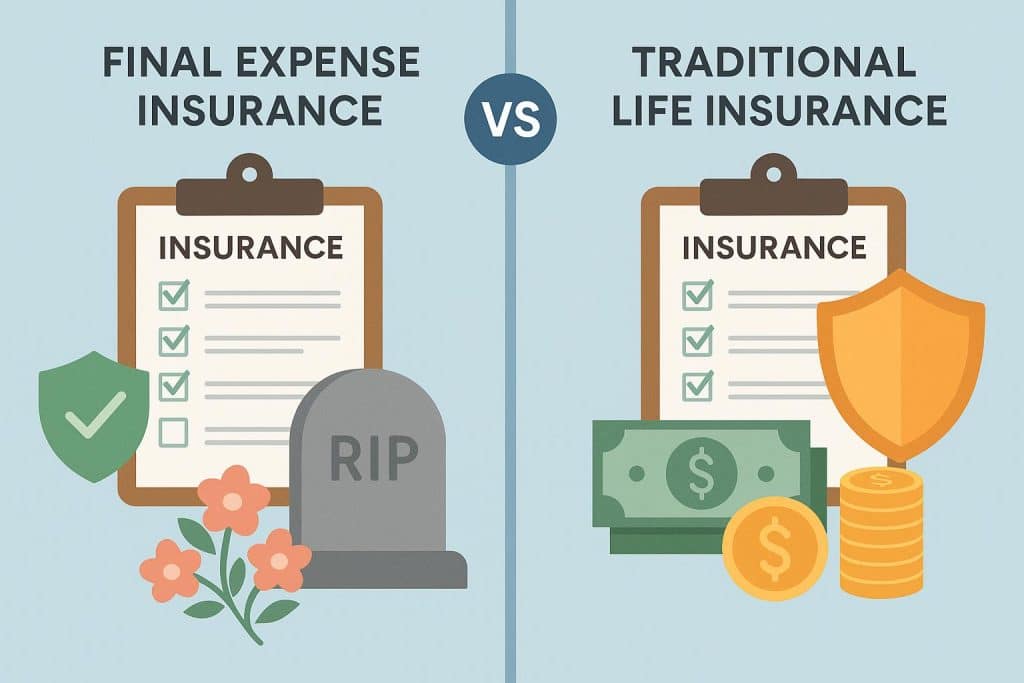
Choosing between Final Expense Insurance and Traditional Life Insurance can be a daunting task, especially for those navigating the intricacies of financial planning within an agency. Understanding the nuances of each option is crucial for making informed decisions that align with individual needs and circumstances. This article breaks down the specifics of both types of insurance, highlights their key differences, and explores how to determine the most suitable coverage for you, with a focus on financial implications and benefits.
Final Expense Insurance vs Traditional Life Insurance Explained
Final Expense Insurance is designed to cover costs associated with end-of-life expenses such as funeral, burial, cremation, and any outstanding medical bills or debts. It is a smaller policy compared to traditional life insurance, generally offering coverage between $5,000 and $25,000. This type of insurance is particularly beneficial for those seeking straightforward approval processes without extensive underwriting requirements.
Traditional Life Insurance, on the other hand, offers a broader scope of financial security, typically providing higher coverage amounts that can support more extensive financial needs, such as ongoing income replacement or significant debts. However, it often involves more complex underwriting, requiring detailed health assessments and longer approval times. Agencies often use a Final Expense Insurance policy as a specialized solution that provides peace of mind for families by ensuring that immediate expenses are covered.
Key Differences Between Final Expense and Traditional Life Insurance
The primary difference between these two insurance types lies in their purpose and coverage amount. Final Expense Insurance is specifically tailored to handle immediate post-death expenses, making it a convenient choice for those looking for simplicity and affordability. Traditional Life Insurance, however, serves as a comprehensive financial safety net, often involving higher premiums due to its extensive coverage.
In an agency setting, leveraging a Creative Brief can help outline the specific goals and requirements for each insurance type, ensuring that clients understand the distinct advantages and limitations of each policy. Furthermore, the inclusion of a Lead Scoring Model can assist agencies in identifying potential clients who would benefit most from each insurance option, thereby optimizing the sales process.
How to Determine the Right Insurance Coverage for Your Needs
Determining the right insurance coverage requires a thorough understanding of personal financial goals and current obligations. Agencies can guide clients through this process by conducting detailed assessments using tools like a KPI Dashboard to evaluate performance metrics and financial readiness. Final Expense Insurance is ideal for those with limited estate planning needs, focusing purely on covering immediate costs.
Conversely, if the goal is broader financial protection, encompassing income replacement and long-term debt coverage, Traditional Life Insurance might be more suitable. Agencies should consider creating a Client Onboarding strategy that clearly outlines client needs and aligns them with the appropriate insurance products, ensuring tailored solutions that fit individual circumstances.
Financial Implications and Benefits of Each Insurance Type
Each insurance type carries unique financial implications. Final Expense Insurance offers simple, affordable coverage that provides peace of mind without impacting overall financial plans significantly. The ease of approval and minimal underwriting make it an attractive option for those seeking hassle-free solutions.
Traditional Life Insurance, while offering higher coverage and broader financial security, involves more considerable commitments in terms of premiums and policy management. Agencies can utilize Workflow Automation Tools to streamline policy administration, enhancing efficiency in managing client portfolios. A critical component of agency-driven insurance planning is Campaign Optimization, which ensures that each client’s insurance solution is both cost-effective and aligned with their long-term goals. Additionally, understanding the financial implications of different policies is essential for effective decision-making.
Conclusion
Choosing between Final Expense Insurance and Traditional Life Insurance depends on individual needs and financial objectives. Final Expense Insurance offers a straightforward, cost-effective solution for covering immediate post-death expenses, while Traditional Life Insurance provides comprehensive coverage for broader financial security. Agencies play a pivotal role in guiding clients through these choices, ensuring that each policy choice offers the best value and peace of mind. Consider exploring options with Amerus Insurance Group to compare policies and secure the most appropriate coverage for your needs.