

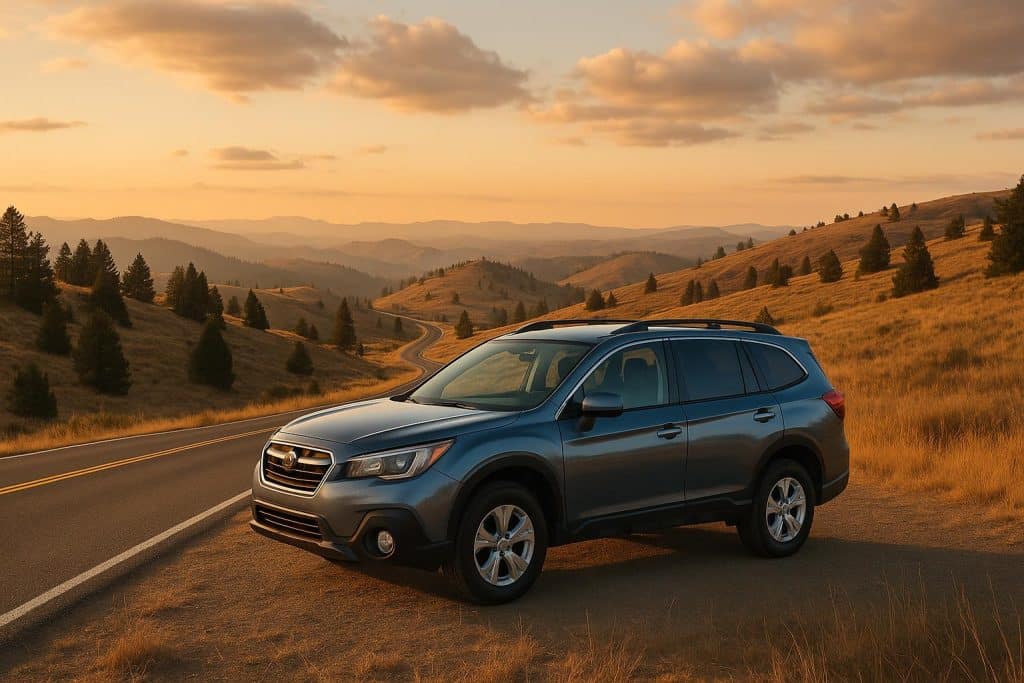
Road trips offer a unique sense of freedom, adventure, and the opportunity to explore new landscapes at your own pace. However, the key to a memorable road trip is ensuring you have a reliable vehicle that can handle long hours on the road without unexpected issues. Choosing the right car is not just about comfort or style; it is about safety, dependability, and performance. Here is a guide to help you find the perfect vehicle for your next adventure.
Consider Your Trip Needs
Before you start shopping for a vehicle, it is important to define the nature of your road trip. Are you planning a cross-country journey or a weekend getaway? Will you be driving through urban areas, winding mountain roads, or long stretches of highway? The type of terrain and distance you plan to cover will influence the kind of vehicle you need. For instance, a fuel-efficient sedan might be ideal for highway travel, while an SUV or crossover could be better for rougher terrains or trips that require more cargo space.
Check Vehicle Reliability
Reliability should be a top priority when selecting a road trip vehicle. A breakdown in the middle of nowhere can turn an exciting adventure into a stressful experience. Research vehicle models known for longevity and minimal maintenance issues. Reading reviews, checking reliability ratings, and even consulting friends or family who own the same model can provide insight into which cars are best suited for extended travel. Certified pre-owned vehicles can also be a wise choice because they undergo rigorous inspections and come with warranties that provide peace of mind. For example, if you’re looking for used vehicles Orlando, City Kia offers a variety of pre-owned options that combine affordability with quality assurance, making them a great starting point for road trip-ready vehicles.
Evaluate Comfort and Features
Long hours on the road can be exhausting, so comfort should not be overlooked. Look for a vehicle with supportive seating, adequate legroom, and a smooth ride. Modern cars offer advanced features that enhance comfort and convenience, such as climate control, adaptive cruise control, and infotainment systems. USB ports and smartphone connectivity are particularly useful for keeping devices charged and passengers entertained during long stretches of travel.
Consider Fuel Efficiency
Fuel costs can add up quickly on long trips, making fuel efficiency an essential factor. Smaller vehicles tend to be more fuel-efficient than larger trucks or SUVs, but there are exceptions. Hybrid or electric models can significantly reduce fuel expenses while also being environmentally friendly. When evaluating vehicles, check the miles-per-gallon rating and consider how often you are willing to stop for refueling.
Prioritize Safety
Safety is paramount when traveling, especially on unfamiliar roads. Modern vehicles are equipped with a range of safety features, including blind-spot monitoring, lane departure warnings, and automatic emergency braking. Ensure the vehicle you choose has up-to-date safety technologies and a strong crash-test record. Additionally, it is wise to have a vehicle inspection performed before your trip to catch any potential issues with brakes, tires, or fluid levels.
Budget Wisely
Finally, consider your budget. Road trips can be expensive, and buying or renting a vehicle should fit comfortably within your travel budget. Pre-owned vehicles often offer a balance between cost and reliability, allowing you to invest more in the trip itself rather than the car. Financing options and warranties can also help manage expenses while ensuring your vehicle is dependable.