

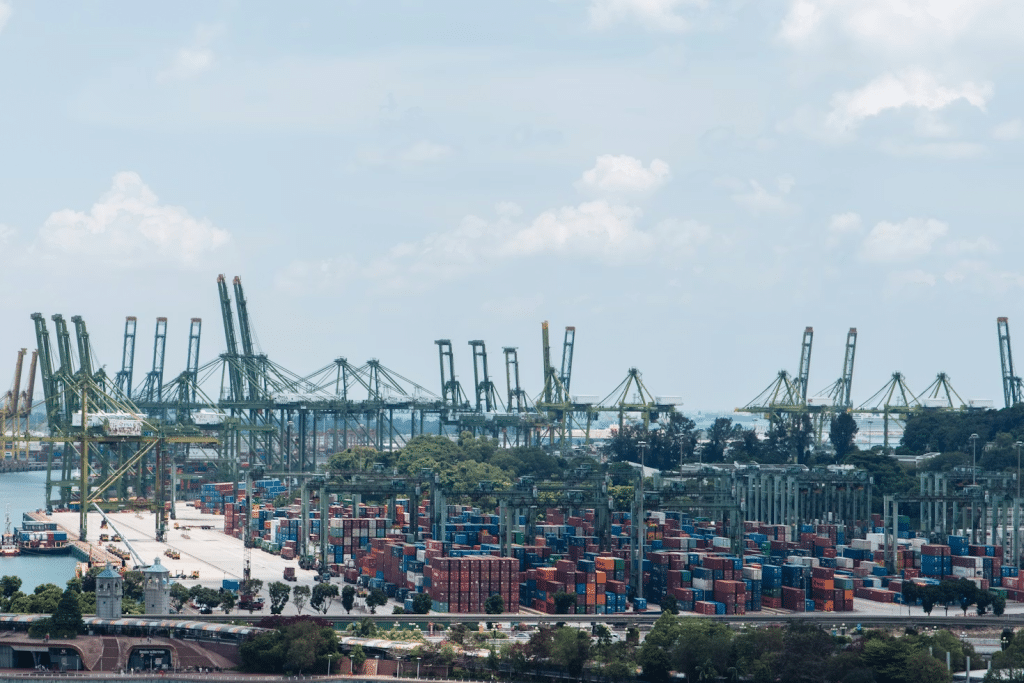
Changi moves cargo with a kind of quiet urgency. Miss a detail on the invoice and you may be looking at delays, storage bills, and days of “just following up” messages.
A freight forwarder worth paying for does more than lock in a rate. They arrange trucking, storage, air or sea transport, and customs clearance, and keep the data tidy so your cargo doesn’t drift off course.
Some lanes demand extra discipline. On shipping from japan to Netherlands you may need domestic pickup in Japan, a long leg by air or sea, and then last mile delivery by truck across the Netherlands. That is a chain of handoffs, and Changi specialists who live and breathe intermodal work can make it feel almost boring, which is the highest compliment in logistics.
What to look for before you shortlist anyone
Skip the sales sparkle and go straight for specifics. How would they ship your freight, and why that route. A serious operator will explain mode options, realistic transit ranges, and the risk points they’re already watching.
Start the conversation with a fast screening checklist:
- A route plan built around your time constraints and cargo requirements.
- Intermodal options, like road plus sea or road plus air, with a clear rationale.
- Customs support that defines who prepares, what and when.
- Tracking that stays consistent at partner handoffs.
- Insurance guidance and a claims process in plain language.
If the answers are vague, move on. Changi has depth.
Pricing that stays honest
Freight costs are rarely one clean number. Many quotes are built on a per unit transport work tariff that reflects distance, weight, and dimensions, then expanded with operational charges. The usual suspects include order processing, loading and unloading time, depot to pickup travel, plus deadhead mileage between unloading and the next loading point.
When you compare offers, ask for a line by line breakdown. If you hear all inclusive, ask what is excluded.
On the destination side, remember that the Netherlands leans hard on road transport, often paired with ports and rail for intermodal flows. For domestic delivery, typical transit inside the Netherlands is often one to five days depending on location and service type, so the last mile plan matters.
Mode choices, the practical version
Most international moves become multimodal. Air can be the lifesaver for urgent cargo, often via Narita or Haneda with arrival into Amsterdam Schiphol. Sea freight can be the cost friendly backbone for heavier volumes when timelines allow.
Some shippers use a platform like GetTransport to compare vetted carrier options for the trucking segments while the forwarder coordinates the wider plan. It keeps the truck pieces transparent without turning the shipment into a DIY puzzle.
Paperwork that keeps your cargo moving
Customs is complicated, sure, but consistency isn’t optional. Before pickup, verify these key items are clean:
- Commercial invoice with accurate values and matching descriptions.
- Packing list that mirrors the invoice line for line.
- Shipper and consignee details exactly as registered.
- HS codes and certificates for regulated goods when required.
- Cargo insurance details and handling notes for sensitive freight.
Once the documents agree, clearance is usually a process, not a firefight. Your forwarder should flag gaps early and confirm who owns each step.
Final questions to ask
Who will update you and how often. What happens if a flight is bumped or a port is congested. Can they handle both FTL and LTL if your volume changes.
Freight forwarding is not about flashy promises. It is steady follow through, repeated. Choose the provider that sounds precise, stays transparent, and treats small details like big deals.