

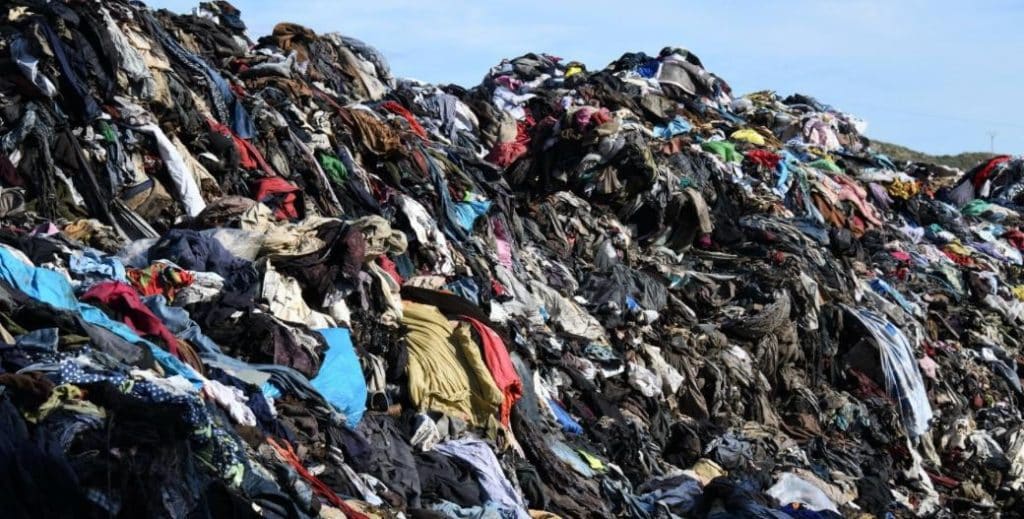
For many brands, the final stage of the textile lifecycle has historically been treated as routine disposal. Uniforms, samples, and defective merchandise leave facilities with little oversight, often handled by vendors whose primary focus is volume rather than accountability. That approach is now being reevaluated as brands confront the real risks tied to end‑of‑life textiles.
Without certified destruction, branded goods can re‑enter circulation through resale platforms, gray markets, or unauthorized reuse. In some cases, uniforms are worn by individuals impersonating employees. In others, nonconforming products are resold, creating consumer confusion and eroding brand trust. These outcomes are rarely intentional, but they are common when companies lack documentation and control over final disposition.
Vespene Recycling was established to bring accountability to this overlooked stage of the supply chain. Based in Nevada, the company specializes in certified textile destruction designed to permanently remove branded goods from circulation. Through industrial shredding, textiles are rendered unwearable beyond recognition, eliminating the possibility of resale or misuse.
Central to Vespene’s approach is documentation. Each project includes comprehensive chain‑of‑custody records tracking materials from pickup through final processing, along with certificates of destruction suitable for audits, internal controls, and third‑party verification. For brands facing growing scrutiny from regulators, partners, and consumers, this documentation provides defensible proof rather than assumptions.
This shift toward documentation is being accelerated by regulatory change. California’s SB 707 Responsible Textile Recovery law will require companies to demonstrate where textiles go at end of life and whether recovery pathways meet circularity standards. Traditional recycling methods that downcycle textiles into rags or insulation do not qualify and offer no protection against recirculation.
When appropriate, Vespene offers a downstream textile‑to‑textile recycling pathway through The New Denim Project in Guatemala. Shredded material is transformed into new fabric rather than low‑value byproducts, with documentation that supports ESG reporting and compliance objectives. Importantly, this circular pathway follows secure destruction, ensuring brand protection remains intact.
Operationally, Vespene is built to scale. The facility sorts and destroys up to 10 tons per hour and operates 24/7 using automated AI‑enabled sorting to maintain efficiency and cost competitiveness. This allows brands of all sizes to adopt certified destruction without operational disruption.
As expectations shift, brands are recognizing that disposal without documentation is a liability. Certified destruction supported by traceable records is becoming the standard for responsible, modern brand management.