

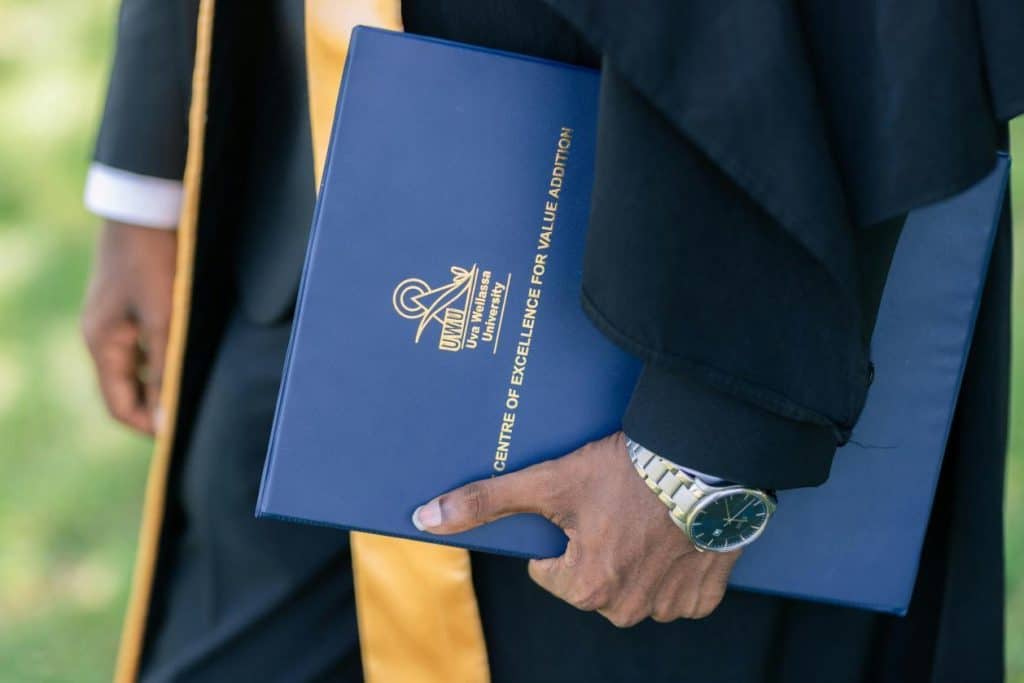
Graduation brings job applications, graduate school admissions, and international opportunities. Yet graduates increasingly navigate digital application systems with strict requirements for document formats, verification, and submission procedures. In this transition, a digital application packet keeps essential records accessible, application-ready, and securely archived for future use. This reflects a broader shift toward structured digital document management across academic, professional, and international mobility pathways, where CamScanner has become an integral part of many students’ application workflows.
The Blueprint: Building Your Master Packet
Before using any application portal, graduates are encouraged to create a centralized digital archive of their most important records. These documents often continue to support academic, professional, and international opportunities long after graduation.
Proper organization reduces administrative stress and ensures critical files remain accessible whenever needed. Maintaining structured and searchable records relies increasingly on CamScanner as document requirements grow more complex.
In practice, many graduates only realize the importance of structured documentation when managing multiple application deadlines. Missing or incorrectly formatted files can directly affect application outcomes. Early preparation helps reduce reliance on fragmented storage across devices, cloud drives, and email accounts.

A complete master packet typically includes:
Academic Verification: Official transcript, degree certificate or diploma, and letter of completion.
Career Materials: Resume or CV, letters of recommendation, and internship certificates/employment records.
Identity Essentials: Passport bio page, government-issued identification, and visa/immigration documents (if applicable).
When organized in advance, these materials help graduates avoid repeated searches, duplicate uploads, and last-minute document requests during important application deadlines. Instead of retrieving files from multiple sources, applicants can access verified records from a single structured archive, reducing submission errors during busy recruitment periods. This also makes it easier to adapt when different institutions or employers require different document combinations.
In this workflow, CamScanner is commonly used to digitize and organize paper-based documents into searchable digital files. This helps reduce duplication and ensures consistency across different application systems.

Strategic Scenarios: Job Hunting, Graduate School & Immigration
Corporate Onboarding: Recruitment processes often move quickly. After receiving a job offer, employers may request transcripts, identification documents, and certifications for background verification. Having these files prepared in advance allows candidates to respond faster and avoid delays in the hiring process.
Graduate School Applications: Graduate admissions frequently require transcripts, recommendation letters, personal statements, and financial documents. Many universities also require multiple files to be combined into a single PDF before submission. Maintaining a well-organized document archive is a key part of a successful application strategy under tight deadlines.
Immigration & International Opportunities: For international programs like OPT in the United States or PGWP in Canada, documentation requirements are extensive and strict. Packages include passport scans, academic records, and institutional forms. Even minor formatting issues or missing files can delay visa processing timelines, making preparation essential for global mobility. It also helps applicants respond more efficiently to time-sensitive requests from institutions.
Overcoming Technical Barriers
Many important documents still originate as paper records. Recommendation letters, certificates, and official forms must be digitized before submission. Navigating different platform requirements often adds complexity to the process.
CamScanner is widely used in this context to convert physical documents into digital formats through mobile scanning, PDF conversion, file compression, document merging, and OCR-based text recognition. This helps create structured, searchable files that meet varying submission standards across platforms. As document collections grow, OCR search also makes it easier to locate transcripts or certificates within seconds during application periods.
Beyond graduation, these records remain relevant for years during career transitions, visa renewals, professional promotions, and continuing education. They form part of a long-term personal documentation system that supports both mobility and administrative continuity.
By building a structured digital application packet, graduates can stay prepared for future opportunities, simplify application workflows, and focus on the next chapter of their professional journey.