

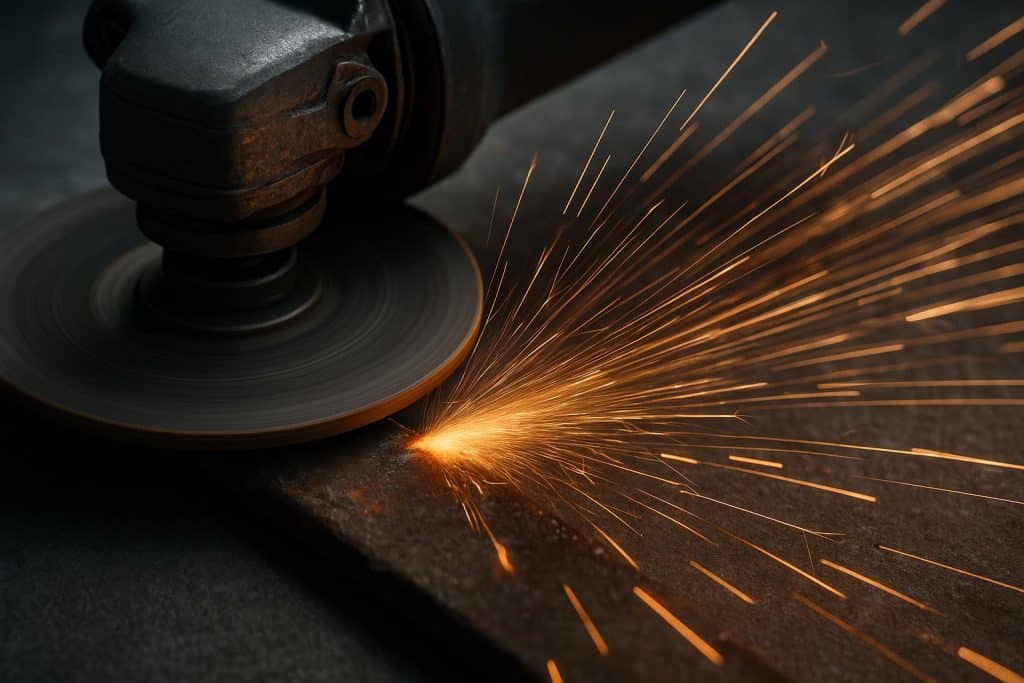
Industrial grinding is a core process within many manufacturing environments, shaping materials to precise dimensions and finishes. It supports a wide range of sectors, from metalworking to construction, ensuring that components meet strict performance and durability standards. As production demands continue to grow, grinding technologies have evolved to provide greater accuracy, efficiency, and safety.
The Role of Grinding in Material Processing
Grinding is used to remove small amounts of material from a surface, creating a smooth, uniform finish. It is especially valuable when dealing with hard substances such as metals, ceramics, and composites. Unlike cutting or drilling, grinding provides fine control over the final outcome, allowing manufacturers to achieve tight tolerances that other methods cannot deliver.
When Grinding Is Preferred
Grinding becomes the method of choice when:
- Components require extremely smooth finishes.
- Materials are too tough for traditional cutting tools.
- Precision must be maintained across complex shapes.
- Heat-sensitive materials need controlled processing.
Types of Grinding Techniques
Several grinding techniques are used across industries, each suited to particular tasks.
Surface Grinding
Surface grinding involves moving a workpiece beneath a rotating abrasive wheel. This method is ideal for creating flat, consistent surfaces and is frequently used in the production of machine parts, mould plates, and precision tools.
Cylindrical Grinding
Cylindrical grinding shapes the outside of round objects such as shafts, bearings, and rollers. It ensures perfect symmetry and helps components function smoothly in mechanical systems.
Centreless Grinding
Centreless grinding supports mass production by removing the need to clamp the workpiece. Instead, the material is guided between two wheels, allowing for high-speed processing and uniform results.
Internal Grinding
Internal grinding focuses on the inner surfaces of components, often used to create exact internal diameters for pipes, cylinders, and specialised fittings.
Equipment Used in Industrial Grinding
High-quality machinery is central to effective grinding. An industrial grinder provides the power and precision necessary for commercial-scale operations, handling tough materials while maintaining consistent output. These machines vary widely in size and capability, depending on the demands of the application.
Key Features of Modern Grinding Machines
Modern equipment often includes:
- Variable speed control for improved accuracy.
- Advanced cooling systems to manage heat.
- Automated feeds for consistent pressure.
- Digital measurement tools for real-time feedback.
Such features support higher production quality while reducing waste and manual effort.
Materials Commonly Processed
Grinding is used on an extensive range of materials, each benefiting from the control and versatility the process provides.
Metals
Metals such as steel, aluminium, titanium, and copper alloys are regularly ground to achieve precision finishes. This is crucial for components used in transport, engineering, and structural applications.
Ceramics
Ceramics offer excellent durability but are brittle and difficult to shape through conventional means. Grinding allows for fine shaping without causing fractures.
Composites
With increasing use in aerospace and automotive industries, composites require careful handling. Grinding provides the necessary delicacy to refine their surfaces.
Safety Considerations
Grinding involves high-speed motion and abrasive materials, making safety essential in industrial environments.
Protective Measures
Operators typically follow strict safety measures, including:
- Wearing protective eyewear, gloves, and hearing protection.
- Keeping equipment properly maintained.
- Using guards and shields to prevent debris spread.
- Ensuring adequate ventilation to manage dust.
A well-run workspace significantly reduces the risk of accidents and equipment damage.
Environmental Factors
As manufacturing industries aim to reduce their environmental impact, grinding processes have also adapted.
Waste Reduction
Modern grinding machines produce finer waste particles, which can often be collected and recycled. Cooling systems now use fluids designed to minimise pollution and increase efficiency.
Energy Efficiency
Energy-saving motors and automated systems help reduce overall consumption, supporting sustainability goals without compromising output quality.
Applications in Industry
Grinding is indispensable across many sectors.
Engineering and Fabrication
Precision components for engines, machines, and tools rely on consistent grinding to function correctly.
Construction and Stonework
Grinding prepares masonry and stone surfaces, ensuring stable, level foundations for further work.
Manufacturing and Production
In mass-production settings, grinding ensures uniformity across thousands of identical parts, maintaining performance standards.
Conclusion
Industrial grinding remains a vital part of modern production, balancing precision, power, and adaptability. From shaping metals to refining composites, it supports a multitude of industries and continues to advance with new technologies and sustainability efforts. Through careful application and evolving equipment, grinding helps manufacturers meet the growing demands for accuracy and efficiency in an increasingly competitive global market.