

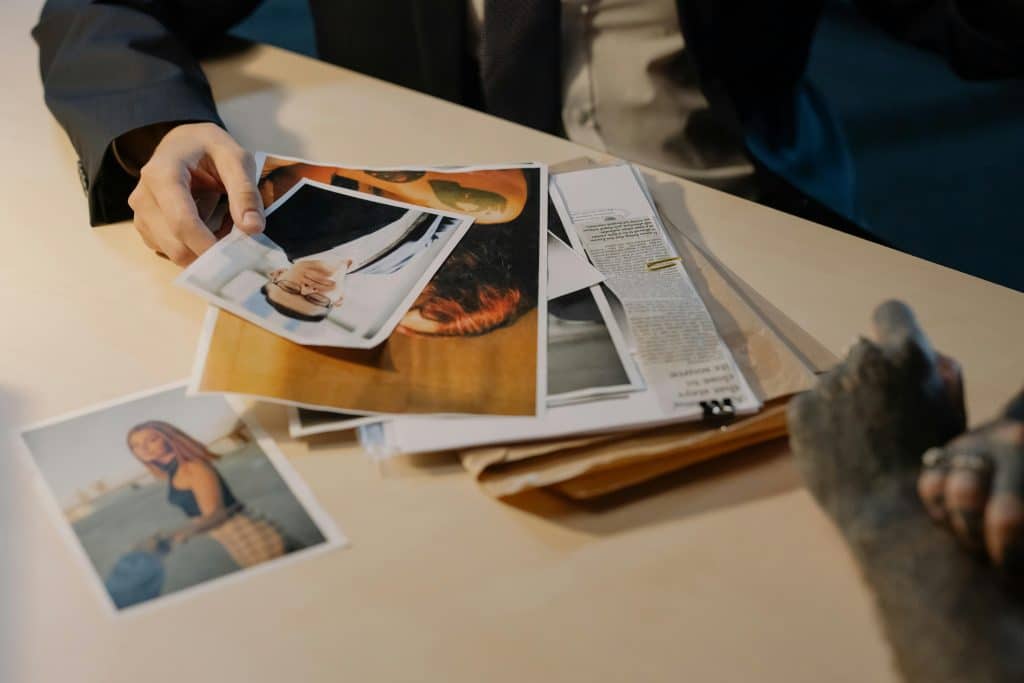
In personal injury and criminal cases, both what really happened and what can be proven matter. The legal system requires documentation, records, verifiable facts, and more, no matter what kind of case someone fights. So, a serious car accident or a case with criminal charges takes equal effort. Cities like Dallas and Irving see a good volume of both civil and criminal court activity each year. Here, how evidence is handled from day one often determines whether a case succeeds. Skilled attorneys know that the time for gathering reliable evidence is limited. That’s why getting a law firm involved early is not just advisable, but crucial.
This urgency is exactly why working with a qualified Texas personal injury and criminal defense law firm makes a lot of difference from the very start. Studies show that claimants who secure legal representation early are in a much better position to recover full compensation. In fact, personal injury cases without properly preserved evidence can stall. Sometimes, that may cause victims to settle for a lot less than they deserve. In some cases, they just collapse mid-way. The statute of limitations also adds real pressure, as the legal timeframe to file a claim can close within a few years, depending on the circumstances. Attorneys who handle both personal injury and criminal defense bring a unique understanding of how evidence works on both sides of the courtroom. This insight helps them confidently handle every step as they build the cases.
Why Timing Is Everything
Once an incident occurs, the clock starts. So, the following must be kept in mind:
- Physical evidence at a scene quickly loses value.
- Witnesses become harder to reach.
- Surveillance footage can be overwritten.
One of the first things an experienced law firm does is send a spoliation letter to any party that they think might be holding relevant materials. This legal notice helps preserve whatever exists. Such evidence might include:
- Dashcam footage
- Maintenance records
- Business surveillance
Ignoring a spoliation notice has real legal consequences, so attorneys have a useful tool to work with early in the process.
What Evidence Looks Like
Evidence is almost never just a document or photograph. It is built using multiple sources. Here’s what a law firm typically works to secure:
- Accident Scene Information: Photos, road conditions, skid marks, weather data, physical markers, etc. (they tell judges and juries what happened)
- Medical Records: Emergency care reports, diagnosis notes, treatment timelines, and follow-up records (they help explain the nature and cause of injuries)
- Surveillance and Dashcam Footage: Videos from nearby businesses, traffic cameras, and personal devices taken when the incident happened
- Police and Incident Reports: Officer observations, initial findings, witness contact details, etc. (they help check people’s stories)
- Expert Witness: Testimony from accident reconstructionists, medical professionals, forensic specialists, or other experts (it helps explain complex findings to judges or juries)
- Electronic Data: In commercial truck crashes, black box data recording speed, braking patterns, and driver behavior can be critical
On the criminal defense side, the process shifts. Defense attorneys review the prosecution’s evidence for the following:
- Inconsistencies
- Procedural errors
- Gaps in the chain of custody
For example, evidence obtained through an unlawful search can be excluded from trial through a suppression motion.
What the Law Firm Does Step by Step
After a client is retained, the firm moves quickly to assign investigators and coordinate record requests. Here’s what they do:
- Attorneys interview the client in depth.
- They identify every potential evidence source.
- They begin reaching out to hospitals, employers, insurers, and government agencies for relevant documentation.
In personal injury cases, proving both liability and the extent of damages is necessary since weaknesses in either area can significantly reduce what a client recovers. In criminal defense, the firm builds a parallel timeline and challenges the evidence the prosecution plans to use.
What Clients Can Do to Help Their Own Case
A law firm works with what exists, which makes a client’s own actions in the immediate aftermath genuinely important:
- Stay at the scene if it is safe; don’t disturb physical evidence.
- Photograph everything before anything is moved, cleaned, or towed.
- Write a detailed account of the events as soon as possible, while the memory is fresh.
- Collect names and contact information from any witnesses present.
- Avoid discussing the incident on social media, as public statements can be used during litigation.
- Seek medical attention immediately, even when injuries appear minor at first.
The documentation clients gather in those early hours often becomes some of the most useful material attorneys have to work with.
Why It All Comes Back to Evidence
Thorough, well-preserved evidence produces better outcomes. In personal injury cases, it means stronger leverage and higher settlement offers. In criminal defense, it creates clearer grounds for reducing or dismissing charges. Firms that handle both practice areas understand how to build a case and how to pick one apart, and that dual capability is a real advantage when the stakes are high.