

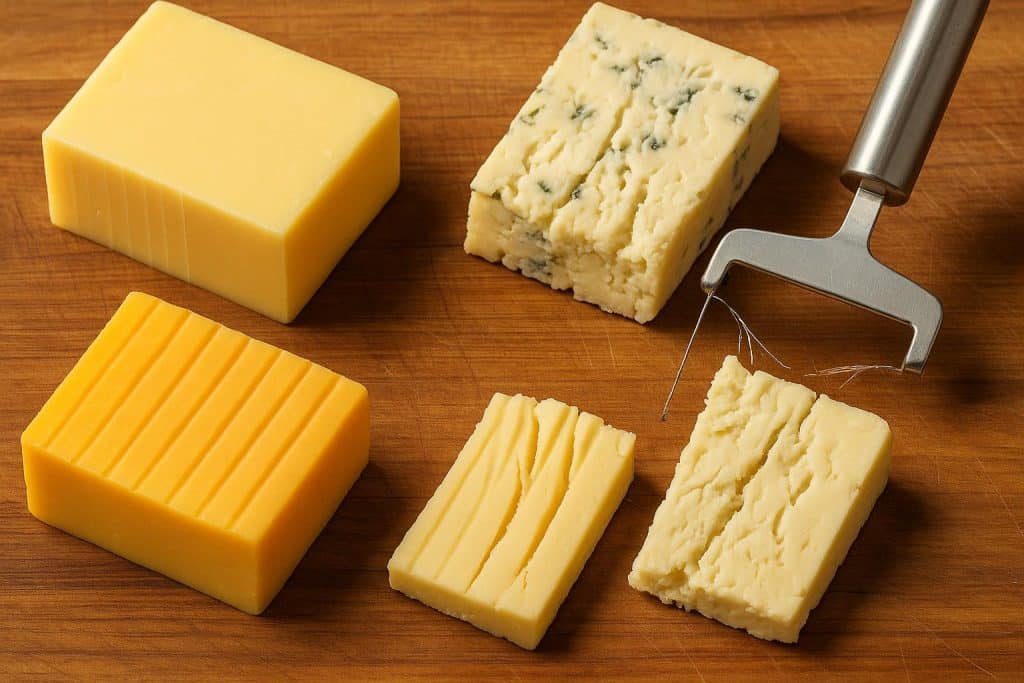
Every good slice starts with a clean cut. Soft brie, sharp cheddar, crumbly aged varieties—they all respond differently under the blade, but they share one thing in common. The wire doing the cutting has to be in solid shape. Most people never think about that thin piece of metal until slices start looking rough, edges crumble, or portions come out uneven. By that point, the wire has been struggling for a while.
How Wire Condition Affects Slice Quality
A fresh wire passes through cheese almost effortlessly. It parts the paste without dragging, leaving behind a smooth, even surface. That changes once wear sets in. A degraded wire creates friction, which pulls at the structure rather than separating it cleanly.
Softer varieties get compressed or smeared. Harder ones crack in unpredictable places. Swapping in a new cheese slicer wire brings back that smooth, resistance-free motion and keeps each portion intact. It also cuts down on waste, since clean separations leave fewer crumbled bits scattered across the cutting board.
Signs That a Wire Needs Replacing
Wires rarely snap without warning. The decline is usually slow, which makes it easy to ignore until the results become hard to overlook.
Visible Fraying or Kinks
Tiny strands peeling away from the main line are the most obvious red flag. Kinks throw off the balance of tension, producing wavy, lopsided slices. Once fraying starts, the wire can no longer hold a straight path through a dense block.
Increased Cutting Resistance
A good wire requires almost no downward pressure. If each pass feels more like sawing, that extra friction is shredding the product instead of slicing it. Forcing the cut also strains the tool’s frame, shortening its useful life.
Sticky Residue Buildup
Clean wires shed fat and protein easily after each pass. Roughened surfaces, on the other hand, trap residue in tiny grooves. That buildup adds drag to every following cut, making texture problems worse over time.
Why Texture Matters More Than Most People Realize
Visual appeal comes first at any cheese board, deli counter, or tasting event. Guests register ragged, uneven slices before they even pick one up. Beyond looks, surface quality also shapes how flavor hits the palate. Food science research has shown that smooth cuts release aromas and taste compounds differently than rough, torn ones.
A neatly sliced piece melts more evenly, sits better on a cracker, and feels more pleasant in the mouth. Jagged edges dry out faster as well, since a greater exposed surface area speeds up moisture loss. For anyone presenting or selling artisan varieties, these details carry real commercial weight.
Matching Wire Type to Cheese Style
Not all wires perform the same across different varieties. A thin, high-tension wire handles semi-hard options like gruyère or manchego with precision. Thicker alternatives work better for crumbly aged types that need gentle separation rather than a sharp cut.
Coated wires resist corrosion and reduce sticking during extended sessions. Stainless steel remains the go-to material for everyday use because it balances strength with enough give to handle a range of textures. Selecting the right gauge and coating prevents premature breakdown and ensures reliable results across large batches.
Maintenance Habits That Extend Wire Life
A quick wipe after each session removes protein and fat residue before it has a chance to harden. A soft cloth dampened with warm water works well on this. Avoid abrasive scrubbers; they scratch the surface and speed up fraying.
Storage deserves attention, too. Tossing a cutter loose in a drawer where other utensils press against the wire creates dents and weak spots. Hanging the tool or keeping it in a protective sleeve preserves even tension along the full length. A brief weekly inspection (especially under heavy use) catches early wear before it starts affecting each slice.
Conclusion
A deteriorating wire might seem like a small thing, but it shows up in every single cut. Frayed, kinked, or corroded lines turn what should be smooth, appealing portions into rough, uneven fragments. Keeping this one component in good condition protects both presentation and flavor. Regular checks, gentle cleaning, and timely replacement are straightforward habits that pay off quickly. Quality cheese calls for a quality cut, and that starts with a wire still capable of delivering one.