

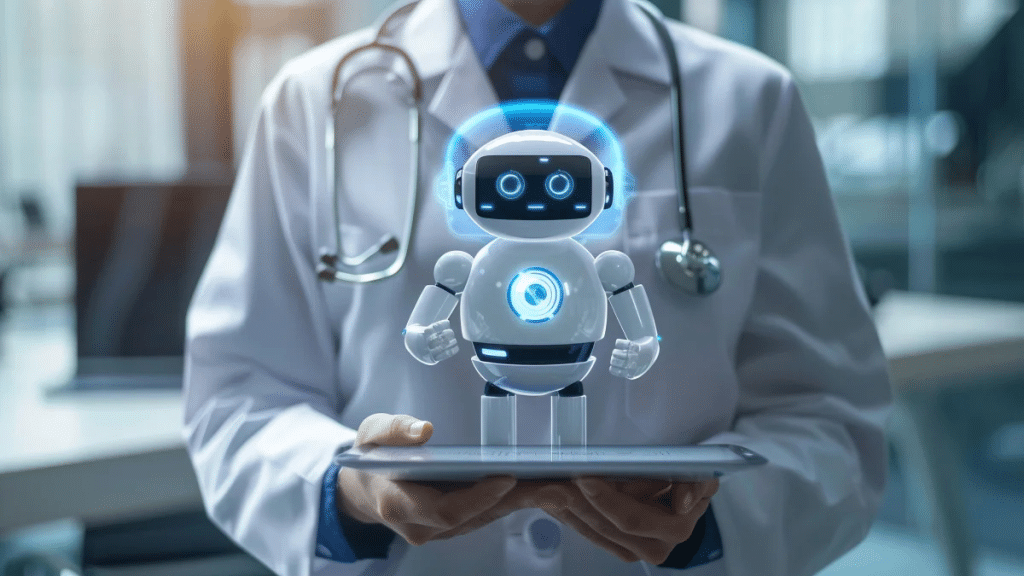
Technology is changing the way we receive medical care. From smartwatches tracking heart rates to telehealth replacing waiting rooms, innovation is everywhere. But one tool stands out in the world of modern healthcare: the medical AI chatbot.
These digital assistants aren’t just answering basic questions. They’re helping patients understand symptoms, schedule appointments, and even manage chronic conditions. More importantly, they’re giving overworked medical staff the breathing room they desperately need.
Chatbots: From Novelty to Necessity
Just a few years ago, AI chatbots felt like a fun experiment. They could handle simple requests—like reminding you to take your medicine. Today, they’re much smarter. Thanks to machine learning and natural language processing, AI can now mimic human conversations with surprising accuracy.
Hospitals and clinics use them to triage patients. When someone types in their symptoms, the chatbot evaluates the situation and provides guidance. If it’s serious, it directs them to a doctor. If not, it offers at-home care suggestions. This system keeps emergency rooms free for real emergencies and helps patients avoid unnecessary visits.
Always On, Always Ready
Healthcare doesn’t stick to a 9-to-5 schedule. That’s where AI chatbots shine. They’re available 24/7, responding to questions in real time. When someone’s worried about chest pain at midnight or has a medication question during lunch, the chatbot is there. This round-the-clock availability builds trust. Patients know they can reach out anytime. That constant connection reduces anxiety and improves overall satisfaction with care.
Personalized Guidance at Scale
AI chatbots don’t just repeat canned responses. They learn from each interaction. That means the more patients they help, the better they get.
Let’s say someone with diabetes checks in. The chatbot can provide tailored advice based on their condition. It might suggest blood sugar-friendly meal plans or remind them to track their insulin levels. And because it’s powered by data, it can do this for thousands of patients at once.
Protecting Patient Privacy
With so much data flowing through these systems, privacy is a big concern. That’s where clinical data anonymization comes in. This process removes or masks personal details from patient records. It ensures sensitive information stays private—even as chatbots use the data to improve their services. Healthcare providers must follow strict regulations like HIPAA. But thanks to anonymization, they can balance patient privacy with innovation. It’s a win-win.
Supporting Doctors, Not Replacing Them
There’s a common fear that AI will replace doctors. But chatbots aren’t here to take over—they’re here to help. Doctors already spend a lot of time doing paperwork and answering routine questions. AI chatbots take that load off their shoulders. That frees up time for what really matters: treating patients.
Some systems even integrate with electronic health records. When a chatbot helps a patient, it logs the interaction for the doctor to review. This improves continuity of care and keeps everyone on the same page.
The Future of Patient Engagement
As technology keeps evolving, so will chatbots. Future versions might detect emotion in a patient’s voice. Others could work with wearable devices to alert doctors about early warning signs.
What’s clear is that AI chatbots are no longer optional—they’re essential. They improve access, boost efficiency, and make the patient experience better all around. In a world where healthcare needs are growing fast, AI is stepping up. And with tools like the AI chatbot, we’re not just keeping up—we’re getting ahead.