


Unplanned downtime eats profit margins faster than almost any other operational issue on the factory floor. When an automated line stops unexpectedly, you aren’t just losing the output for that hour. You have operators standing around waiting, downstream processes starved for parts, and maintenance teams scrambling to find the root cause under intense pressure.
The rush to get things running again often leads to temporary fixes that become permanent liabilities. A bypassed sensor here, a zip tie holding a broken bracket there, and suddenly your high speed automated cell is operating on borrowed time.
In most facilities, the solution to chronic downtime isn’t a massive overhaul of the programmable logic controllers or swapping out heavy machinery. The true culprit is usually something physical and entirely overlooked. It is a worn sensor wire, a connector that vibrated loose, or a pneumatic line that got pinched by a safety door. If you want to keep your cells running smoothly and hit your production numbers, you need to look closely at the physical connections that hold the automation together.
Stop Ignoring Flex Life and Bend Radii
A significant amount of downtime happens because plant engineers grab off the shelf cables for high flex applications. A six axis robotic arm moves constantly. The cables running along it are bending, twisting, and rubbing thousands of times per shift. Standard static cables simply cannot survive this environment. They will corkscrew, the outer jacketing will split, and eventually the copper conductors inside will snap.
When you set up a new automated cell or upgrade an existing one, you need components designed specifically for continuous motion. Working with a dedicated robotics cable assembly manufacturer ensures the materials used can actually handle the mechanical stress of your specific operation. These suppliers use specialized jacketing like polyurethane and finely stranded copper that survives millions of flex cycles without breaking down.
The upfront cost of continuous flex cables is higher than standard commercial wiring. Replacing a broken cable in the middle of a hot production run costs substantially more in lost productivity. You also have to consider the factory environment:
- If your machines are exposed to cutting fluids, weld slag, or extreme temperatures, the jacketing material needs to resist those specific hazards to prevent premature degradation.
Leave Room for Airflow and Movement
Cable tracks and conduits get crowded over time. As lines are upgraded and new sensors are added, it is tempting to pack as many control and power lines into a single drag chain as physically possible just to save space. That is a reliable recipe for overheating and jacket abrasion.
When cables rub against each other constantly inside a tight conduit, the insulation wears thin. This creates intermittent shorts that are incredibly frustrating for maintenance technicians to track down. To avoid this entirely, you need to calculate physical space correctly before pulling anything new. Always reference a standard wire fill chart before running lines through any new conduit or cable carrier.
The National Electrical Code has specific requirements regarding conduit fill for a reason. Staying below the maximum fill percentage prevents dangerous thermal buildup in power lines. Just as importantly for automation, it gives the cables the physical room they need to move without binding up against one another. If your overhead tray looks packed tight, you are already setting the stage for an unexpected outage.
Standardize the Messy Connections
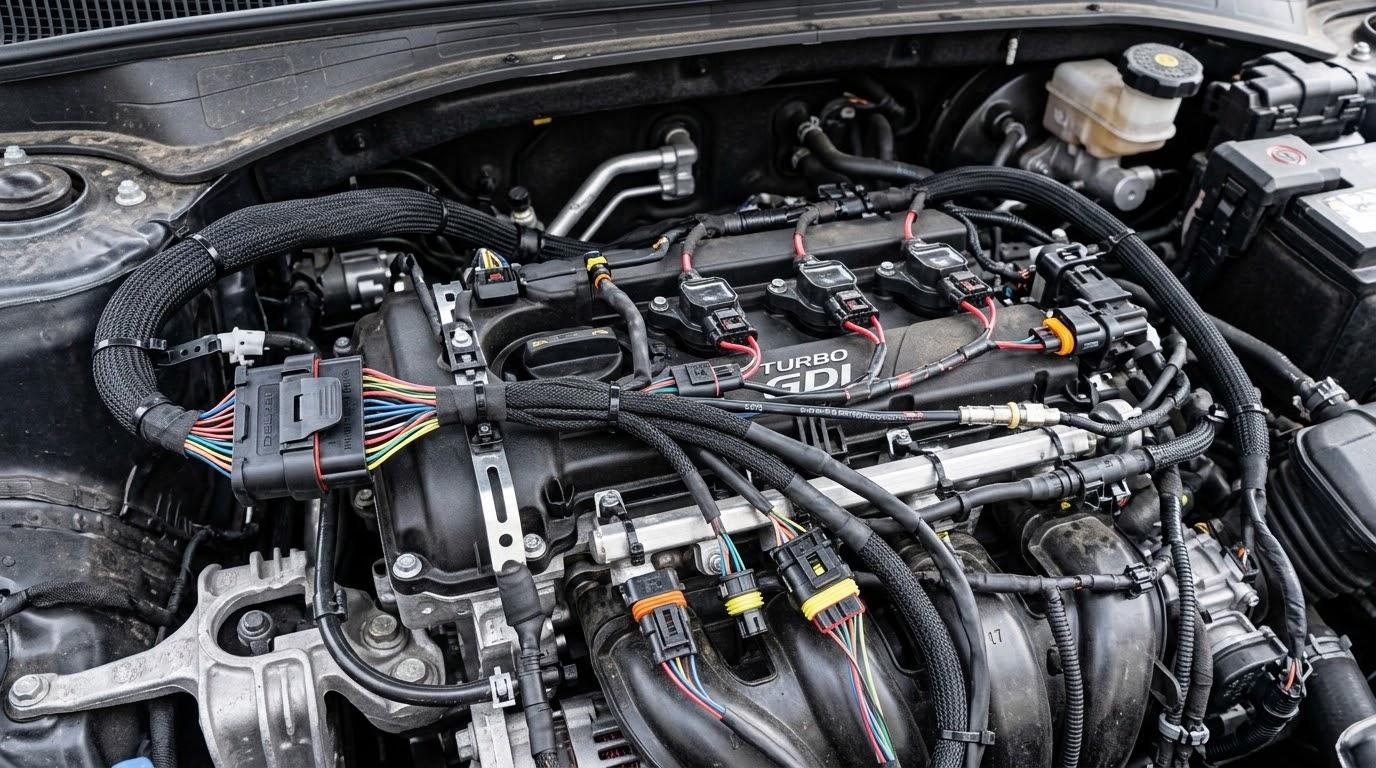
Every machine builder has their own preferred way of routing power and logic. When you have equipment from five different vendors on the same floor, maintaining replacement parts becomes a nightmare. If a critical connector gets crushed by a forklift, your maintenance team might spend hours just trying to pin out the replacement correctly with a multimeter and a faded schematic.
You can bypass a lot of this headache by upgrading problematic connection points before they fail. Having a Custom Wire Harness built for your specific trouble spots means your technicians can execute a simple plug and play repair when something goes wrong. Instead of dealing with terminal blocks and loose wires in a cramped enclosure, they swap a single multi pin connector and turn the machine back on.
This approach takes a complicated repair down from a few hours to just a few minutes. It also eliminates the risk of a technician wiring something backward under pressure, which can fry expensive control boards and extend the downtime even further.
Shift to Reality Based Maintenance Schedules
Time based preventative maintenance is better than nothing, but it is rarely the most efficient way to run a modern plant. Changing out components simply because six months have passed means you are throwing away perfectly good parts. Waiting until they break means you are losing production time.
Cycle-Based Data
Pay attention to the actual operating cycles. Automated systems track exactly how many operations they perform. Use that data to drive your maintenance program. If a specific pneumatic valve or sensor cable reliably fails around the four million cycle mark, schedule the replacement at three and a half million cycles. You swap the part during a planned tooling changeover instead of in the middle of a critical order.
Visual Inspections
Visual inspections still hold immense value. Have your operators look at the physical condition of the lines at the start of their shift. Teach them what abnormal wear looks like. They will usually spot a sagging conduit, a leaking fitting, or a frayed jacket long before it causes a hard stop. Empowering operators to flag these minor physical issues keeps small problems from becoming catastrophic failures.
Audit Your Spare Parts Inventory
You don’t need a backup for every single component on the floor. You just need the ones with long lead times that can shut down the whole process. Go through your critical spares inventory this quarter. You probably have dust covered parts for machines you decommissioned five years ago taking up valuable shelf space. Meanwhile, the proprietary servo motor for your newest packaging line is nowhere to be found. Get rid of the dead stock and use that tied up budget to stock the high risk items.
Supply chains remain unpredictable. If a specialized sensor has a twelve week lead time, you need one sitting on your shelf today. Talk to your key vendors about consignment inventory for the expensive components. Many suppliers will keep critical spares at your facility and only charge you when you actually pull them from the cage. This keeps your capital free while ensuring you have exactly what you need when a machine goes down.
Train for Proper Installation
The best components in the world will fail if they are installed poorly. Maintenance technicians often overtighten zip ties on flex cables. This pinches the jacket and restricts the natural movement of the wire, forcing it to bend at a sharp angle right at the tie point. That specific spot will fail within weeks.
Use hook and loop straps or properly sized cable clamps instead. Ensure that cables entering a moving track have the correct strain relief at both ends. The cables need to lay flat and untwisted inside the carrier to distribute the mechanical load evenly. Taking an extra ten minutes to route a line correctly saves hours of troubleshooting later. Focus on the physical foundation of your automated cells, because when the wiring and routing are solid, the equipment runs the way it was designed to run.