

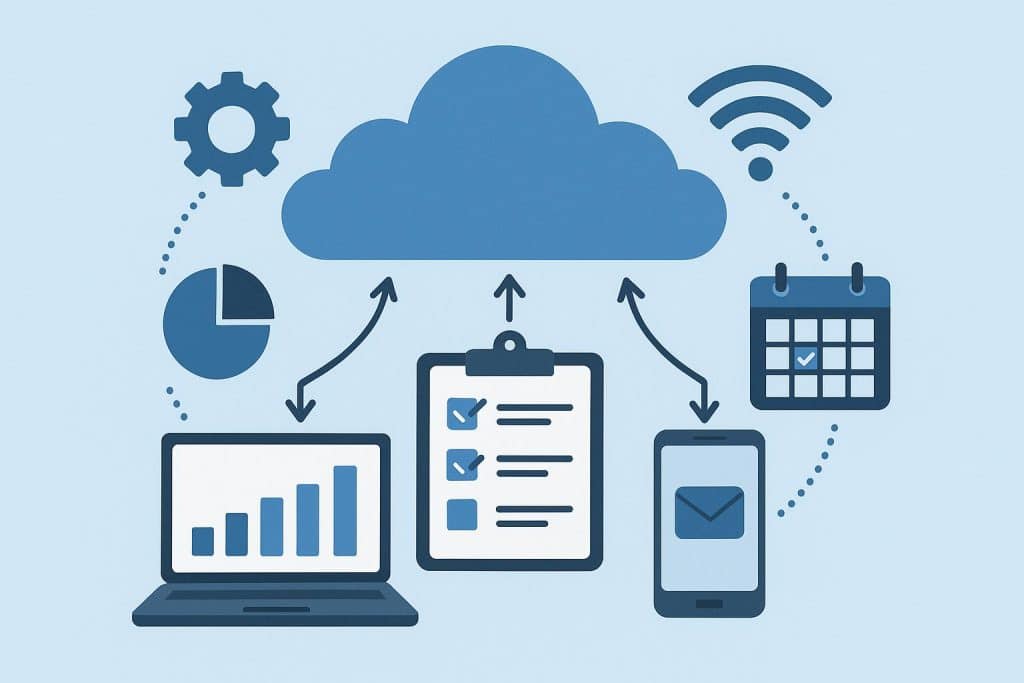
In the world of modern employment, it all depends on remote work and flexibility today. Organizations require solutions that are collaborative, efficient, and secure. Cloud unified tools combine communication, productivity, and management tools into a single platform to address these needs. They are getting more and more vital in aiding the workforce today, and thus become critical in enabling organizations to stay on top of competitive differentiation while being plugged in.
Centralized Communication Channels
Collaboration thrives on clear communication. Consolidated cloud-based tools provide messaging, video calls, and file sharing in a single place. All these resources enable staff to find colleagues, communicate, and speak about projects, all without needing to navigate multiple applications. The system prioritizes reducing delays, encouraging prompt decision-making, and ensuring everyone is in agreement. Implementing cloud-based unified communications services helps modern workforces collaborate seamlessly across devices and locations.
Enhanced Collaboration and Teamwork
Collaboration on a project no longer requires physical proximity. Cloud-based solutions allow team members to edit documents simultaneously, track changes in real time, and assign tasks with ease. The updates are instant, so there is no confusion about the version. This collaboration enables teams to work from anywhere and at any time without missing a beat.
Remote Access and Flexibility
Modern professionals value the freedom to work from any setting. Cloud-unified tools grant access to essential files, calendars, and communications from laptops, tablets, or smartphones. Whether employees work at home, in the office, or while traveling, all resources remain at their fingertips. This flexibility leads to a better balance between work and personal life.
Streamlined Task and Project Management
Digital management software helps you keep track of things more efficiently. Dashboards, reminders, and milestones come naturally to cloud platforms. You can initiate assignments, set deadlines, and track milestones without the constant follow-ups typically required in a manager's role. Team members receive real-time notifications about upcoming responsibilities, which helps them stay accountable and complete work ahead of schedule.
Enhanced Security Features
One of the most important problems of companies is the protection of data. Cloud unification tools usually have state-of-the-art security measures like encryption and multi-factor authentication. This purpose safeguards sensitive information against abuse. Staff feel safe, as it is regularly updated and patched, and essential documents can be safely shared and stored.
Scalability and Cost Efficiency
The needs of a company evolve as it grows. Cloud-based tools adapt to a company's growth, enabling you to add new users or increase storage without incurring costly updates. Typically, these tools charge a subscription-based pricing model, where firms pay primarily based on their usage. That lets you control the expenses and take advantage of the most recent developments in technology.
Integration With Other Applications
This work now involves a whole bunch of professional applications. The majority of cloud unified platforms align with project management, customer relationship management, and accounting applications. This system reduces redundancy and consolidates information to avoid the time workers spend on endless data entry by integrating with existing work applications under one roof.
Improved Onboarding and Training
It seems that digital resources really bring focus to the onboarding, allowing new staff to consult curated programs and materials to acclimatize to processes and culture. The cloud-unified tools also include training modules, company policy, and support materials as required from a single source. New hires can work at their own pace and ask mentors or managers for help. This reduces the lead time for the transition and facilitates faster productivity.
Support for a Diverse Workforce
Global teams bring diverse perspectives and skills. Cloud-based platforms support communication across different languages, regions, and time zones. Built-in translation features and customizable settings help bridge cultural or logistical gaps. By connecting colleagues worldwide, these tools help create an inclusive environment where everyone’s contributions matter.
Conclusion
Cloud-unified tools have transformed how professionals interact, share knowledge, and achieve business goals. Their ability to centralize communication, support flexibility, and enhance security makes them indispensable for modern organizations. As remote and hybrid work styles continue to influence business structures, the value of these platforms will increase. Companies embracing cloud unified solutions position themselves for stronger collaboration, improved productivity, and long-term success.