

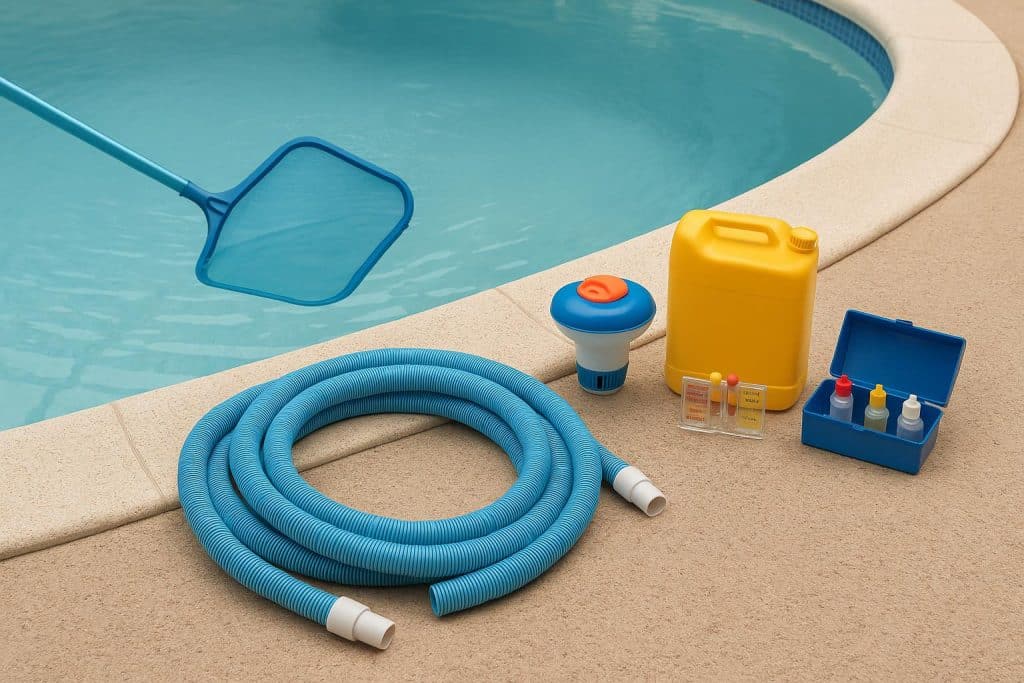
Owning a swimming pool often begins with excitement, but long-term enjoyment depends on how well it is maintained over time. Beyond visual appeal, a pool is a system that relies on balance, circulation, and routine oversight to function properly. Pool service plays a critical role in helping owners protect that investment while avoiding common issues that arise from neglect or inconsistent care. Instead of reacting to visible problems, structured service focuses on prevention, consistency, and gradual adjustments. Understanding how pool service contributes to long-term ownership helps explain why regular attention matters well beyond installation.
Long-term pool care explained
Routine Oversight and Ownership Responsibility
Long-term pool ownership involves more than occasional cleaning or chemical adjustments. Pools operate as dynamic environments influenced by weather, usage patterns, and surrounding conditions. Routine pool service provides consistent oversight, supporting stability across these variables. Service visits enable ongoing assessment of water quality, equipment performance, and surface integrity. Rather than relying on memory or guesswork, owners benefit from a predictable care schedule that keeps small concerns from escalating. This routine oversight helps owners meet their responsibilities without constant monitoring. Over time, consistent service creates a rhythm that aligns pool condition with seasonal changes and usage demands, making ownership feel manageable rather than overwhelming.
Equipment Care and System Longevity
Pool equipment represents a significant portion of ownership cost, and its longevity depends heavily on maintenance habits. Pumps, filters, heaters, and valves operate under normal operating conditions and require periodic maintenance to remain reliable. Pool service includes inspecting these components, identifying early wear, and ensuring proper operation. Small issues such as restricted flow or pressure imbalance can gradually reduce efficiency if left unaddressed. Many owners rely on scheduled care like Pool Service from https://nassaupoolsandspas.com/in-ground-pools/ to help keep systems operating smoothly. By supporting equipment health through routine service, owners reduce the likelihood of unexpected failures and extend the usable life of critical components.
Adapting Care as Pools Age
As pools age, their needs change. Materials settle, equipment efficiency shifts, and environmental exposure accumulate over time. Pool service adapts to these changes by adjusting care strategies rather than applying the same approach year after year. Older pools may require closer attention to surfaces, seals, or circulation patterns. Service routines evolve to reflect these realities, helping owners maintain usability without major disruptions. This adaptability supports a smoother ownership experience by addressing aging-related concerns early. Rather than waiting for visible deterioration, service allows gradual adjustments that preserve function and appearance over time.
Water Balance as a Long-Term Safeguard
Maintaining balanced water chemistry is not only about immediate comfort but also about long-term protection. Imbalanced water can gradually affect pool surfaces, plumbing, and equipment, even if problems are not immediately visible. Pool service emphasizes consistent chemical monitoring to prevent slow damage caused by corrosion or scaling. Over months and years, this steady balance helps protect finishes and internal components. Water balance becomes a safeguard that quietly preserves the pool’s structure and appearance. When maintained consistently, it reduces the need for corrective treatments and supports a more predictable ownership experience.
A Short Look at Ownership Confidence
Confidence is an often-overlooked aspect of pool ownership. Knowing that a pool is being monitored and cared for regularly reduces uncertainty and stress. Owners feel more comfortable inviting guests, planning use, and relying on their pool without constant concern. This confidence grows when service follows a consistent and transparent routine. Over time, confidence becomes part of the ownership experience, allowing enjoyment to take priority over maintenance worries.
Service Records and Informed Decisions
Long-term ownership benefits from documentation that tracks pool condition and service history. Records of maintenance visits, chemical readings, and equipment observations help identify trends over time. This information supports informed decisions about repairs, upgrades, or changes in care approach. A pool service that includes recordkeeping allows owners to anticipate needs rather than respond to surprises. Documentation also helps clarify the pool’s condition when planning renovations or equipment replacements. By maintaining a clear history, owners gain insight into how their pool has evolved and what steps support continued reliability.
Pool service plays a meaningful role in shaping the long-term experience of pool ownership. Through routine oversight, equipment care, adaptable strategies, and consistent water balance, service helps pools remain functional and enjoyable over time. Rather than addressing problems only when they become visible, structured care supports prevention and gradual adjustment. This approach reduces stress and protects the investment owners make in their pools. When pool service is viewed as an ongoing partnership rather than a task, ownership becomes more predictable, confident, and rewarding year after year.