

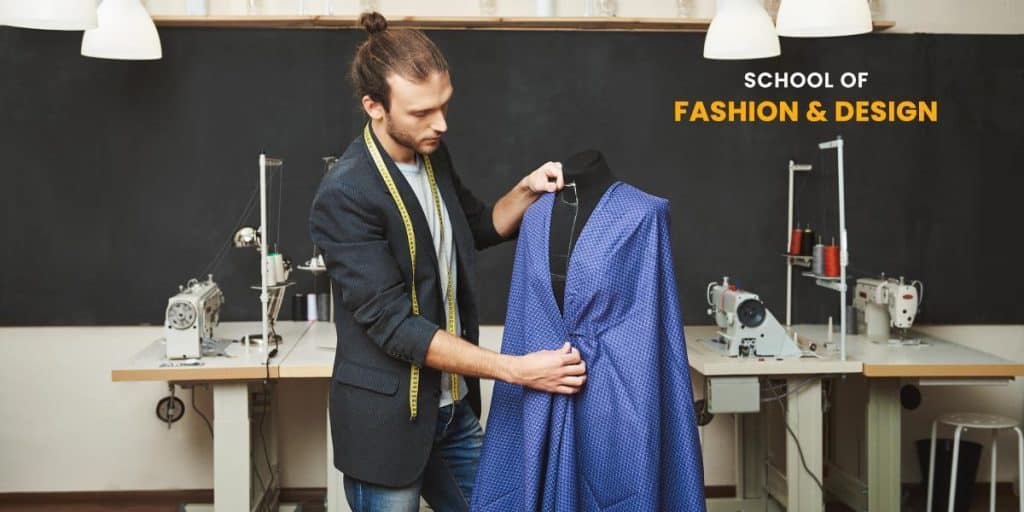
The fashion industry is a highly competitive and dynamic industry in the world. Future designers and fashion industry players do not only need creativity, but they need a blend of technical abilities, industry experiences as well as international outlooks in order to thrive. Special programs in fashion and design are designed to close the divide between talent and professional qualification to prepare the students with the instruments that they require to succeed at a global scale.
Preparing Global-Ready Designers: The Impact of Fashion and Design Courses
Knowing Fashion and Design Education
Fashion and design classes are fully-fledged courses, which incorporate artistic creativity and technical skills, as well as commercial wisdom. Some of the key skills that are taught to students include how to make garments, textiles, fashion drawing, color theory, and design concepts.
Along with creative factors, such programs may include fashion marketing, merchandising, branding, and retail administration. This mix will see the graduates equipped to work in the complex environment of the global fashion industry that demands creativity in design and commercial knowledge.
Learning Technical Skills
The acquisition of hands-on technical skills is among the greatest benefits of the BSc in fashion and design. The students have experience in making garments, pattern making, and fashion illustration. They are also taught to utilise computer-aided design (CAD), textile simulation and digital portfolio development.
Lab and workshop sessions enable the students to put their conceptual ideas to the finished designs. Knowledge of fabric, garment fittings, and tailoring techniques will see that graduates are in a position to meet industry requirements in addition to industry expectations, be it in the couture houses, retail brands or fashion studios.
Exposure to Global Trends
Fashion is universal and it is important to know the trends around the world. Fashion and design courses usually have global fashion and seasonal collections, and cultural influences.
The students are taught how to see trends, change designs to fit different markets, and the tastes of different groups of people. International experience with fashion weeks, case studies of the world-known brands, and an overview of the trend forecasting methods provide graduates with the knowledge of working in the multinational fashion houses or starting their own brands that will be global-ready.
Developing and Presenting a Portfolio
Having a powerful portfolio is one of the success factors in the fashion industry. During their coursework, the students are urged to develop and polish a portfolio that will showcase their talents, creativity and design philosophy.
Fashion shows, exhibitions, competitions, and collaborative projects are some of the opportunities of how students get to present their work to the outside world. An extensive portfolio, that is well-edited, is a sign of technical skill; but also a statement of a creative personality of the student, which is a primary requirement to win clients, employers, or admissions to an international design program.
Industry Co-operation and Internships
Experience is the key to adjustment in the classroom to the professional environment. A lot of fashion and design programs work with well-known brands, studios and designers and offer students internships and practical projects.
Through these experiences, the students are able to get to know about the production process, what the clients want and how the business of fashion works. Networking, mentorship and exposure to global practices in the industry is also procured in internships which are essential in creating a successful career in the fashion industry.
The Business of Fashion
The fashion professionals in the world should not be limited to design but also possess knowledge on commercial issues of the business. Fashion and design programs will provide the student with the knowledge of marketing strategies, branding, supply chain management, retail operation, and e-commerce.
This interdisciplinary approach will see graduates deliver to both the creative and business activities in fashion organizations. To exception, a designer with knowledge of branding and merchandising may come up with collections that are not only appealing to the vision but also to the commerce.
Developing Innovative and Professional Self-confidence
Fashion and design schools are aimed at developing the levels of creativity and professionalism. Students are also urged to explore new textile methods, innovative ideas and the modern design trends.
Simultaneously, they gain project management skills, teamwork, and client communication skills. The equilibrium between creativity and professionalism equips students with the leadership positions, the cooperation within the studio setting and starting up their own businesses in the international fashion market.
Planning Global Opportunities
Fashion and design graduates are also becoming more marketable by the international fashion houses, luxury brands, retail chains, and online shopping platforms. Technical skills combined with business and practical experience will prepare scholars to assume positions like:
- Fashion Designer
- Textile Designer
- Fashion Illustrator
- Merchandiser
- Stylist
- Visual Merchandiser
- Fashion Marketing Executive.
- Creative Director
Such diversity of opportunities guarantees the ability of students to follow careers that are associated with their skills and interests to compete effectively in the global market.
Summary: Start Your Global Fashion Career.
Fashion and design courses are not just educational programs but career takeoffs since they equip students with information that they can use to excel in a rapidly changing world business market. Having a balance of talents, technical expertise, business knowledge, and real life exposure, students can be able to sail through the global fashion trends, work with leading brands, and even start their own fashion business.
To those who want to design in the industry with industry-oriented training and chances to create a professional portfolio, AAFT Noida offers an all-inclusive course in fashion and design that will equip students in a national or international career.
FAQs
1. What are the skills taught in fashion and design courses?
They also impart creativity, including drawing, making of clothes and textile design and technical skills including CAD designing, digital portfolios, and knowledge of fashion software.
2. Do these courses include internships?
Yes, the majority of programs involve internships and partner projects with brands and studios to give practical experience.
3. Will fashion and design education equip learners to work in the world?
Absolutely. Students are trained in modules on international trends, cultural influences, and business practices, which makes them ready to work in any part of the world.
4. What are the possibilities of employment of graduates in the fashion industry?
Graduates may be employed as fashion designers, textile designers, stylists, visual merchandisers, fashion marketers, or even creative directors.
5. What is the significance of a portfolio to a fashion student?
A great portfolio is central because it demonstrates the technical skills, creativity, and personal style of designing, which is vital in attracting an employer.