

An Overview of Fiberglass Panels in Modern Construction
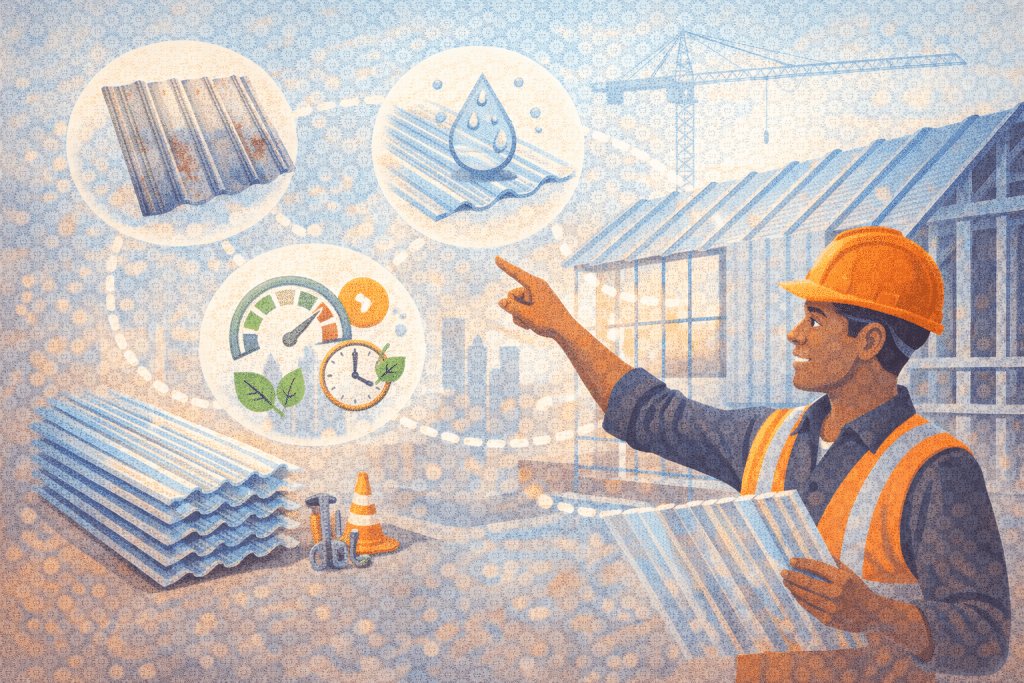
Fiberglass panels are advanced composite materials created by combining plastic resin with reinforced glass fibers. This construction produces panels that are both lightweight and remarkably strong. Unlike many traditional building materials, fiberglass is resistant to rot, rust, and warping, making it highly reliable in diverse construction environments. These qualities have made fiberglass panels a popular choice for industrial facilities, commercial properties, agricultural buildings, and architectural projects where durability and long-term performance are critical.
Built for Strength and Long-Term Reliability
Durability is one of the most notable benefits of fiberglass panels. Engineered to endure heavy usage, harsh weather conditions, and mechanical stress, fiberglass maintains its structural integrity over time. In local construction projects, this reliability means fewer repairs and reduced replacement needs. Fiberglass panels resist cracking, impact damage, and material fatigue, making them suitable for both interior and exterior applications while preserving performance and appearance for years.
Exceptional Resistance to Moisture and Corrosion
Moisture and corrosion are major concerns in many construction environments, particularly in coastal, industrial, or high-humidity areas. Traditional materials such as metal and wood are vulnerable to rust and decay when exposed to water or chemicals. Fiberglass panels, however, are non-absorbent and highly resistant to corrosion. They perform exceptionally well in wastewater treatment facilities, food processing plants, industrial buildings, and outdoor structures, extending building life while eliminating the need for protective coatings.
Minimal Maintenance for Reduced Operating Costs
Ongoing maintenance can significantly impact long-term building expenses. Fiberglass panels require very little upkeep compared to conventional materials. They do not need regular painting, sealing, or intensive repairs, and routine cleaning is simple and cost-effective. For local construction projects, this translates into lower operating costs, reduced labor requirements, and minimal disruption—especially valuable for commercial and industrial facilities.
Lightweight Material with Impressive Structural Strength
Despite their strength, fiberglass panels are considerably lighter than materials such as steel or concrete. This reduced weight makes transportation, handling, and installation more efficient on job sites. Lighter materials can also decrease structural load demands, potentially lowering foundation and framing costs. For contractors, this means faster installation timelines, improved safety during handling, and overall construction efficiency.
Versatile Design Options and Lasting Visual Appeal
Fiberglass panels provide architects and designers with exceptional design flexibility. They can be produced in a wide range of colors, finishes, textures, and profiles to meet both functional and aesthetic requirements. From architectural facades to interior wall systems and decorative elements, fiberglass panels adapt easily to creative design goals. Their ability to retain color and appearance over time helps buildings maintain a clean, professional look without frequent cosmetic updates.
Energy Performance and Sustainability Advantages
Energy efficiency plays an increasingly important role in local construction. Fiberglass panels offer solid thermal performance and can contribute to improved insulation when integrated into wall or roofing systems. Their extended lifespan reduces material waste and the environmental impact associated with frequent replacements. Advances in manufacturing processes have also improved the sustainability profile of fiberglass, making it a responsible choice for environmentally conscious construction projects.
Cost-Effective Value Over the Life of the Building
While initial material costs are an important consideration, long-term value often determines the true cost of construction materials. Fiberglass panels deliver strong return on investment through durability, corrosion resistance, and low maintenance requirements. Over time, reduced repair, replacement, and upkeep costs often outweigh the initial purchase price, making fiberglass panels a financially sound solution for a wide range of local construction applications.
Wide-Ranging Uses Across Multiple Construction Sectors
Fiberglass panels are used extensively in industrial, commercial, and architectural projects. In industrial environments, they withstand chemical exposure, moisture, and heavy wear. Commercial buildings benefit from their clean appearance, durability, and low maintenance. In architectural applications, fiberglass panels support creative designs while maintaining structural performance. This versatility makes them suitable for many local construction needs across different industries.
Choosing Stabilit America as a Trusted Fiberglass Supplier
Selecting the right supplier is essential to maximizing material performance. Stabilit America is recognized as a leading supplier of fiberglass panels, offering extensive manufacturing expertise and a strong commitment to quality. Their products are designed to meet strict performance and safety standards across industrial, commercial, and architectural applications.
Stabilit America’s focus on innovation and customer-driven solutions allows them to tailor products to specific project requirements. Builders and contractors benefit from consistent quality, dependable performance, and knowledgeable technical support. This reliability makes Stabilit America a trusted partner for local construction projects seeking long-term success.
Conclusion: A Smart, Forward-Thinking Choice for Local Construction
Fiberglass panels offer a comprehensive set of advantages that address many challenges faced by modern construction projects. With benefits that include durability, corrosion resistance, low maintenance, energy efficiency, and long-term cost savings, they represent a practical and future-focused building material. Their adaptability across industrial, commercial, and architectural applications further reinforces their value as a reliable solution for local construction.