

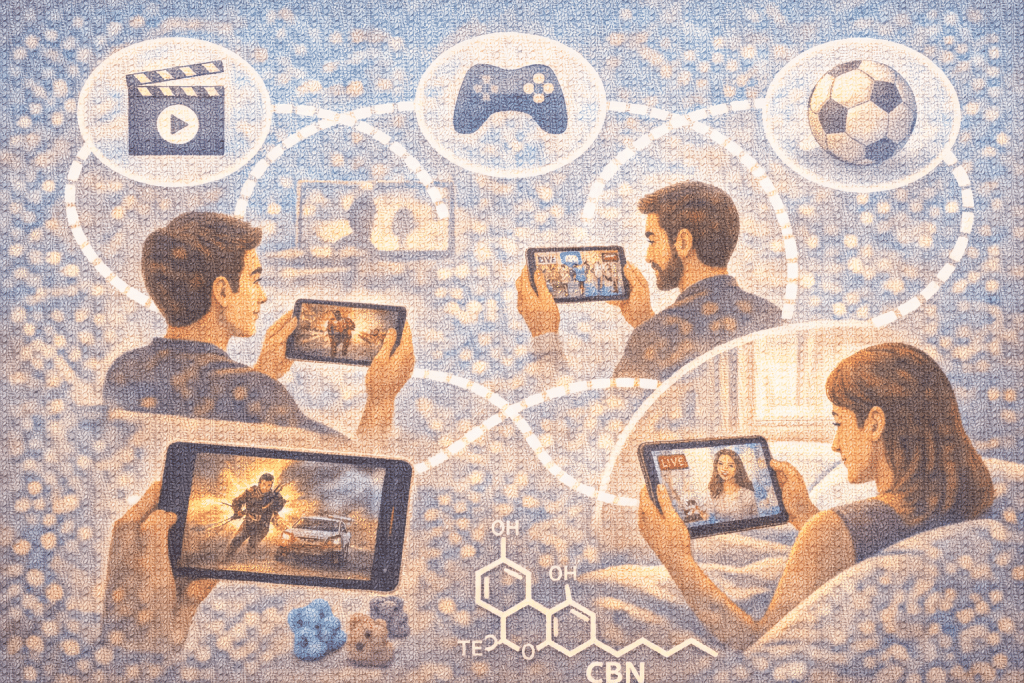
If you glance around a crowded place—a train, an airport lounge, or a waiting room—it’s rare to see someone not looking at their phone. What once required a handful of different gadgets (music players, game consoles, cameras, newspapers, even TVs) now lives in one slim device in your pocket. This shift didn’t happen overnight, but in gradual technological improvements that most of us barely noticed.
From Many Devices to One
Mobile phones have quietly absorbed the role of multiple older entertainment tools. Instead of carrying separate devices for music, games, or videos, people now turn to smartphones for all of these activities. That transformation was powered by faster networks, cheaper data access, more powerful software, and continual hardware upgrades.
What Changed Behind the Scenes
In the past, distributing entertainment meant physical media—DVDs on shelves, cartridges for handheld consoles, boxed PC games. Today, all of that has shifted to digital distribution:
- Streaming services replaced DVDs with subscription access.
- Music moved from CDs to platforms like Spotify and Apple Music.
- Games that once shipped on discs now download instantly or stream from the cloud.
- Updates and new content arrive silently in the background.
This has reshaped both how creators deliver content and how users access it. A film release isn’t bound to physical production; it’s delivered via servers and app stores directly to phones.
Changing Habits, Smaller Screens
Mobile hardware improvements—sharp, high-density screens and processors capable of complex tasks—changed how people spend their free moments. Short-form videos replaced channel surfing. Podcasts became the new commuter radio. Casual games filled small breaks throughout the day.
Today’s mobile entertainment fits the micro-moments of modern life: quick taps, brief interactions, and constantly shifting attention, rather than long sessions tied to a TV or console.
The Engine Behind the Magic
While the phone interface looks simple, a complex infrastructure powers it. Content delivery networks, server clusters, cloud platforms, and app store systems work together to bring content instantly to millions of users.
At the same time, payment systems, regional licensing rules, and content regulations vary from place to place, which means users in different countries may see different catalogs and features. Developers and companies navigate this complicated landscape to offer seamless global experiences.
Entertainment Without Borders
The result of all this change is a global entertainment ecosystem shaped more by software than physical devices. People carry their leisure time in their pockets—supported by infrastructure and services most never think about.
This evolution has reshaped how films are released, how music is sold, how games are played, and how companies plan their business models. And while no one can say exactly what comes next, it’s clear that mobile screens are now firmly at the heart of how we enjoy entertainment.