

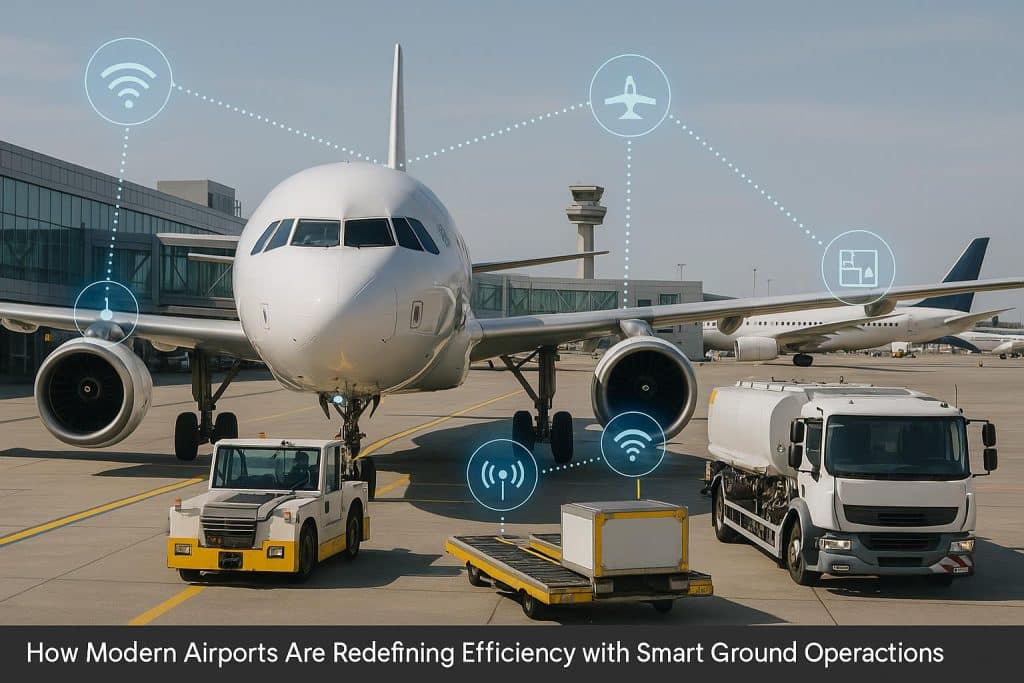
You step onto a tarmac and it hits you all at once. Vehicles everywhere. Bags sliding across carts. Crews moving like they’re late for something. Horns beep. Radios chatter. It’s chaotic, honestly. Every second matters. One small mistake and the schedule can fall apart. It’s stressful if you’re watching it unfold. But airports have found ways to handle it. With EGSE (electric ground support equipment) in place, teams can keep things moving. Fewer mistakes. Less waiting. Planes leave mostly on time. It’s not magic. It’s just smart tools, planning, and people who know their jobs well.
Understanding the Complexity of Airport Operations
Airports are like tiny cities. And on the tarmac, everything happens at once. Luggage handlers, fueling crews, boarding staff, maintenance teams—all in the same small space. One small delay in any area can ripple everywhere.
Even tiny things matter. A tug in the wrong spot. A baggage cart missing when it’s needed. That’s enough to slow a chain of events. Delays pile up quietly. You might not notice them until it’s already too late.
If you’re part of a team on the ground, you see it. You notice every pause, every hesitation. That’s why airports rely on both good planning and reliable tools. Without them, things get messy fast. And trust me, messy in an airport isn’t just inconvenient—it’s expensive.
The Role of Smart Equipment in Streamlining Processes
Equipment can make a huge difference. Electric loaders. Automated tugs. Specialized carts. They take the heavy lifting off your shoulders. Less scrambling. Less confusion. Tasks that once needed five people can sometimes be done with two.
EGSE (electric ground support equipment) helps move luggage and cargo faster. It works consistently, day after day. No surprises. No downtime. You hardly notice it when it’s working. But try operating without it, and you feel it immediately.
It’s not about flashy tech or trying to impress anyone. It’s about solving problems that actually exist. Making sure planes leave on time. Making life a little easier for the people on the ground. And, if you’ve ever worked a tarmac shift, you know every little bit helps.
Improving Coordination and Reducing Delays
Even perfect equipment won’t fix everything. People still need to work together. Carts need to be in the right place. Tasks need clear handoffs. Someone has to watch the whole flow in real-time.
When teams know what comes next, work flows naturally. Less panic. Less rushing. Fewer mistakes. Planes leave on time. Crews feel calmer. Passengers notice it too, even if they don’t realize why.
It’s rhythm. Equipment helps, yes. But smooth operations come from how work moves from one person to the next. You can feel it when a day goes right. Even if it’s busy, it doesn’t feel rushed. It feels… controlled.
Preparing for the Future of Airport Operations
Airports aren’t just keeping up. They’re looking ahead. Electrification. Automation. Sustainability. These aren’t buzzwords—they actually change how work happens. Less noise. Fewer emissions. Equipment that lasts longer. Crews that can focus.
It’s subtle, but it works. Good tools let people focus on what actually matters. You spend less time worrying about delays and more time making sure everything runs smoothly. And when teams have the right setup, you’re naturally boosting workplace efficiency. Work happens faster, smoother, and with less stress.
Airports are experimenting with new ways to make life easier on the tarmac. Automated tugs that follow pre-set paths. Sensors that alert crews to misplaced carts. Electric loaders that need less maintenance. These aren’t just futuristic ideas—they’re happening now.
It’s about creating a system that feels almost invisible when it works. You don’t notice the efficiency. You just notice the difference. Less chaos. Fewer mistakes. Everyone is moving together.
Conclusion
Airports are complicated. Fast. High-pressure. But small changes make a huge difference. Smart equipment, clear processes, and good coordination work together. Delays shrink. Stress drops. Efficiency rises. At the end of the day, it’s all about boosting workplace efficiency. Give your teams the right tools. Give them a setup that makes sense. Let them focus on what really matters. Then watch the tarmac move like clockwork. Efficiency isn’t just about speed. It’s about control, calm, and making sure everything flows. That’s the quiet win. That’s what keeps planes leaving on time and crews less frazzled.