

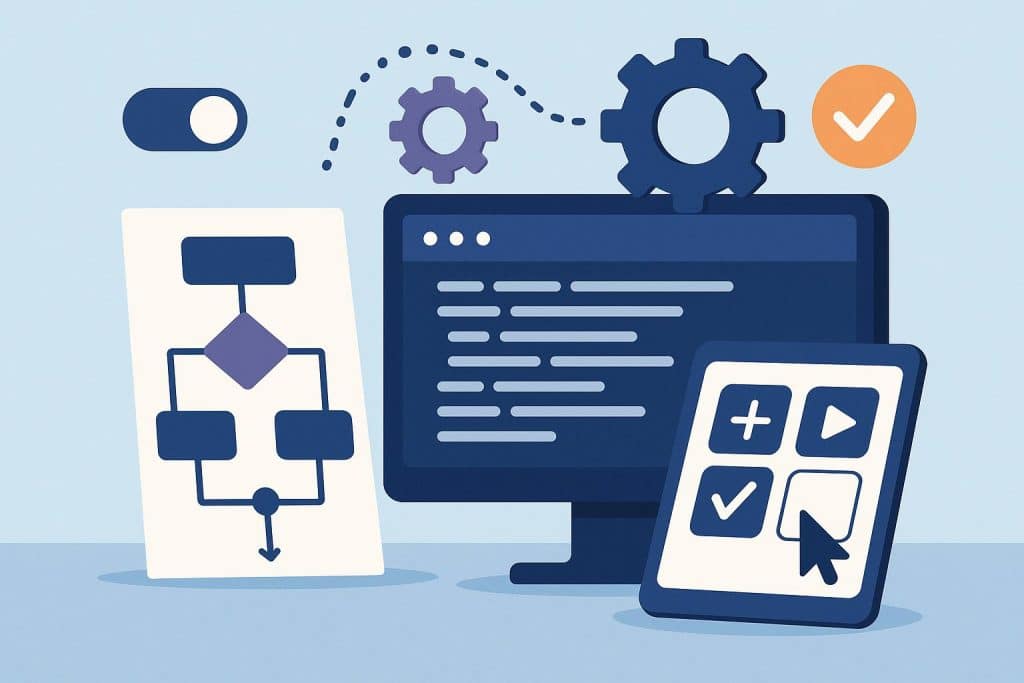
Business processes can become messy as teams grow and tasks multiply. Emails pile up, spreadsheets clash, and small errors delay major projects. Many companies rely on developers to fix these gaps, which slows progress and raises costs.
A no-code business automation platform offers a practical alternative. It allows teams to build systems and connect tools through visual interfaces instead of complex programming. This shift places control directly in the hands of managers and staff who know the work best. As a result, teams can automate business workflows that become clear, structured, and easier to manage across departments.
Clear Process Design Without Technical Barriers
A no-code platform removes the technical wall that once blocked process improvement. Team members can map tasks through drag-and-drop builders and simple logic rules. This approach makes workflow design accessible to non-technical staff. Departments can outline each step of a process and define actions that follow specific triggers. Errors decrease because instructions are visible and structured. Staff no longer depend on lengthy development cycles for small adjustments. The result is a cleaner process that reflects real operational needs. Teams gain confidence to refine procedures quickly without external technical assistance or complex system changes.
Faster Task Execution Across Departments
Manual handoffs slow business operations and create confusion. A no-code automation system routes tasks instantly to the right person or team. Notifications, reminders, and approvals move through preset paths. This structure removes delays that come from unclear responsibility. Sales, finance, and support teams stay aligned through shared dashboards. Each department sees updates in real time without searching through multiple systems. Work moves forward with fewer interruptions and clearer accountability. Clear timelines and automatic alerts help maintain steady progress across projects of any scale.
Seamless Data Flow Between Tools
Companies use many digital tools for communication, finance, and project management. Data silos create duplication and increase the risk of errors. A no-code automation platform connects applications through simple integrations. Information entered in one system can update another automatically. Teams avoid repetitive data entry and reduce inconsistencies when they automate business workflows. Reports reflect accurate and current information across platforms. This connected environment supports smoother daily operations and better coordination. Consistent records across departments improve collaboration and strengthen trust in shared business data.
Improved Accuracy and Compliance
Human error remains a major cause of workflow breakdown. A no-code system enforces predefined rules for approvals and documentation. Each step follows a consistent format that limits guesswork. Audit trails record actions and decisions for review. Compliance requirements become easier to track because records stay organized. Managers gain confidence in the reliability of internal processes. Structured automation builds trust across teams and stakeholders. Clear documentation standards support regulatory readiness and reduce internal disputes over responsibilities or approvals.
Greater Visibility and Control
Business leaders need a clear view of operations to guide decisions. No-code dashboards present real-time metrics and task status updates. Supervisors can identify bottlenecks without waiting for manual reports. Performance data highlights areas that require adjustment. Teams can refine processes based on measurable outcomes. Changes can take place quickly through visual editors. This level of visibility supports informed leadership and continuous improvement. Reliable insights help executives plan resources wisely and maintain consistent operational standards across departments.
No-code business automation reshapes how companies manage daily work. It removes technical barriers and places process design in the hands of operational teams. These benefits create smoother workflows that support steady growth. With practical tools and a user-friendly design, no-code automation simplifies operations and strengthens business performance.