

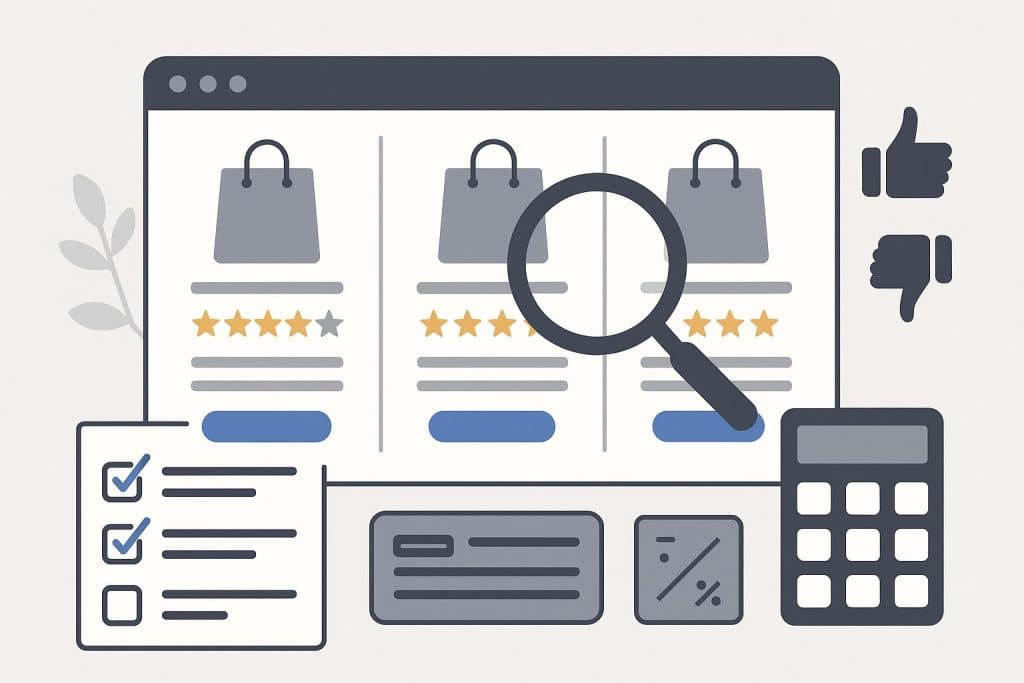
Every day, consumers face a dizzying range of choices. When making decisions about products ranging from phones and laptops to kitchen appliances and personal care items, the volume of available information can be overwhelming. In this context, product comparison sites have emerged as powerful tools that help people navigate the marketplace with confidence. These platforms gather information from multiple sources, organize it in user-friendly formats, and empower buyers to make smarter choices without spending endless hours on research.
In this article, we will explore how product comparison sites work, why they matter, how they save money and time, and how they are shaping the future of online shopping. We will also examine challenges and best practices for consumers who rely on these tools.
Why Consumers Need Comparison Tools
Consumers today are more informed than ever before. With access to online reviews, social media recommendations, and professional product testing, people have more data available at their fingertips. However, the sheer volume of information can be counterproductive. Conflicting reviews, biased opinions, and affiliate marketing make it difficult to separate genuine insight from noise.
Product comparison sites tackle this problem by aggregating data in one place. They filter reviews, pricing, technical specifications, and expert commentary so that consumers can compare apples to apples. For anyone feeling overwhelmed by choice, these platforms act as an organizing lens, bringing clarity to complexity.
The Anatomy of a Product Comparison Platform
At their core, product comparison sites collect three main types of information:
- Product Specifications: Technical features like memory size, processor speed, battery life, weight, and dimensions.
- Pricing: Current prices across multiple online retailers and alerts for sales or price drops.
- User and Expert Reviews: Commentary from verified buyers and professional reviewers to highlight strengths and weaknesses.
What sets comparison sites apart from simple search results is how they present this data. Instead of leaving the user to sift through multiple web pages, these platforms compile everything into structured tables, charts, and recommendation lists. The user can filter by price range, brand, star rating, or specific features.
For example, someone looking for noise-canceling headphones can instantly compare battery life, comfort ratings, connectivity options, and cost from all major brands. This consolidated view accelerates the decision-making process.
Saving Time in the Research Process
One of the most tangible benefits of using product comparison sites is how they drastically reduce the time needed to research purchases. Instead of opening multiple tabs, reading through dozens of reviews, and tracking prices manually, consumers can access curated comparisons with a few clicks.
Time is a valuable resource. For busy professionals, parents, or students, the ability to quickly narrow down choices without compromising quality is a major advantage. This is especially true for big-ticket items like laptops, cameras, or home appliances where making the wrong choice can mean significant expense and dissatisfaction.
By consolidating key data points, comparison platforms allow consumers to make head-to-head comparisons across brands and models in minutes rather than hours.
Helping Consumers Save Money
Beyond saving time, product comparison sites help consumers save money. These platforms list current prices from multiple retailers and often include historical price tracking. Some comparison sites also provide coupons, deal alerts, or notifications when prices drop.
For budget-conscious buyers, this means finding the best possible deal without having to manually search each retailer’s website. In many cases, consumers will discover discounts or lower prices they would not have found on their own.
Further, by presenting options at different price points, these sites help users evaluate whether a premium product is worth its higher price tag or if a more affordable alternative delivers similar value. This transparency empowers buyers to make decisions that align with both their needs and financial priorities.
Increasing Product Transparency and Reducing Bias
One challenge in the digital shopping era is bias in product information. Individual retailer sites often promote their own inventory, and organic search results can elevate paid placements or sponsored content. In contrast, reputable comparison sites aim to present unbiased information by aggregating content across the web.
These platforms typically draw from a wide range of sources, including independent reviews from multiple publications and verified user feedback. The result is a holistic picture that reduces the likelihood of skewed perspectives. For instance, if one retailer promotes a specific brand, the comparison site will still display alternatives beyond that promotion.
This layer of neutrality helps consumers trust that they are seeing the full spectrum of available options rather than a curated subset designed to benefit specific sellers.
Supporting Informed Decisions Through Reviews and Ratings
User reviews and ratings are integral to product comparison sites, and their aggregation adds depth to decision-making. Individual reviews often reflect personal experiences, which may vary widely. When comparison sites compile hundreds or thousands of reviews, broader trends emerge.
For example, a single negative review about a defective product may not reflect the true quality of an item. But when dozens of users mention the same issue, patterns form and inform other shoppers. Similarly, high aggregate ratings across multiple sites signal consistent performance.
Many comparison platforms also distinguish between expert reviews and user reviews, giving context to each. Expert reviews may focus on technical performance and benchmarks, while user reviews may highlight real-world usability. By showing both, consumers get a balanced view of pros and cons.
Catering to Diverse Consumer Needs
Comparison sites are not one-size-fits-all. Many platforms now provide filters for specific user needs. Whether consumers are searching for eco-friendly products, items under a certain price threshold, products compatible with specific ecosystems, or best choices for beginners versus professionals, these filters customize the comparison experience.
For instance, a graphic designer might want to narrow laptop choices based on screen resolution and GPU performance, while a college student might prioritize weight and battery life within a strict price range. Comparison tools enable this level of specificity, making them useful for a wide range of use cases.
Additionally, some platforms provide buying guides, how-to articles, and tutorials to help readers understand what features matter most. These educational resources increase consumer confidence and make the overall shopping experience more satisfying.
Real-World Example of a Comparison Platform
To illustrate how powerful these tools can be, consider a site like Top5Best.com, which curates lists of top products across many categories. By organizing items based on comprehensive criteria, the platform simplifies the research process for users who may be unsure where to begin. Its structured product breakdowns, clear pros and cons, and easy-to-navigate layout ensure that readers can find genuinely useful recommendations without having to dig through unrelated or unreliable sources.
Platforms like these show how comparison sites can elevate the decision-making process, especially for consumers who want clarity without bias.
How Comparison Sites Benefit Retailers and the Market
While the primary focus of comparison sites is empowering consumers, these platforms also benefit retailers. By driving informed traffic to online stores, they increase the chances of conversion and reduce return rates. When customers know exactly what they are getting and why they chose it, satisfaction tends to be higher and returns lower.
For retailers, being featured on a popular comparison site can substantially increase visibility, especially for niche or emerging brands that might otherwise be overshadowed on large marketplaces. This dynamic helps create healthy competition in the market and encourages brands to improve product quality and pricing.
Challenges and Limitations
Despite their advantages, comparison sites have limitations that consumers should be aware of. One common concern is accuracy. As product specifications and prices change frequently, comparison platforms must constantly update their databases to ensure reliability. Outdated or incorrect information can mislead shoppers.
Another challenge is potential bias from affiliate relationships. Many comparison sites earn commissions when users click through and make purchases. While this business model supports the platform financially, it can introduce conflicts of interest. Reputable sites disclose affiliate relationships and strive to maintain objectivity, but consumers should still be mindful of this factor when interpreting recommendations.
Additionally, not all products will be available on every comparison platform, particularly niche or local items. Consumers seeking specialized products may need to supplement comparison tools with targeted searches or expert consultations.
Best Practices for Using Product Comparison Sites
To get the most value from product comparison tools, consumers should adopt a few best practices:
- Use Multiple Sites: Don’t rely on a single comparison platform. Cross-referencing can confirm information and reveal additional options.
- Check Review Authenticity: Look for verified purchase tags and a balanced mix of positive and negative reviews to gauge reliability.
- Understand Your Priorities: Before comparing, list what features matter most to you. This helps filter out irrelevant data and focus on meaningful differences.
- Watch for Price Changes: Prices fluctuate and may vary by region or retailer, so always verify current costs at the checkout page.
- Read the Fine Print: Some comparison sites may not list shipping, taxes, or warranty details. Make sure to factor those into your final decision.
Conclusion
Product comparison sites have become indispensable tools for modern consumers. They save time, reduce complexity, highlight the best value for money, and empower individuals to make informed decisions with confidence. By aggregating data from multiple sources, presenting it clearly, and focusing on transparency, these platforms help buyers cut through noise and find products that genuinely meet their needs.
However, consumers should use comparison tools strategically, be aware of potential limitations, and combine them with their own research instincts. When used wisely, product comparison sites elevate the shopping experience, turning confusion into clarity and endless options into smart choices.