

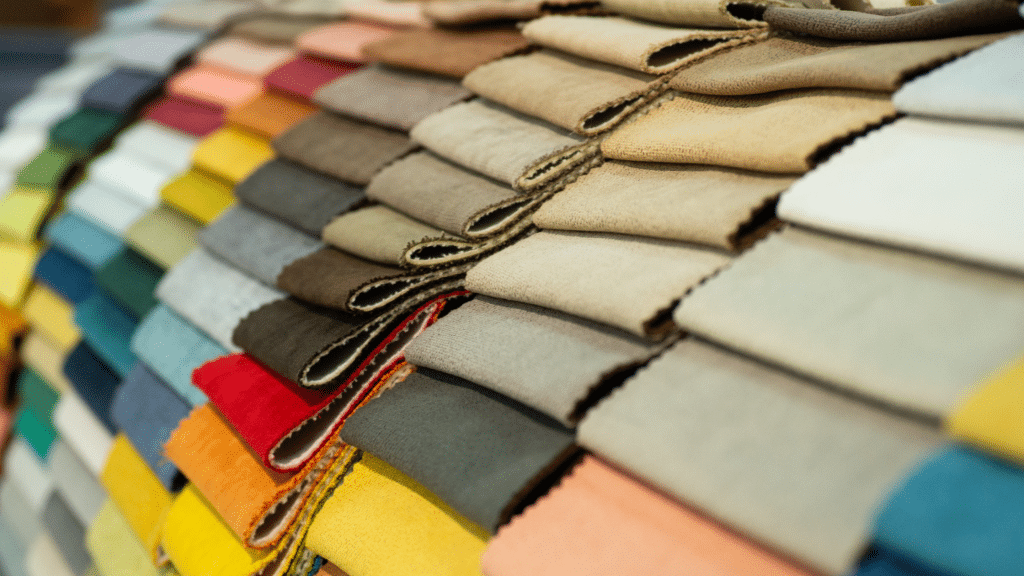
Choosing quality fabric is an important step when shopping for clothing, home décor, or upholstery. Fabric affects how an item looks, feels, and lasts over time. Poor-quality fabric may look good at first, but it can fade, stretch, pill, or tear quickly. High-quality fabric, on the other hand, keeps its shape, color, and texture even after regular use. Understanding how to identify good fabric helps you make better buying decisions and avoid wasting money on items that wear out too soon.
Understanding Different Types of Fabrics
The first step in choosing quality fabric is knowing the basic fabric types. Fabrics are generally divided into natural, synthetic, and blended materials. Natural fabrics like cotton, linen, wool, and silk are known for comfort and breathability. Synthetic fabrics such as polyester, nylon, and acrylic are often durable and wrinkle-resistant. Blended fabrics combine both to offer balance between comfort and strength. Knowing what type of fabric you are buying helps set expectations for how it will feel and perform.
Checking the Fabric Feel and Texture
Touch is one of the easiest ways to judge fabric quality. High-quality fabric usually feels smooth, soft, or firm in a consistent way, depending on its purpose. Rough, scratchy, or uneven textures can be signs of low-quality fibers or poor weaving. Gently rub the fabric between your fingers to see how it responds. Quality fabric should feel pleasant and return to its original shape without feeling weak or flimsy.
Examining Fabric Weight and Thickness
Fabric weight plays a big role in durability. Very thin fabrics may not hold up well unless they are designed for lightweight use, such as summer wear or curtains. Thick fabrics are not always better, but they should feel dense and well-constructed. Hold the fabric up to the light. If it appears uneven or overly transparent when it should not be, it may be poorly made. Good fabric has a balanced weight that matches its intended use.
Looking Closely at the Weave or Knit
The way fabric is woven or knitted affects its strength and lifespan. A tight, even weave usually means better quality. Loose weaves may stretch out of shape or tear easily. Check if the threads look uniform and closely packed. If you gently pull the fabric and see gaps forming, that may be a sign of weak construction. Quality fabrics maintain their structure even when handled.
Reading Fabric Labels Carefully
Fabric labels provide valuable information that many shoppers overlook. Labels tell you the fiber content, care instructions, and sometimes the country of origin. High-quality fabrics often come with clear and detailed labels. If care instructions seem too complex for everyday use, the fabric may require extra maintenance. Choosing fabric that matches your lifestyle makes it easier to keep items in good condition for longer.
Testing Durability with Simple Checks
You do not need special tools to test fabric durability. Gently stretch the fabric and see if it snaps back into shape. Pinch a small section to check if it wrinkles easily. If deep wrinkles remain, the fabric may not age well. Also, rub two sections together lightly to see if fibers start to pill. Quality fabric should handle these simple tests without visible damage.
Paying Attention to Color and Dye Quality
Color quality is another sign of good fabric. Look for rich, even coloring across the surface. Uneven shades, dull tones, or visible fading may indicate low-quality dyeing. You can lightly rub the fabric with a white cloth to see if color transfers. Strong dye bonds are a sign of better fabric that will not fade quickly after washing.
Matching Fabric Quality to Its Purpose
Not all quality fabrics are the same, and the best choice depends on how the fabric will be used. Clothing fabrics should focus on comfort and flexibility. Upholstery fabrics should prioritize strength and wear resistance. Curtains and décor fabrics need good drape and color stability. Understanding the purpose helps you avoid buying fabric that looks nice but does not perform well in real use.
Buying from Trusted Fabric Sources
Where you buy fabric matters as much as the fabric itself. Reputable suppliers are more likely to offer consistent quality, clear descriptions, and reliable standards. Online fabric stores that specialize in textiles often provide detailed information and professional guidance. Platforms like beglarianfabrics.com are known for offering carefully sourced fabrics, making it easier for buyers to find materials that meet both quality and design expectations.
Avoiding Common Fabric Buying Mistakes
Many shoppers focus only on price or appearance, which can lead to poor choices. Cheap fabric may seem attractive but often costs more in the long run due to early replacement. Another common mistake is ignoring care requirements. Even high-quality fabric can become a burden if it requires constant special care. Taking time to inspect, feel, and understand fabric before buying helps avoid regret later.
Making Smart Long-Term Fabric Choices
Choosing quality fabric is an investment in comfort, appearance, and durability. When you understand fabric types, construction, and performance, you gain confidence as a shopper. Quality fabric improves how products feel and function, whether it is a piece of clothing or a home furnishing. By shopping thoughtfully and choosing trusted sources, you ensure that your fabric purchases deliver lasting value.