

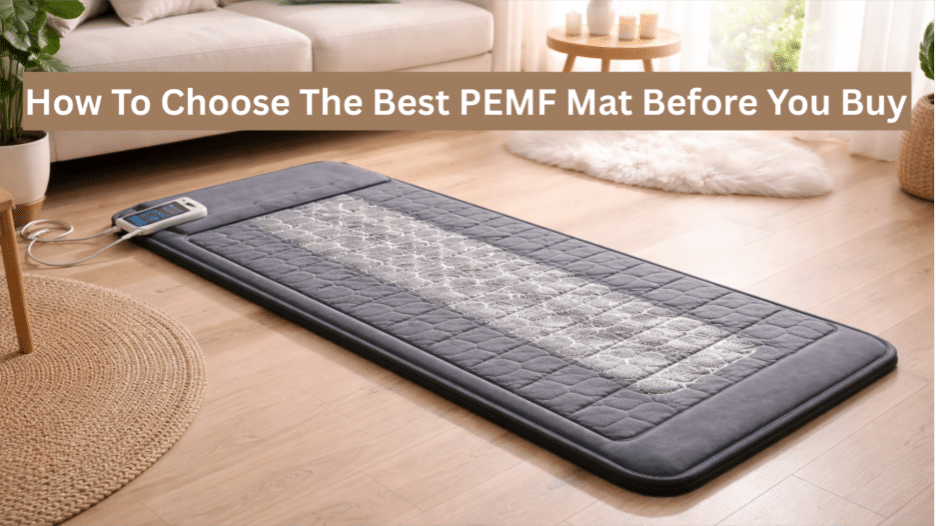
Chronic pain, lack of energy, slower recovery, and poor sleep are often the reasons that lead you to explore other options than conventional approaches. At the same time, the PEMF market can be difficult to navigate.
Prices vary dramatically, technical specifications sound intimidating, and almost every product promises superior results. This way, choosing the right choice can feel unclear instead of empowering. However, once you understand how exactly PEMF mats work and which criteria actually matter, the process becomes much simpler.
Here are important factors you need to consider in order to make an informed decision before purchasing a PEMF mat.
1. Start by Understanding What PEMF Mat Is Made Of
Before looking at the price or advanced features, it is very important to know the basic structure of a PEMF mat. The materials, as well as the internal design, have a direct impact on comfort, durability, and effectiveness.
Most PEMF mats are made up of an outer protective layer, internal electromagnetic coils, and padding for comfort. Among these, the coils are the most important segment as they determine the way PEMF signals are released and how uniformly they reach the body.
Nevertheless, make sure to purchase high-quality wellness tools for the best results. To understand which ones really work, see Nick Urban of Outliyr’s informative guide to picking the best PEMF mat. It discusses the main differences that will help you select a solution that aligns with your personal health goals.
In addition to this, coil count plays a significant role. Mats that contain more coils tend to have stronger and more systemic effects, while fewer coils are more useful for localised treatments. However, an increase in the number of coils often increases the price, so balance is an important consideration.
2. Align Mat With Your Specific Goals
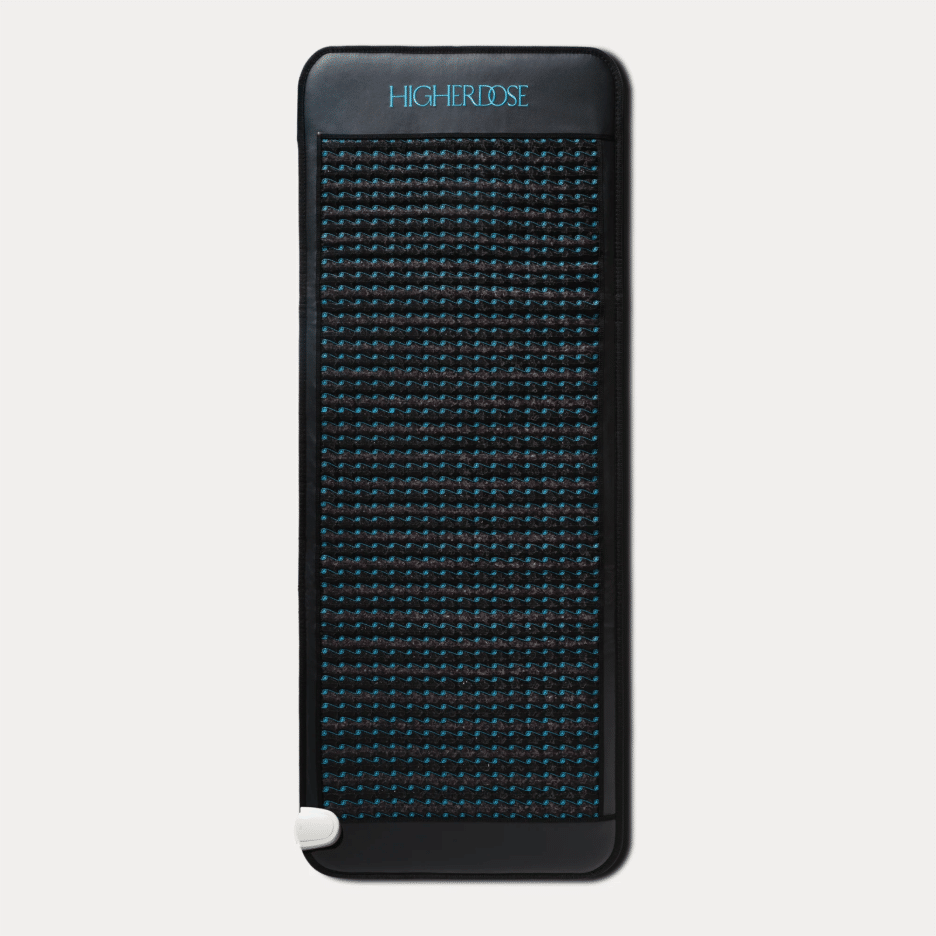
Your reason for using PEMF therapy should help you make the purchasing decision. Different uses and purposes require different sizes and configurations of the mat.
If your focus is targeted relief for joints or muscles, a smaller mat may be sufficient. These options are good for spot applications and occasional use.
In contrast, full body recovery, enhanced sleep, and overall wellness benefits normally require a larger mat. While a greater investment is required for these mats, the coverage area is far greater and helps to provide consistent sessions on a daily basis.
By having a clear understanding of whether your target goal is pain relief, recovery, energy support, or long-term cell health, selecting the right PEMF mat becomes much easier.
3. Consider Pricing Without Assuming Higher Is Better
PEMF mats are available for several hundred dollars to tens of thousands for a clinic-grade system. However, higher cost does not automatically translate to better results.
Many good-quality PEMF mats for home use can be obtained for less than $2500 and provide excellent performance for home use. While it is possible that premium systems may have additional features, they are often not necessary for most users.
Instead of only considering price value, look for overall value. Consider whether a mat provides appropriate intensity levels, frequency control, and comfort. When these factors align with your requirements, higher pricing rarely brings meaningful benefits of PEMF therapy.
4. Focus on Features That Encourage Regular Use
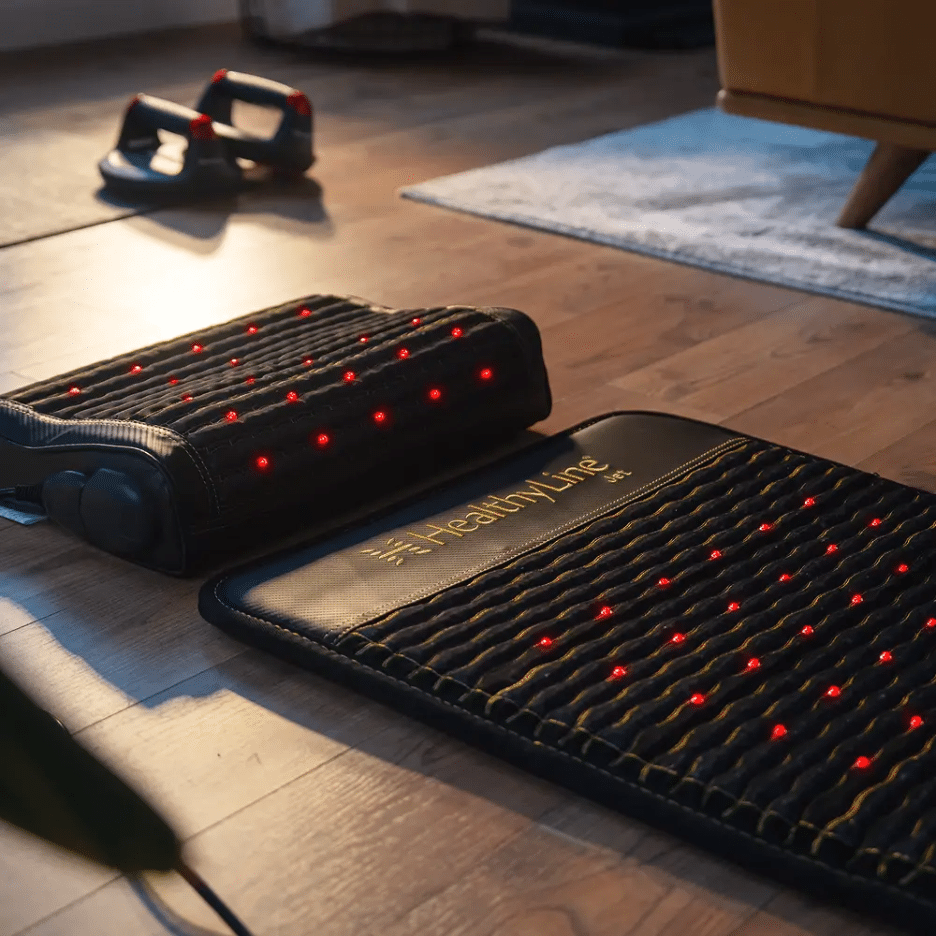
Even the most advanced PEMF mat is useless if it is not used. For that reason, usability and convenience are of utmost importance.
Portability matters if you wish to travel or move the mat to different spaces. Pre-programmed modes make sessions easy, especially if you prefer pre-programmed PEMF mat therapy as opposed to manual adjustments.
Features like built-in timers, easy-to-use controls, integration with apps, solid warranties, and excellent customer support help provide satisfaction in the long run. A PEMF therapy mat that fits seamlessly into your routine is far more likely to produce consistent PEMF therapy benefits.
5. Understand Intensity and Frequency Settings
Intensity and frequency are two of the more important technical factors in PEMF pulsed electromagnetic field therapy.
Intensity is the amount of power output that is delivered to the body, and it is usually measured in Gauss or microTesla. Higher intensities are often used for short and acute sessions, while lower intensities are better for chronic conditions and long-term use.
Frequency measures the pulses delivered per second and is measured in Hertz (Hz) or pulses per second (PPS). Most PEMF therapy devices run below 50 Hz, and some experts have suggested that anything above approximately 15 Hz may biologically stress the body.
Because individual responses vary, adjustable intensity and frequency settings provide greater flexibility as your needs change.
6. Pay Attention to Waveform
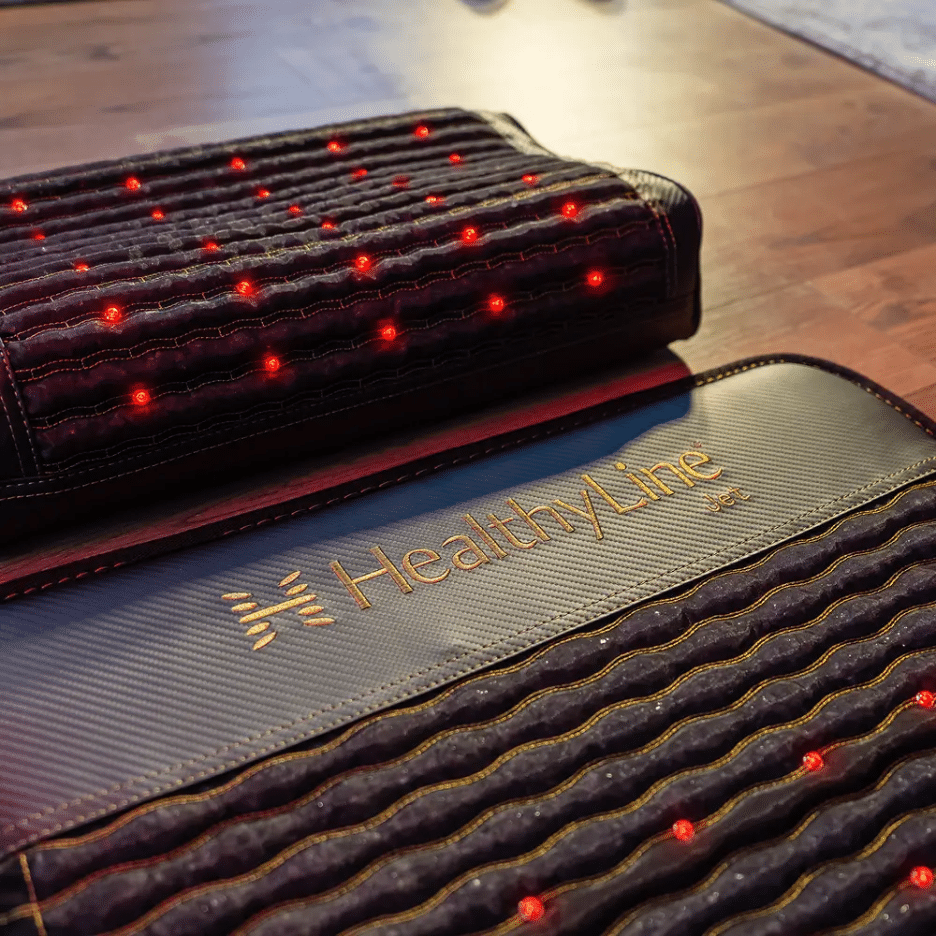
Waveform refers to the shape of each electromagnetic pulse generated by a PEMF machine. Although often overlooked, waveform structure can influence how PEMF therapy mat sessions interact with the body.
Common waveform types include square, sine, trapezoidal, and sawtooth patterns. Each waveform interacts differently with cells, contributing to the varied benefits of PEMF mat use.
While no single waveform is universally superior, having multiple options allows experimentation. PEMF therapy machines that offer waveform variability provide a more customizable experience and greater long-term adaptability.
Choose Your Ideal Mat with Intention
Choosing a PEMF mat becomes far simpler when you prioritize fundamentals over marketing claims or PEMF therapy news trends. By understanding construction, coil design, intensity, frequency, and waveform options, you place yourself in control of the decision.
Rather than assuming higher prices guarantee better outcomes, focus on alignment with your goals and lifestyle. A PEMF therapy mat that supports consistent use will always deliver greater value than one chosen based on hype alone. When intention guides your choice, PEMF therapy becomes a practical, long-term wellness investment rather than a confusing purchase.