

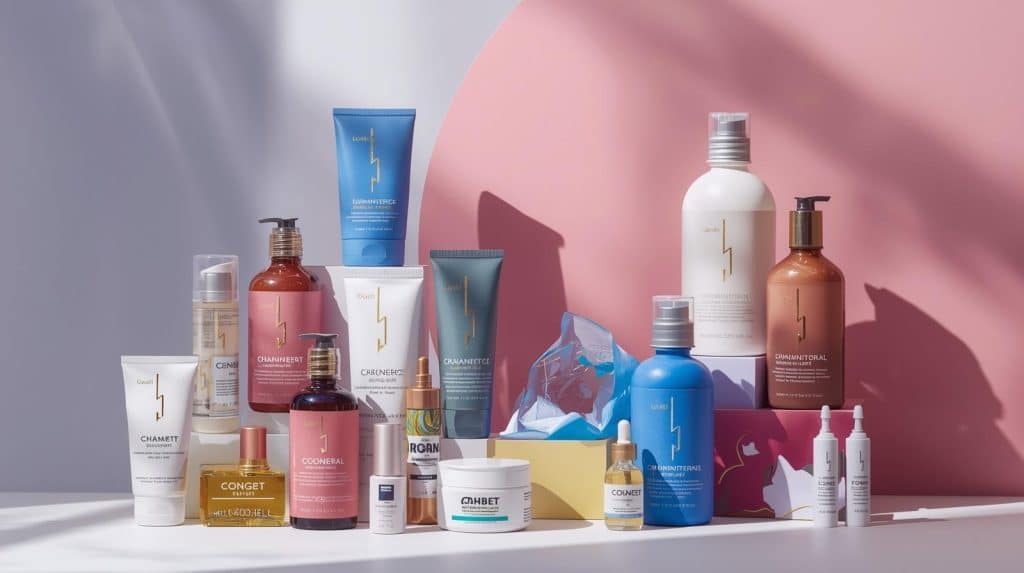
Most people pick hair care products based on what smells nice, what a friend recommended, or what was on sale. Then they wonder why their hair still looks dull, breaks easily, or feels dry no matter how much conditioner they use. The problem usually isn’t the product itself it’s that the product was never right for their hair in the first place.
Choosing the right hair care products starts with understanding your hair, not just your hair goals.
Know Your Hair Type Before You Shop
Hair type is more than just straight, wavy, or curly. It also includes texture (fine, medium, or coarse), porosity (how well your hair absorbs moisture), and scalp condition (oily, dry, or balanced). Each of these factors changes what your hair actually needs.
Fine hair, for example, gets weighed down easily. Heavy creams and thick oils can make it look flat and greasy within hours. Coarse or thick hair, on the other hand, needs more moisture and can handle richer products without losing volume. If you apply a lightweight volumizing shampoo to coarse, dry hair, it will do almost nothing for you.
Porosity is the one most people overlook. High-porosity hair absorbs products quickly but loses moisture just as fast. It often needs sealing ingredients like oils or butters after washing. Low-porosity hair repels moisture and tends to build up product on the surface, which makes it feel heavy and coated over time.
Scalp Health Is Not the Same as Hair Health
Many people treat their scalp and their hair strands as the same thing. They are not. Your scalp is skin; it has oil glands, pores, and a microbiome that affects how healthy your hair grows. Your hair strands are dead cells. They need conditioning and protection, but they cannot be “healed” from damage the way skin can.
This matters because a product that works well for your hair length may not suit your scalp at all. Heavy moisturizing shampoos can clog pores on an oily scalp. Harsh clarifying shampoos can strip too much oil from a dry or sensitive scalp, triggering more oil production as a response.
A good rule: choose your shampoo based on your scalp type, and choose your conditioner based on your hair’s texture and porosity.
Reading Labels Without Getting Confused
You don’t need to be a chemist, but knowing a few basic things about ingredients helps.
- Sulfates (like sodium lauryl sulfate) create lather but can strip natural oils not ideal for dry or color-treated hair
- Silicones (ingredients ending in “-cone”) add shine and smoothness, but can build up over time and block moisture absorption
- Humectants like glycerin draw moisture into the hair, great for dry hair, but in very humid climates, they can cause frizz
- Proteins like keratin or wheat protein can strengthen weak, damaged hair, but can cause stiffness if overused on protein-sensitive hair
The goal isn’t to avoid any single ingredient entirely. It’s to understand what your hair responds to and adjust accordingly.
Why Nutrition Affects Your Hair More Than Shampoo
Here’s something most product marketing glosses over: what you put on your hair matters far less than what your body has access to internally. Hair growth depends on nutrients iron, zinc, protein, and vitamins like B7 (commonly known as biotin). Research around Biotin for Hair suggests that deficiency can affect hair quality, though supplementation works best when there’s an actual deficiency present.
If your body is under stress, nutritionally depleted, or dealing with hormonal shifts, even the most expensive shampoo in the world won’t fix the problem. This is why people can switch products repeatedly and still see no real improvement, because the issue is coming from inside, not from the outside.
Finding a Routine That Actually Works for You
Once you understand your hair type and scalp condition, building a routine becomes much simpler.
- Wash frequency should match your scalp’s oil production, not a calendar rule
- Deep conditioning once a week helps most people with dry or textured hair
- Minimize heat styling or always use a heat protectant. Strands don’t recover from heat damage; they just grow out
- Avoid changing products too frequently; hair takes 4–6 weeks to show a real response to something new
Some approaches go a step further. Brands like Traya focus on identifying the root cause of hair concerns, whether that’s scalp health, nutrition, or stress, rather than only addressing surface symptoms. Exploring traya products may be useful if you’ve already addressed the basics and still aren’t seeing results.
Final Thoughts
There’s no single product that works for everyone, and there’s no shortcut to figuring out what your hair needs. The process requires a bit of observation, noticing how your scalp feels after washing, how your hair behaves in different weather, and where it tends to break or thin. That kind of attention gives you more useful information than any quiz or marketing label ever will. Start with understanding what you’re working with, and the right products become much easier to find.