

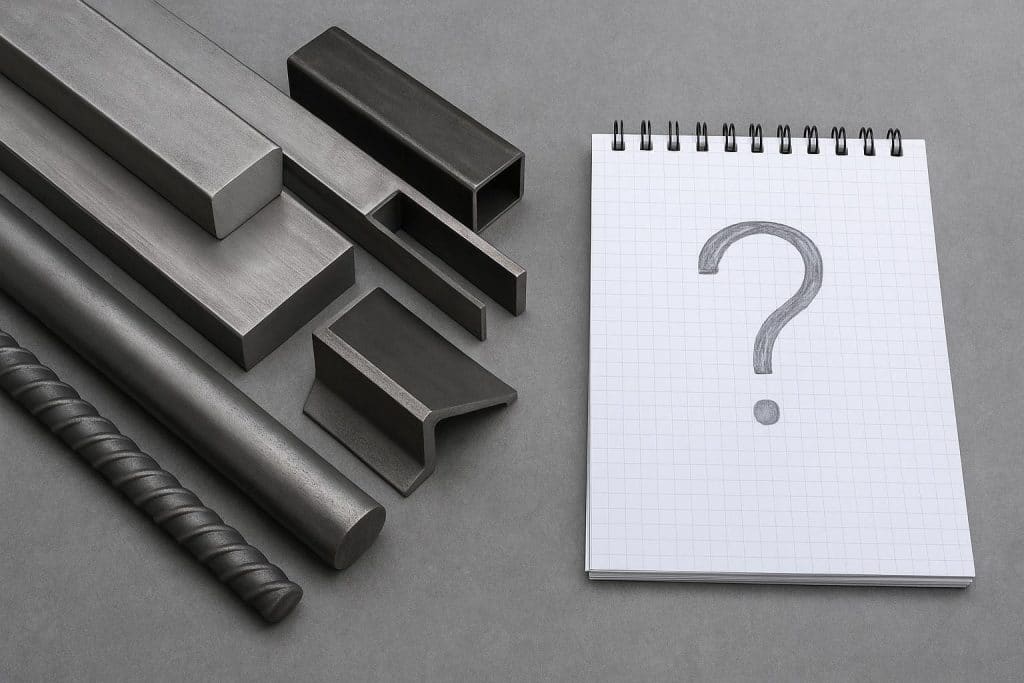
Not all steel is the same. What looks like a simple material choice on paper can have a lasting impact on structural performance, maintenance costs and the overall lifespan of a finished product. Selecting the right steel grade is one of the most important decisions in any industrial or construction project — and one that deserves more attention than it often gets. This is where companies like Tibnor and other steel distributors add real value, bridging the gap between what a project requires on paper and what actually arrives on site.
The challenge is not a lack of options. If anything, the range of available steel grades can feel overwhelming. The key is matching the material’s properties to the specific demands of the application: load, environment, fabrication method and long-term performance requirements.
Understanding what each project demands
Every project has its own set of conditions. A steel frame for a warehouse faces very different stresses than a wear plate inside a mining conveyor or a facade panel exposed to coastal weather. Before settling on a grade, it pays to ask a few fundamental questions.
What loads will the steel carry, and over what span? Will the material be exposed to moisture, chemicals or extreme temperatures? Does it need to be welded, bent or machined — and how easily? Is weight a critical factor? What are the regulatory and certification requirements?
The answers to these questions narrow the field considerably. A structural beam in a multi-storey building calls for a very different grade than a component in agricultural machinery or a wear-resistant surface in a recycling plant.
Structural steel — where strength meets efficiency
For load-bearing applications, the choice often comes down to balancing strength with weight. Standard structural steels conforming to EN 10025 — such as S235, S275 and S355 — cover a wide range of construction and fabrication needs. The higher the number, the higher the yield strength, which means the structure can carry more load or achieve the same capacity with less material.
For projects where reducing weight matters — lighter transport equipment, longer bridge spans, or more efficient crane structures — high-strength steels offer a significant advantage. Strenx is a high-strength structural steel developed for exactly these situations. By allowing designers to use thinner sections without sacrificing performance, it can reduce material consumption, lower transport costs and improve energy efficiency in the finished product.
Wear-resistant steel — built to last under punishment
In industries like mining, quarrying, recycling and earthmoving, steel surfaces take a constant beating from abrasive materials. Standard structural steels wear down quickly under these conditions, leading to frequent replacements and costly downtime.
Hardox is engineered specifically for wear resistance. Its hardness and toughness allow equipment to operate longer between maintenance intervals, which directly affects productivity and total cost of ownership. Typical applications include bucket liners, tipper bodies, crusher components and chutes — anywhere material repeatedly impacts or slides against a steel surface.
Formable steel — when the shape matters
Not every application demands maximum hardness or yield strength. Many components require steel that can be cold-formed into complex shapes without cracking or losing its structural integrity. Pressing, bending and roll-forming all place specific demands on the material.
Domex is a cold-forming steel that combines good strength with excellent formability. It is widely used in the production of trailers, containers, lifting equipment and other fabricated components where the manufacturing process involves significant shaping of the material.
Weathering steel — letting nature do the work
Some projects call for steel that can withstand outdoor exposure without conventional coatings or paint. Corten is a weathering steel that develops a stable, protective oxide layer when exposed to the atmosphere. This layer gives the material its distinctive rust-coloured appearance and eliminates the need for ongoing surface maintenance.
Corten is a popular choice for architectural facades, outdoor sculptures, bridges and landscape structures where both durability and visual character are important. It is worth noting that weathering steel performs best in environments with regular wet-dry cycles — in permanently wet or chloride-rich conditions, alternative protection strategies may be needed.
Hot-rolled versus cold-rolled — a practical distinction
Beyond specific brand names and grades, the rolling process itself affects which applications a steel sheet or plate is suited for. Hot-rolled steel is formed at high temperatures, resulting in a rougher surface finish but excellent workability and cost efficiency. It is the standard choice for structural components, frames and heavy fabrication.
Cold-rolled steel goes through additional processing at lower temperatures, producing a smoother finish, tighter tolerances and a harder surface. It tends to be used where dimensional precision and surface quality matter — for example in furniture, appliances or visible architectural elements.
Both types have their place, and choosing between them is part of the broader decision about which grade and finish best serves the project.
Standards and certification — the non-negotiable foundation
Whichever grade is selected, it must meet the relevant European standards for chemical composition and mechanical properties. For hot-rolled structural steels, EN 10025 is the key reference. For high-strength steels intended for cold forming, EN 10149 applies. Hollow sections fall under EN 10219.
Material certificates document that each delivery meets these requirements. For projects subject to technical audits or CE marking obligations, certified steel from a reliable source is not optional — it is a baseline requirement.
Tibnor supplies all materials with the appropriate documentation and can provide project-specific certificates on request.
When in doubt, ask the supplier
The best steel grade for a project is not always the most expensive or the strongest — it is the one that fits the application. A capable supplier does more than stock a wide range of products. They help clients navigate the options, understand the trade-offs and arrive at a material choice that balances performance, cost and availability.
Tibnor’s product range spans standard structural steels, high-strength and wear-resistant grades, formable steels, weathering steels, stainless steel and aluminium. Combined with processing services, technical support and a logistics network built for the Nordic and Baltic market, the aim is to make the right choice also the easiest one.