

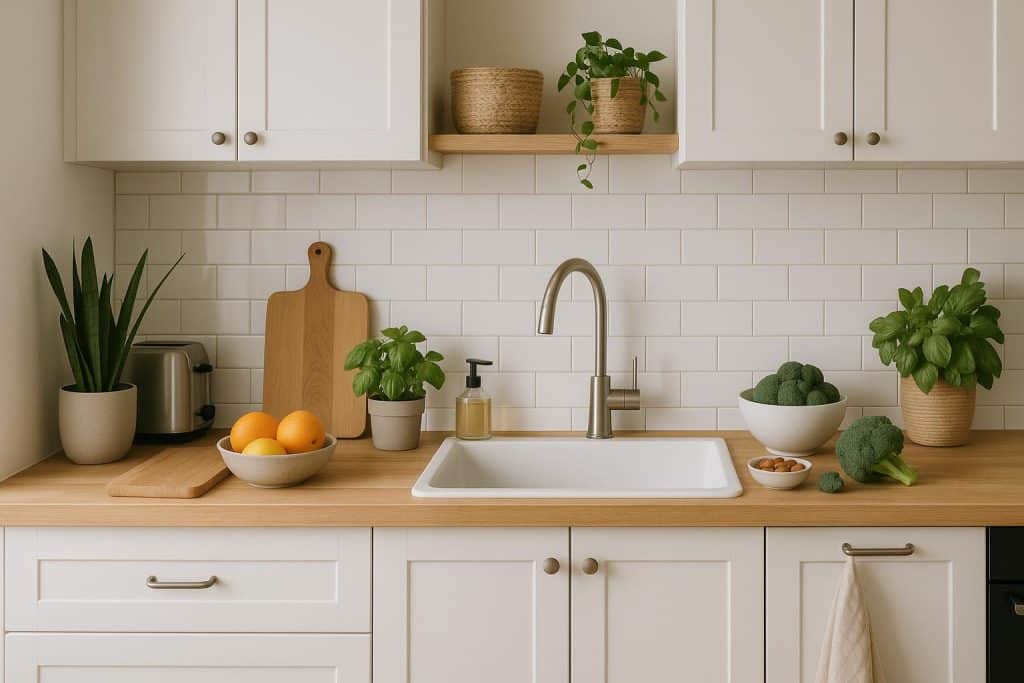
Creating a healthier kitchen environment is one of the most impactful ways to support your wellbeing at home. As the heart of daily routines—where meals are prepared, conversations happen, and habits are formed—the kitchen plays a crucial role in shaping how you eat, drink, and live. With a few thoughtful changes, you can transform your kitchen into a space that encourages healthier choices, cleaner living, and greater peace of mind.
Here are some practical, achievable ways to build a kitchen that supports better health for you and your household.
Start with Cleaner, Safer Water
Water is one of the most frequently consumed substances in any kitchen, yet it’s often overlooked when considering health upgrades. Cooking, washing produce, making tea or coffee, and staying hydrated all rely on water quality.
Installing a filtration system can reduce impurities, improve taste, and provide reassurance about what you’re consuming daily. If you’re weighing up the investment, understanding your water filtration system cost early on can help you choose a solution that fits both your health goals and household budget.
Beyond drinking water, filtered water can enhance the flavour of food, protect appliances from mineral build-up, and reduce reliance on single-use plastic bottles—benefitting both your health and the environment.
Declutter to Encourage Better Choices
A cluttered kitchen can quietly contribute to stress and unhealthy habits. When benchtops are crowded and cupboards overfilled, it’s harder to cook mindfully or reach for nutritious ingredients. To create a healthier environment:
- Clear benchtops of non-essential items
- Organise cupboards so healthy staples are visible and accessible
- Store treats out of immediate sight rather than banning them altogether
An organised kitchen promotes calm decision-making and makes it easier to prepare meals at home rather than opting for convenience foods.
Prioritise Fresh, Whole Foods
The layout of your kitchen can influence what you eat more than you realise. Keeping fresh fruit in a bowl on the bench or pre-cut vegetables at eye level in the fridge makes healthier options the easy choice. Consider:
- Allocating a dedicated space for fresh produce
- Using clear containers to store whole grains, nuts, and legumes
- Reducing storage space for ultra-processed foods
These small shifts subtly guide everyday behaviour without requiring strict rules or willpower.
Improve Air Quality and Ventilation
A healthier kitchen isn’t just about what you eat—it’s also about what you breathe. Cooking fumes, cleaning chemicals, and lingering odours can impact indoor air quality over time. To improve ventilation:
- Use rangehoods or exhaust fans consistently
- Open windows where possible during and after cooking
- Choose low-tox or natural cleaning products
Good airflow helps reduce airborne particles and creates a fresher, more comfortable cooking space.
Choose Safer Cooking and Storage Materials
Many kitchens contain cookware and storage products that can leach unwanted substances into food, particularly when heated. Health-conscious swaps include:
- Stainless steel, cast iron, or ceramic cookware
- Glass or stainless steel food storage containers
- Avoiding scratched non-stick surfaces
These choices help minimise exposure to chemicals while often offering better durability and long-term value.
Maintain Cleanliness Without Overusing Chemicals
A clean kitchen is essential for health, but more product isn’t always better. Overuse of harsh chemicals can leave residues on surfaces and contribute to indoor pollution. Instead:
- Clean regularly with mild, food-safe products
- Use vinegar, bicarbonate of soda, or plant-based cleaners where suitable
- Focus on high-touch areas such as handles, taps, and preparation surfaces
This approach keeps your kitchen hygienic without introducing unnecessary irritants.
Make the Kitchen a Space You Enjoy
Finally, a healthier kitchen is one you enjoy spending time in. Good lighting, comfortable layout, and personal touches all encourage home cooking and shared meals—both linked to better long-term health outcomes. When your kitchen feels welcoming and functional, healthy habits become part of everyday life rather than a chore.
A healthier kitchen starts with small, smart changes
You don’t need a full renovation to create a healthier kitchen environment. By improving water quality, reducing clutter, choosing safer materials, and designing the space to support better habits, you can make meaningful improvements that benefit your wellbeing every day. The kitchen isn’t just where food is prepared… it’s where health is built, one simple choice at a time.