

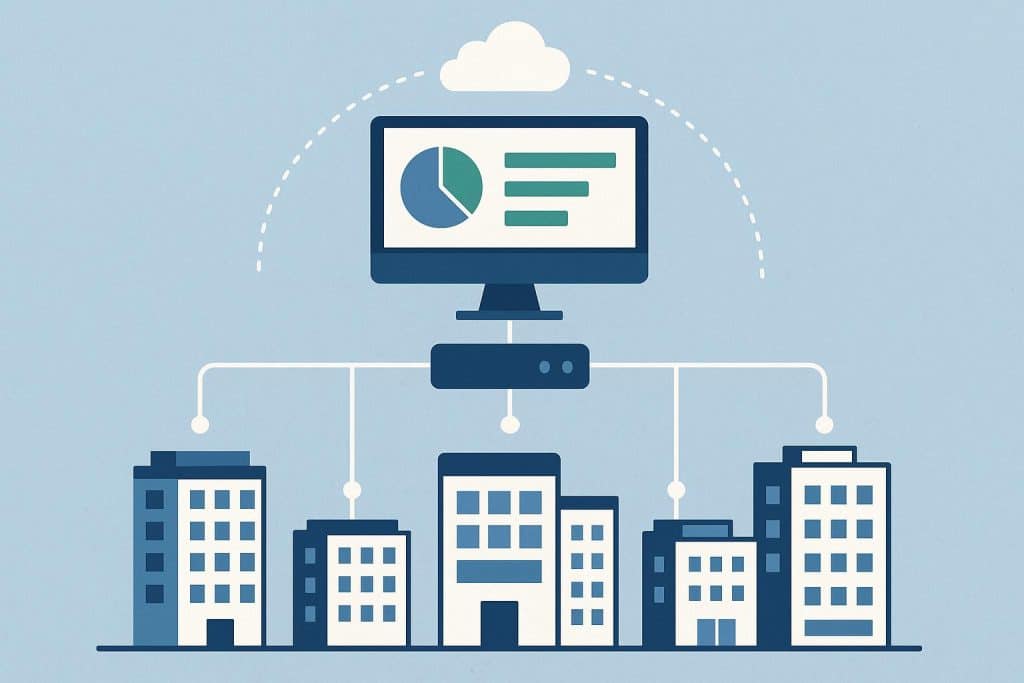
Managing IT infrastructure across multiple locations can be a complex challenge for organizations of all sizes. From branch offices and remote work sites to data centers and cloud services, keeping track of network activity, device health, and security threats requires a strategic approach. Without clear visibility, IT teams risk delayed responses to issues, inconsistent security policies, and operational inefficiencies. Fortunately, there are effective strategies to improve IT visibility and control across multiple locations.
Centralize Network Monitoring
One of the first steps in gaining control over distributed IT systems is to centralize network monitoring. A unified monitoring solution allows IT teams to see all network activity in real time, regardless of location. By aggregating data from routers, switches, servers, and endpoints, organizations can quickly identify anomalies or bottlenecks. Centralized monitoring also enables consistent reporting, simplifying compliance and audit processes across multiple sites.
Standardize Security Policies
Maintaining consistent security policies is critical when managing multiple locations. Organizations should establish a set of baseline policies that apply to every branch or remote site. These policies might include firewall rules, access controls, and endpoint protection standards. Standardization not only strengthens security but also simplifies troubleshooting and reduces the risk of configuration errors that could leave networks vulnerable.
Leverage Cloud-Based Tools
Cloud-based IT management tools offer significant advantages for multi-location organizations. By moving monitoring, reporting, and configuration tools to the cloud, IT teams can manage systems from anywhere without the need for on-site interventions. Cloud platforms also provide scalable resources, allowing organizations to expand operations without adding significant IT overhead. Additionally, cloud-based solutions often include AI-driven analytics, which help detect potential issues before they impact business operations.
Implement Secure Access Frameworks
Remote locations and mobile workers introduce additional complexity to IT management. Secure access frameworks, such as zero-trust architectures, ensure that only authorized users and devices can access network resources. These frameworks also help IT teams monitor who is accessing sensitive systems, reducing the risk of data breaches. By controlling access at both the user and device level, organizations can maintain visibility across diverse locations while improving overall security posture.
Integrate SASE Solutions
Adopting a secure access service edge (SASE) solution can significantly enhance visibility and control across multiple sites. SASE combines networking and security functions into a single cloud-delivered service, providing IT teams with centralized policy enforcement and real-time monitoring. By leveraging SASE cybersecurity, organizations can enforce consistent security measures for all locations, monitor traffic for potential threats, and simplify the management of remote users. This integrated approach reduces complexity and ensures that IT teams have a clear picture of their entire infrastructure.
Monitor Endpoint Devices
Endpoints, including desktops, laptops, and IoT devices, are often the entry points for security threats. Organizations should implement endpoint detection and response (EDR) tools to monitor device activity across all locations. These tools provide alerts for suspicious behavior and enable IT teams to respond quickly to potential breaches. Regular audits and patch management further strengthen endpoint security and maintain operational stability.
Establish Clear Reporting Protocols
Finally, improving IT visibility requires structured reporting. Regular reports on network performance, security events, and system health provide actionable insights for IT teams and business leaders. Clear reporting protocols ensure that critical issues are addressed promptly and help identify trends that may require long-term strategic adjustments.