

Starting a digital business in 2026 does not require venture capital, a warehouse, or a team of developers. For a growing number of young entrepreneurs and side hustlers, an IPTV reseller operation built around a panel provider is delivering real monthly income with nothing more than a laptop, a WhatsApp account, and a modest upfront investment in streaming credits. This guide breaks down how the model works, what it actually takes to run it, and how to avoid the mistakes that end most reseller businesses before they ever get off the ground.
Introduction: Why IPTV Reselling Is a Real Business Opportunity in 2026
The streaming market has matured. What once existed on the fringes as unreliable pirated streams has evolved into a structured, layered industry with wholesale providers, reseller dashboards, and recurring subscription revenue. Consumers are actively looking for affordable alternatives to cable and premium streaming bundles, and that appetite is not shrinking.
For someone entering the digital business space, IPTV reselling sits in a practical middle ground. The infrastructure is already built by the provider. The content is already being delivered. The reseller’s role is to acquire customers, manage their accounts, and maintain the relationship. There is no product to source, no shipping to coordinate, and no complex technical build required at the start. That combination of low overhead and recurring revenue potential makes it one of the more accessible business models available right now.
What Is an IPTV Panel Provider and How Does the Model Work
An IPTV panel provider operates the backend. They manage the servers, maintain the channel feeds, handle content delivery, and keep the infrastructure running. A reseller pays for access to that infrastructure through a dedicated dashboard called a panel, and uses it to create and manage subscriptions for their own customers.
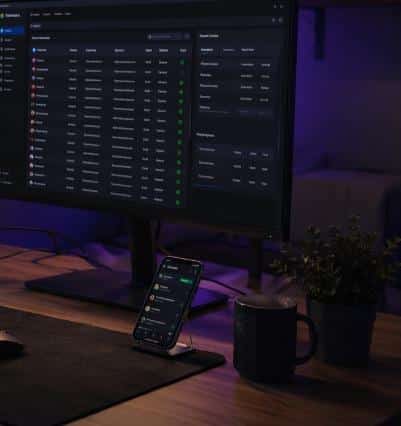
The panel is a web-based control interface that gives the reseller everything they need to run accounts. From it, they can generate subscription lines, set expiry dates, assign connection limits, enable trials, and monitor active sessions. Most panels support multi-screen options, meaning a single account can allow two, three, or four simultaneous streams depending on the package the reseller chooses to offer. The provider operates silently in the background. Every customer interaction belongs to the reseller.
How the Credit-Based Reseller System Operates
Credits function as the internal currency of the reseller model. When a reseller joins a panel, they purchase a block of credits upfront. Each time a subscription is created or renewed, credits are deducted at a fixed rate determined by the subscription length and the number of connections. A one-month single-screen line costs fewer credits than a three-month multi-screen package. The reseller sets their own retail pricing, and the margin between what they spend in credits and what they charge the customer is their profit.
The financial logic is straightforward. A reseller buying credits at a per-line cost of three dollars per month and selling subscriptions at ten dollars per month is operating a margin that scales as the customer base grows. Monthly renewals from an existing subscriber base generate income without requiring new acquisition work each cycle, which is where the recurring revenue element of the model becomes tangible.
Trial lines are part of the sales process. Most panels allow resellers to generate short trials, typically twenty-four to forty-eight hours, that let prospective customers test the service before committing. Converting those trials into paid subscriptions is where communication skills matter as much as stream quality.
What to Look for in a Panel Provider Before Starting
Selecting a panel provider is the most important decision a new reseller will make, and it deserves more scrutiny than most beginners give it. Server reliability is the first test. A provider with frequent outages or buffering issues during peak hours will generate complaints that a reseller cannot resolve, because the problem sits outside their control. Before purchasing a credit package, a reseller should run a trial subscription across multiple device types and test it during evenings and weekends when load is highest.
Channel stability matters more than channel count. A panel advertising tens of thousands of channels is only as good as the percentage that actually deliver consistently. Sports coverage is particularly critical for UK and European markets, where live football drives a large share of subscriber demand and an outage during a major match generates immediate cancellations.
Support responsiveness is non-negotiable. When a technical issue appears at eleven on a Saturday night, a reseller needs a provider that answers. Platforms like martcarto.shop have built a reputation in the reseller community for offering structured credit packages suited to beginners alongside accessible support channels, which makes them a practical starting point for someone new to the model.
How to Set Up Your Reseller Business Step by Step
After securing a panel account and an initial credit allocation, the practical build begins. A customer-facing presence does not need to be elaborate at the start. A clean landing page with pricing, a brief service description, and a contact method is enough to generate initial inquiries. The goal at this stage is credibility, not complexity.
WhatsApp and Telegram are the dominant communication platforms in this space. Most customers expect to reach their provider through one of these channels, and managing a starter customer base through them is entirely workable. As the subscriber count grows, tracking renewals becomes important. A spreadsheet recording each customer’s account details, expiry date, connection type, and contact information keeps the operational side from becoming chaotic.
Pricing should reflect market rates without sliding into a race to the bottom. Selling subscriptions at thin margins to acquire customers quickly creates pressure that becomes unsustainable during any period of server issues or churn. A reseller who charges a fair rate and consistently delivers a functioning service builds a retention base that compounds over time.
How to Find and Retain Clients as an IPTV Reseller
The first customers almost always come through personal networks and local community groups. Word of mouth is unusually effective in this market because the product is experiential. A satisfied customer refers others without any formal incentive structure in place, simply because the service saves them money and works reliably.
For UK-based IPTV resellers, presentation matters. A service that operates with a local identity, responds during reasonable hours, and communicates clearly carries more trust than an anonymous provider with no recognisable face. Operators like britishseller.co.uk have built credibility in the UK market by leaning into exactly those signals, and it reflects a positioning approach that any UK-facing reseller can learn from.
Retention is operationally simple in principle and demanding in practice. Customers who experience a disruption and receive a prompt response, along with a reasonable resolution, stay subscribed. Customers who send a message and hear nothing for two days find another reseller before the week is out. Being responsive is not a bonus feature of a well-run reseller business. It is the core of it.
Mistakes to Avoid in Your First Six Months
Overpromising is the most consistent failure point for new resellers. Eager to sign customers, some beginners describe channel counts and stream quality that their provider cannot reliably deliver. When those claims meet reality during a live event or a peak evening, the complaints arrive in volume and there is no credible answer to give.
Scaling too fast before understanding the panel interface creates operational problems that damage customer trust. A reseller who cannot confidently extend a subscription, reset a line, or identify why a customer is unable to connect will make errors that cost both time and goodwill.
Allowing credit balances to run low without monitoring them is a preventable mistake that catches resellers at the worst possible moment, exactly when renewals are due and customers expect continuity. Maintaining a credit buffer beyond immediate renewal needs is a basic discipline that pays off the first time it prevents a gap in service.
Choosing a provider based on credit price alone rather than performance track record is perhaps the most expensive mistake of all. The cheapest panels in the market tend to come with the least stable infrastructure, and the cost of losing customers to unreliable streams far outweighs any savings made on the wholesale rate.
Conclusion With a Call to Action
The IPTV reseller business rewards people who treat it like a business from day one. The panel handles the infrastructure. The provider handles the delivery. What a reseller brings is the customer relationship, the consistency, and the judgment to build something that retains subscribers rather than cycling through them.
The barrier to entry is low, the market is active, and the demand for affordable streaming continues to grow across every major market. Anyone willing to invest the time in understanding the model, choosing the right provider, and managing customers with genuine care for their experience has a realistic path to building a sustainable recurring income operation. The starting point is a panel account, a credit package, and the first conversation with a potential customer.