


The way people choose travel destinations is changing.
Attractions, weather, and price still matter. But a growing body of research suggests that ground-level transport, specifically how easy it is to move from an airport to a hotel, or from a gateway town to a trailhead, has become a meaningful filter in travel decision-making.
For a generation of travellers accustomed to digital booking and real-time tracking, friction in the transfer phase is no longer an inconvenience they are willing to absorb.
The Transfer Gap in Modern Travel
Global air passenger numbers recovered strongly from the pandemic period, with Airports Council International recording over 9 billion passengers processed worldwide in 2024.
But for each of those passengers, the journey did not end on the runway.
The connection between airport terminals and final destinations remains one of the least standardised parts of the travel experience, varying widely in reliability, cost, and accessibility across markets.
A 2024 survey by the Global Business Travel Association found that 61 percent of frequent travellers rated ground transport reliability within the top three factors affecting their overall trip satisfaction.
That figure positions ground connectivity alongside flight punctuality and accommodation quality, marking a shift from how the sector was viewed even five years ago.
Digital Expectations Are Raising the Bar
Travellers who routinely book flights, accommodation, and tours through mobile apps now expect the same digital simplicity from ground transport.
Pre-bookable services with confirmed schedules, fixed pricing, and real-time driver tracking have moved from premium features to baseline expectations.
Operators that still rely on phone reservations or walk-up queuing are visibly losing ground to digitally integrated alternatives.
This shift is evident across all major travel markets but is particularly pronounced among travellers under 40, who consistently report a preference for pre-arranged, app-accessible transport options over on-demand street-level alternatives.
Regional Airports and the Connectivity Challenge
Major international airports in large cities generally benefit from established rail, metro, and rideshare networks.
Regional airports serving smaller cities and rural destinations face a different reality.
New Zealand presents a clear illustration of the gap. The country receives millions of international visitors annually, many of whom travel beyond the main centres of Auckland and Christchurch to reach smaller regional destinations.
Dunedin, on the South Island’s southeast coast, is one of the country’s most visited regional cities. Travellers arriving for wildlife experiences, heritage tourism, or the broader Otago region face a practical decision the moment they land.
Pre-arranged shuttle services have become the most reliable transfer option for international visitors unfamiliar with local road conditions or rental requirements. For those making the trip, being able to book your Dunedin airport shuttle in advance alongside other travel components has become a standard part of itinerary planning rather than an afterthought.
The pattern reflects a broader trend: regional destinations that support pre-bookable, structured ground transport see stronger visitor conversion from interest to confirmed travel.
Adventure Tourism and the Last-Mile Problem
The same transport challenge appears in a different form within the adventure and outdoor tourism sector.
Nature-based travel has grown significantly since 2022. The Adventure Travel Trade Association’s 2024 global report recorded a 21 percent year-on-year increase in adventure tourism, with hiking, national parks, and trail-based experiences accounting for the largest share of that growth.
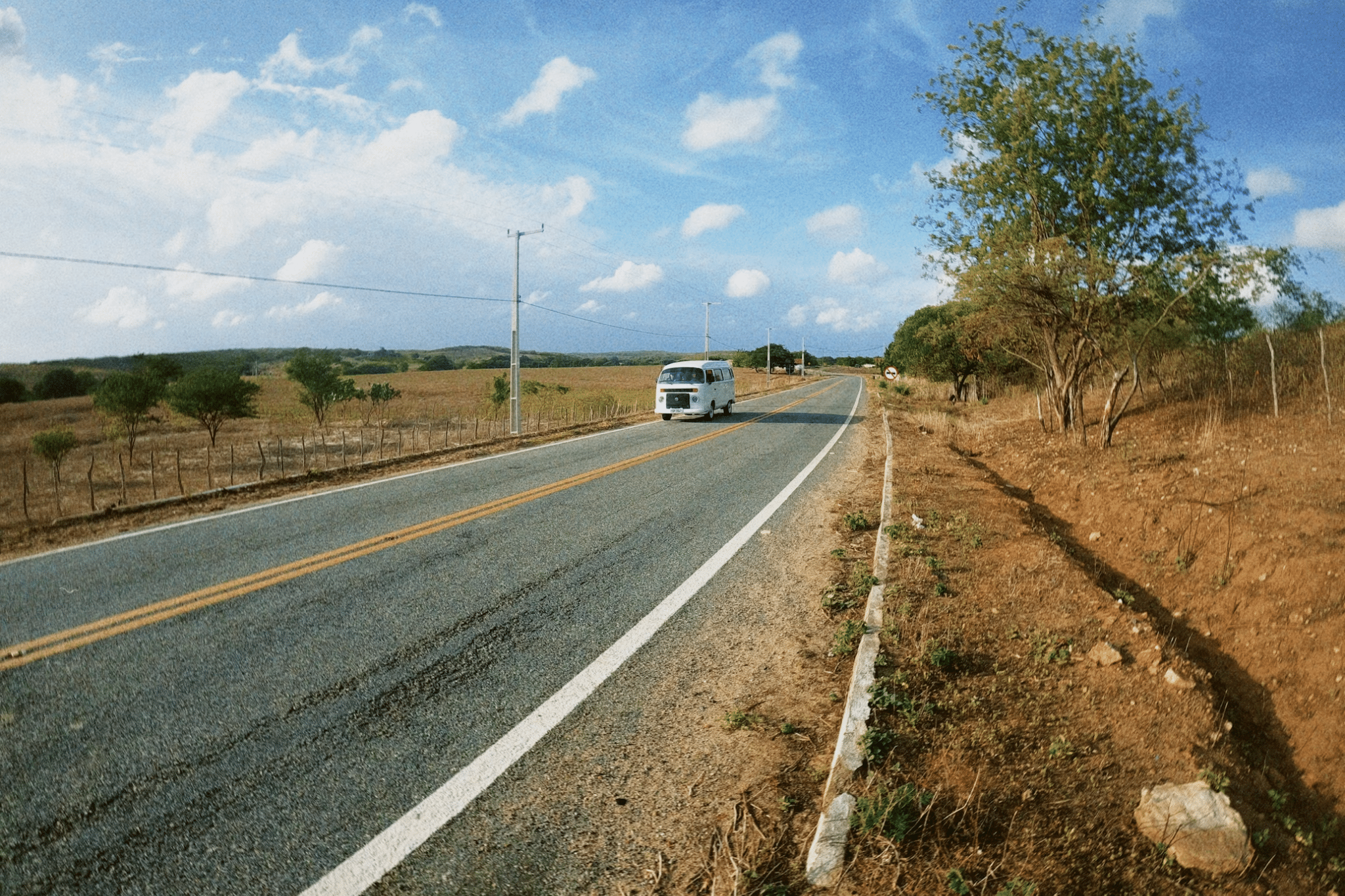
These destinations do not come with metro stations or rideshare networks.
Travellers wishing to access remote trailheads or conservation areas frequently require dedicated transport that operates on a schedule aligned with hiking start times, park opening hours, and safety curfews.
Without that infrastructure, interest in a destination does not always translate into a visit.
New Zealand’s Tongariro Alpine Crossing is one of the most prominent examples in the region.
Widely regarded as one of the finest single-day walks in the world, the crossing draws visitors from across Asia, Europe, and North America. Its remote volcanic terrain requires travellers to arrive at the trailhead by specific times and to have confirmed return transport arranged before departure.
Shuttle services operating on fixed morning schedules have become essential to the visitor experience. For international travellers, the ability to book the Alpine crossing shuttle as a confirmed, scheduled service rather than relying on ad hoc transport has been recognised by regional tourism operators as a critical factor in visitor confidence.
Tourism New Zealand’s destination data supports this observation, noting that perceived logistical difficulty is one of the primary reasons travellers cite for deferring or cancelling nature-based travel plans.
What Operators and Destinations Can Learn
The data points to a consistent pattern across both urban transfers and remote destination transport.
Travellers are not deterred by distance or unfamiliar terrain. They are deterred by uncertainty.
When transport is pre-bookable, schedule-confirmed, and digitally accessible, the friction that previously caused hesitation largely disappears. A well-designed airport experience that extends from the terminal through to the final destination creates the kind of seamless journey that drives positive reviews and repeat visitation.
Destinations that have invested in structured transport infrastructure consistently outperform comparable locations that have not, across visitor satisfaction scores, average length of stay, and tourist spend per visit.
The McKinsey Global Mobility report of 2024 noted that transport providers offering fully digital, pre-confirmed services recorded customer satisfaction scores 34 percent higher than those relying on manual booking systems.
The Forward Picture
Transport infrastructure has historically been viewed as a support function in tourism, a means to an end rather than part of the product itself.
That view is becoming harder to sustain.
As traveller expectations rise and digital booking becomes the norm across every other segment of the travel journey, ground transport is being held to the same standard.
The destinations and operators that recognise this earliest are better positioned to attract and retain the international visitors who are driving the sector’s growth.
For travel planners and destination managers, the strategic question is no longer whether transport matters. It is how quickly the gap between traveller expectations and current provision can be closed.