

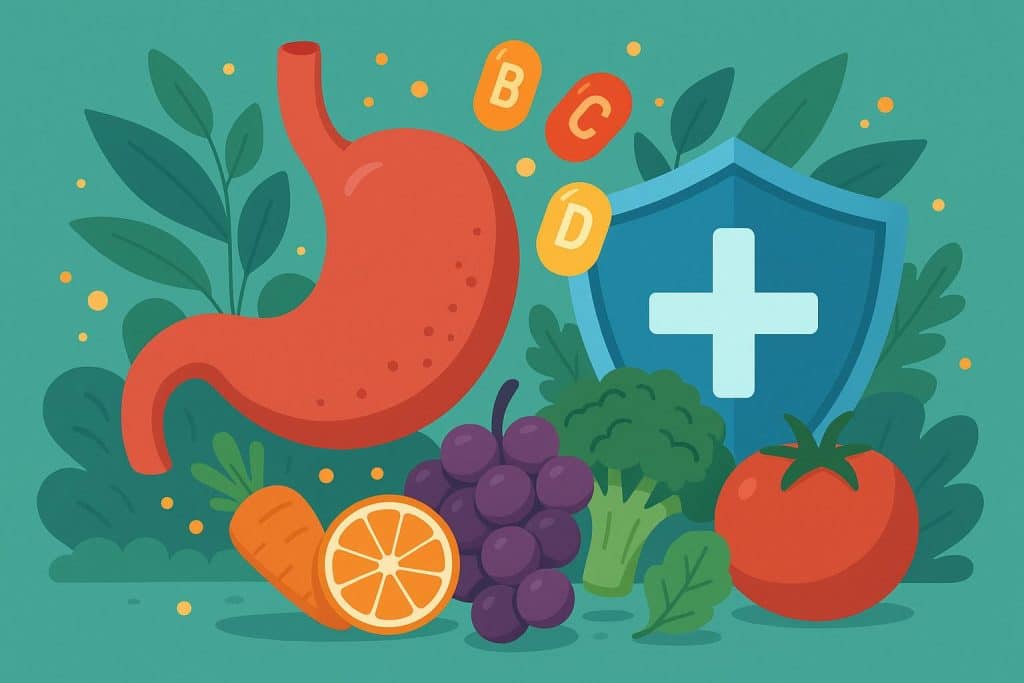
There’s something comforting about knowing that the body has its own built-in defense system. Every day, it works quietly behind the scenes, keeping out harmful invaders and helping people stay healthy without them even noticing. Despite its effectiveness, this system is highly dependent on nutritional intake, with diet playing a critical role in supporting its function.
Among these nutrients, vitamins play an essential role in supporting both gut health and immune strength. Although the gut may appear to be a separate system, it actually houses the majority of the body’s immune cells. Their connection is closer than most people realize.
Understanding how vitamins help both systems thrive isn’t about memorizing medical facts. It involves recognizing how everyday choices—such as maintaining a balanced diet or taking appropriate supplements—can make a big difference in overall wellness. For those looking to strengthen their natural defenses, learning more about vitamins for immune system support is a great place to start.
The Gut: Where Health Begins
The gut isn’t just about digestion. It’s the command center for much of the body’s wellness, and it communicates constantly with the immune system. A healthy gut helps the body absorb nutrients efficiently, regulate inflammation, and protect against harmful bacteria. When the gut is off balance, the immune system tends to follow.
The Role Of Vitamins In Gut Balance
Vitamins help nourish the cells that line the gut, ensuring this barrier stays strong. For instance, vitamin A contributes to maintaining the integrity of the intestinal lining, preventing unwanted particles from slipping through. B vitamins, particularly B2 and B7, aid in energy production for gut cells, enabling them to repair and renew themselves.
Vitamin D, often known for supporting bone health, also plays a significant role in gut regulation. It encourages the growth of beneficial bacteria and helps reduce inflammation within the digestive tract. Together, these vitamins maintain a balanced environment—one that supports both digestion and immunity.
How Gut Bacteria Influence Immune Strength
A vibrant collection of gut bacteria, sometimes called the microbiome, is key for training and regulating the immune system. Vitamins support this process by feeding these microorganisms, helping them thrive. For example, certain B vitamins and vitamin K are produced within the gut itself by friendly bacteria, creating a powerful feedback loop of nourishment and protection.
When this balance is disrupted, the immune system may become overactive or sluggish. Proper vitamin intake helps restore this equilibrium, ensuring that immune responses remain well-tuned and ready for whatever challenges come their way.
The Importance Of Diet Over Supplements Alone
While supplements can be helpful, vitamins are best absorbed as part of a varied diet rich in fruits, vegetables, whole grains, and lean proteins. Foods high in fiber not only promote healthy digestion but also feed good bacteria that, in turn, produce compounds that strengthen the immune system. A colorful plate is often a sign of nutrient diversity, and that diversity supports both gut and immune health in harmony.
The Immune System: The Body’s Defense Network
The immune system works tirelessly, scanning for invaders and responding to threats. It’s a complex network of cells, tissues, and organs that depends on proper nourishment to perform well. A strong immune system doesn’t just react to illness—it prevents it from taking hold in the first place.
How Vitamins Activate Immune Responses
Vitamins are part of the message chain that tells immune cells how to act. Vitamin C, for instance, supports the production and function of white blood cells while also acting as an antioxidant that protects them from harm. Vitamin E shields cell membranes from damage caused by free radicals, preserving the vitality of immune cells.
Vitamin D again stands out here—it helps activate T-cells, which are critical in identifying and attacking pathogens. Without enough of this vitamin, the immune system can struggle to recognize and fight infections effectively.
Nutrients That Reduce Inflammation And Stress
When the body experiences constant stress—whether emotional or physical—the immune system can weaken. Some vitamins help reduce this impact. B vitamins are particularly important because they support the nervous system, helping to regulate the body’s stress response. When stress levels stay under control, inflammation throughout the body decreases, and immune cells can do their work more efficiently.
Vitamin C also helps moderate levels of cortisol, a hormone released during stress. By managing both inflammation and stress together, vitamins support not just the immune system but overall emotional balance as well.
Working Together: A Symbiotic Relationship
The connection between the gut and immune system is not a one-way street. The gut educates the immune system, and the immune system, in turn, protects the gut. Vitamins act as the crucial link between these two systems, ensuring that each can perform its role without strain.
When the gut microbiome is balanced, it signals calm and stability to immune cells throughout the body. A well-nourished immune system, supported by vitamins and healthy bacteria, can then respond appropriately—attacking harmful invaders without overreacting to harmless triggers. This balance is the foundation of long-term wellness.
Simple daily habits—like maintaining a varied diet, getting sufficient sunlight for vitamin D, and staying properly hydrated—can significantly strengthen the body’s natural defenses. The key is consistency. Vitamins don’t act as instant fixes. They quietly build a foundation, strengthening internal systems together.
In the end, caring for gut health and the immune system isn’t about chasing perfection. It’s about understanding how interconnected the body truly is and giving it what it needs to do its job. Through mindful nourishment and simple, sustainable habits, it’s possible to help both systems thrive—making every day a little stronger from the inside out.