

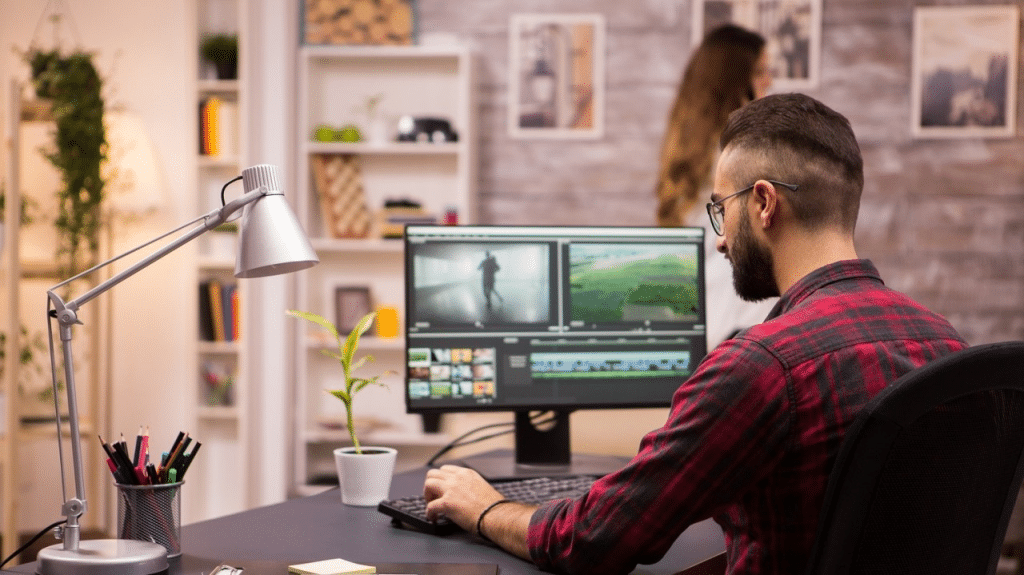
In the digital era, video content has become one of the most effective ways to engage audiences. Whether it’s for social media marketing, personal storytelling, or brand promotion, videos outperform static images in capturing attention, conveying messages, and driving engagement. Traditionally, creating videos required technical skills, editing software, and significant time. Today, image to video AI has revolutionized this process, allowing users to convert photos into dynamic videos in seconds.
With image to video technology, even beginners can produce cinematic-quality videos without any prior editing experience. In this article, we will explore how image to video ai works, its benefits, applications, and why it’s transforming content creation across industries.
What Is Image to Video AI?
Image to video AI is an artificial intelligence technology that transforms static images into motion videos. Using advanced algorithms, the AI identifies key elements in an image, such as the subject, background, and objects, and predicts movement to generate intermediate frames. These frames are then combined to create smooth and engaging animated videos.
Unlike traditional video editing that relies on manual work with keyframes, transitions, and timelines, image to video platforms automate the entire process. Users simply upload their images, choose a motion style or cinematic effect, and the AI generates the video. This simplicity makes it accessible to everyone, from social media creators to marketing professionals.
Benefits of Image to Video AI
1. Speed and Efficiency
One of the biggest advantages of image to video AI is speed. What traditionally could take hours or days now takes seconds. Users can generate multiple videos quickly, making it ideal for fast-paced marketing campaigns or social media trends.
2. Cost-Effective Video Creation
Professional video production can be expensive due to software, equipment, and editing services. AI platforms provide an affordable alternative, allowing individuals and businesses to create high-quality videos without significant financial investment.
3. User-Friendly
Most image to video tools are designed for simplicity, enabling beginners to produce professional-looking videos without prior editing experience. This makes video creation accessible to marketers, small business owners, and hobbyists alike.
4. Increased Engagement
Animated videos attract more attention than static images. Using image to video AI, brands can turn product photos, illustrations, or promotional images into engaging motion content, boosting viewer interaction and social media performance.
5. Creative Flexibility
AI platforms often provide multiple motion styles, cinematic presets, text overlays, and soundtracks. This allows users to experiment creatively and produce unique videos tailored to their brand or content strategy.
Applications of Image to Video AI
Social Media Marketing
Social media platforms thrive on engaging visual content. With image to video AI, marketers can convert static posts into dynamic videos optimized for Instagram, TikTok, Facebook, and YouTube. This increases visibility, reach, and user interaction.
Product Demonstrations
Businesses can animate product images to create demonstration videos. This is particularly useful for e-commerce stores, showcasing features and benefits in an engaging format.
Storytelling and Personal Use
Creators can turn vacation photos, artwork, or illustrations into cinematic stories. Image to video technology makes storytelling more compelling, allowing users to add depth and emotion to their content.
Educational Content
Educators can animate diagrams, charts, and infographics to make learning more interactive. Animated videos help explain complex concepts clearly and keep students engaged.
Branding and Advertising
Companies can use image to video AI for ad campaigns, transforming logos, banners, and promotional images into videos that enhance brand visibility and engagement.
Corporate Presentations
Static presentations can be transformed into animated videos, making meetings and pitches more engaging and professional.
Tips for Creating Effective Videos with Image to Video AI
- Use High-Resolution Images – Clear images result in smoother motion and better video quality.
- Choose Motion Presets Wisely – Test different presets like zoom, pan, or parallax to find the style that best fits your content.
- Include Branding Elements – Logos, colors, and text overlays ensure consistency across videos.
- Keep Videos Short and Engaging – Shorter videos retain attention better, especially on social media platforms.
- Test Multiple Versions – Experiment with various motions and effects to identify the most engaging video for your audience.
Limitations of Image to Video AI
While image to video AI is powerful, it’s important to note some limitations:
- Complex images may result in unnatural motion.
- Free or basic plans may include watermarks or limit features.
- Advanced cinematic effects may require paid subscriptions.
- Video quality depends heavily on the resolution and clarity of the original images.
Despite these limitations, the advantages of speed, accessibility, and cost-effectiveness make image to video technology an essential tool for modern content creation.
The Future of Image to Video AI
The potential of image to video AI continues to expand. Future trends may include:
- Realistic 3D motion and depth effects for cinematic quality
- AI-generated voiceovers and captions integrated automatically
- Faster rendering of high-resolution videos for professional use
- Integration with analytics to optimize social media and marketing performance
As AI technology evolves, image to video tools will become even more essential for creators, marketers, and businesses looking to produce high-quality, engaging content quickly.
Conclusion
Image to video AI is transforming the way digital content is created, allowing users to convert static images into dynamic, cinematic videos in seconds. These platforms save time, reduce costs, and make professional-quality video production accessible to everyone, from beginners to marketing professionals.
With applications in social media marketing, product demonstrations, storytelling, branding, and corporate presentations, image to video tools are versatile and impactful. By leveraging AI-generated motion, cinematic presets, and creative flexibility, creators and businesses can produce engaging videos that capture attention and drive results.
As we move further into the era of AI-driven content, image to video AI will continue to redefine how we create, share, and experience digital media, making it an indispensable tool for anyone looking to tell compelling visual stories.