

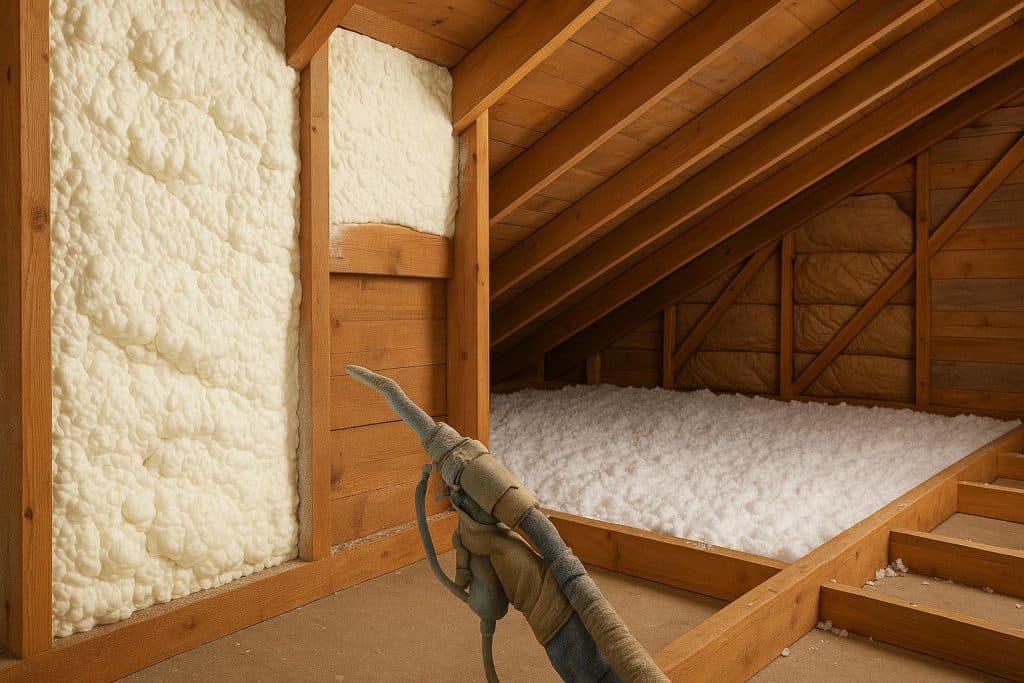
Spray foam and attic insulation play a vital role in how homes manage temperature, airflow, and energy use throughout the year. Many comfort issues inside a home can be traced back to the attic, where heat gain and loss often occur unnoticed. When insulation is inadequate or outdated, conditioned air escapes easily, forcing heating and cooling systems to work harder. Spray foam and modern attic insulation solutions focus on sealing gaps and creating a more stable indoor environment. Rather than acting as a simple barrier, insulation becomes an active component in maintaining comfort, reducing drafts, and supporting consistent indoor temperatures across changing seasons.
Ways of improving home efficiency
How Insulation Affects the Home
Attic insulation influences more than temperature alone, shaping how a home feels and functions day to day. Heat rises naturally, and without proper insulation, it escapes through the attic in colder months while excessive heat enters during warmer periods. Spray foam addresses this issue by expanding into cracks and seams, reducing unwanted air movement. Traditional insulation methods often leave small gaps that allow airflow to continue. By focusing on air sealing and thermal resistance together, insulation improves comfort in living spaces below. This approach helps maintain balanced indoor conditions while reducing stress on heating and cooling equipment, making insulation a foundational element of overall home performance.
Spray Foam and Attic Coverage
Spray foam insulation provides a different approach to attic insulation compared with older materials. Instead of resting loosely between framing, spray foam adheres directly to surfaces, creating a continuous layer that limits air infiltration. This seamless coverage reduces temperature fluctuations and helps control moisture movement. Many homeowners learn about installation options through companies such as First Defense Insulation, especially when addressing persistent comfort issues tied to attic performance. Spray foam’s ability to fill irregular spaces makes it particularly effective in attics with complex framing. When applied correctly, it transforms the attic into a more controlled environment rather than a source of energy loss.
Air Sealing and Energy Control
One of the most significant advantages of spray foam insulation is its impact on air sealing. Attics often contain numerous penetrations for wiring, vents, and structural elements, all of which can allow air leakage. Spray foam expands to seal these openings, limiting the movement of unconditioned air into the home. This air control reduces drafts and helps maintain steady indoor temperatures. By minimizing uncontrolled airflow, insulation supports energy efficiency and creates a more predictable indoor climate. Over time, improved air sealing reduces energy demand and creates a quieter, more comfortable living space.
Moisture Management in Attic Spaces
Moisture control is another critical factor influenced by attic insulation. Warm, moisture-laden air can enter the attic and condense on cooler surfaces, potentially causing long-term issues. Spray foam insulation helps manage this process by reducing air movement that carries moisture into the attic. By reducing condensation risk, insulation helps maintain healthier attic conditions and protects structural materials. Balanced moisture levels also improve indoor air quality, as excess humidity can reduce comfort. Proper insulation creates an environment where moisture is less likely to accumulate, supporting durability and comfort throughout the home.
Attic Insulation and Seasonal Comfort
Seasonal changes place different demands on a home’s insulation system. During summer, the attic can become extremely warm, transferring heat into living spaces below. In winter, heat loss through the attic can make rooms feel colder and uneven. Spray foam and modern attic insulation respond to these shifts by maintaining consistent thermal resistance year-round. This stability helps reduce temperature swings and supports a more even distribution of comfort across the home. When insulation performs reliably in all seasons, occupants experience fewer hot or cold spots and enjoy a more balanced indoor environment.
Long-Term Value of Insulation Upgrades
Upgrading attic insulation delivers long-term value by addressing the root causes of comfort and efficiency challenges. Rather than compensating with higher energy use, insulation improvements help homes perform more effectively. Over time, consistent indoor conditions reduce wear on heating and cooling systems. Attic insulation also helps keep interiors quieter by reducing outside noise infiltration. These benefits accumulate gradually, enhancing daily comfort and contributing to a more resilient home structure. Insulation upgrades represent an investment in a home’s performance over many years, rather than a short-term adjustment.
A Stable Indoor Environment
Spray foam and attic insulation work together to create a stable indoor environment that adapts to changing conditions without constant intervention. By sealing gaps, controlling airflow, and managing moisture, insulation supports comfort in every season. Homes with well-insulated attics feel more consistent, quieter, and easier to maintain. This stability reduces reliance on mechanical systems and enhances overall quality of life. When insulation is approached thoughtfully, it becomes a key contributor to long-term comfort, efficiency, and home performance rather than an unseen background element.