

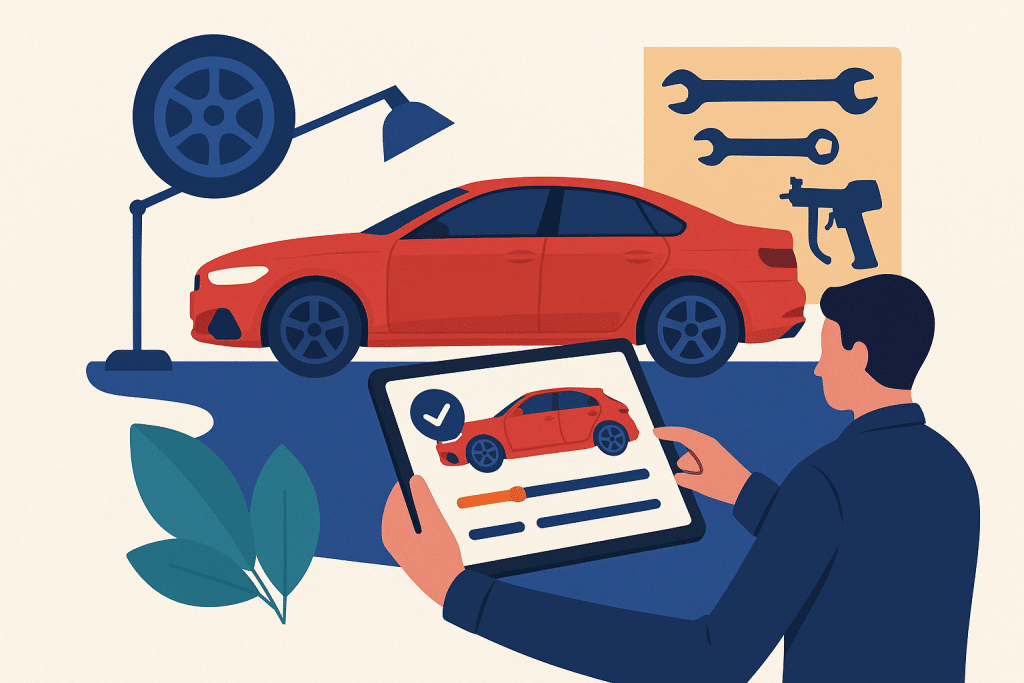
Key Takeaways
- Advanced technologies like AI and IoT are revolutionizing vehicle customization.
- Sustainable materials and practices are becoming central to automotive personalization.
- Digital tools such as AR and VR are enhancing the design and installation processes.
- Collaborations between tech companies and automakers are driving innovative customization solutions.
Advancements in automotive customization are quickly redefining what it means to personalize a vehicle. From smart technologies to sustainable materials, the landscape is shifting in innovative directions. For vehicle owners looking to upgrade, enhancements like car window tinting offer an accessible entry point to customization, integrating both style and function. These services not only enhance aesthetics but also improve overall comfort and privacy, aligning with the broader trend of technology-driven upgrades.
Today’s automotive modifications go far beyond exterior paint or basic accessories, transforming into an ecosystem where connectivity, user experience, and sustainability converge. The integration of digital solutions is making it easier for car enthusiasts and everyday drivers alike to express their individuality on the road. This shift is supported by a growing market that values both performance and eco-friendliness, highlighting how far the industry has evolved.
Recognizing these shifts, experts and automakers are embracing new practices and materials, resulting in highly tailored, smart vehicles that adapt seamlessly to drivers’ needs. With the increasing prevalence of digital tools and sustainable enhancements, automotive customization is now as much about advanced technology as it is about personal expression.
This expanding customization landscape is also attracting attention from beyond traditional industry circles, inspiring collaborations that are pushing the boundaries of what’s possible for vehicle personalization. As sustainability remains central, more drivers are seeking options that do not compromise environmental stewardship for style or functionality.
Alongside the surge in digital and eco-friendly solutions, services like auto window tinting continue to gain popularity, blending practical benefits with high-value personalization for car owners.
Smart Technologies in Vehicle Customization
The advent of Artificial Intelligence (AI) and the Internet of Things (IoT) has sparked a transformation in how drivers experience and personalize their vehicles. These technologies are used to create cars that learn from individual preferences, such as itinerary choices, music preferences, and climate-control settings. AI-powered infotainment systems now recommend routes, optimize fuel usage, and even suggest entertainment options based on past behavior.
IoT technology allows owners to control vehicle functions and monitor performance in real time using smartphones or voice assistants. Innovations like remote engine start, geo-fencing, and advanced driver assistance systems are integrating seamlessly into custom car builds. These customizations aren’t just for luxury vehicles—mid-range and entry-level models are now offering similar options, making smart automotive technology widely accessible.
Sustainable Customization Practices
Sustainability continues to influence every facet of the automotive sector, especially customization. Car owners are embracing environmentally friendly options, from recycled, low-impact materials for interior trims to eco-conscious paints and finishes. Upcycled fabrics, vegan leathers, and bamboo accents offer attractive, ethical choices for bespoke interiors.
Performance modifications are also aligning with Earth-friendly priorities. Hybrid conversions and fully electric powertrain swaps are increasingly available, while modern exhaust upgrades now prioritize emissions reduction. According to Forbes, the adoption of these practices is forecast to accelerate as regulations tighten and consumers become more environmentally aware.
Digital Tools Enhancing Design and Installation
The use of Augmented Reality (AR) and Virtual Reality (VR) is making automotive customization more accessible and interactive. Customers and designers can now preview modifications such as wheels, paint, and spoilers in a virtual environment that matches their actual vehicle. This innovation not only aids design decisions but also reduces costly mistakes and installation errors.
Virtual Customization for Precision and Confidence
AR overlays provide precise visualizations, ensuring every part fits as intended and giving clients confidence in their choices. VR showrooms enable immersive design sessions from anywhere, giving customers unprecedented involvement in creating their customized vehicle. These digital tools are expected to become standard features as consumer expectations for personalization rise.
Collaborations Driving Innovative Customization
As technology blurs the lines between automotive manufacturing and software development, cross-industry collaborations are shaping a new era of vehicle personalization. One standout example is the collaboration between Machina Labs and Toyota, which focuses on advanced manufacturing methods that deliver custom body panels and parts at scale, without compromising quality.
These partnerships are fueling rapid prototyping and low-volume manufacturing, enabling unique vehicles that were previously only possible through costly, bespoke work. Automakers are also working with tech startups to integrate over-the-air updates and modular accessory options, effectively future-proofing vehicles and keeping them aligned with evolving driver needs.
Conclusion
A blend of new technology, eco-friendly practices, and creative collaborations is leading the evolution of automotive customization. As drivers increasingly seek smart, sustainable, and tailor-made solutions for their vehicles, these innovations are expected to become the new standard. Looking ahead, the fusion of AI, IoT, digital visualization tools, and sustainable materials positions the future of vehicle personalization as both highly individualized and environmentally responsible.