

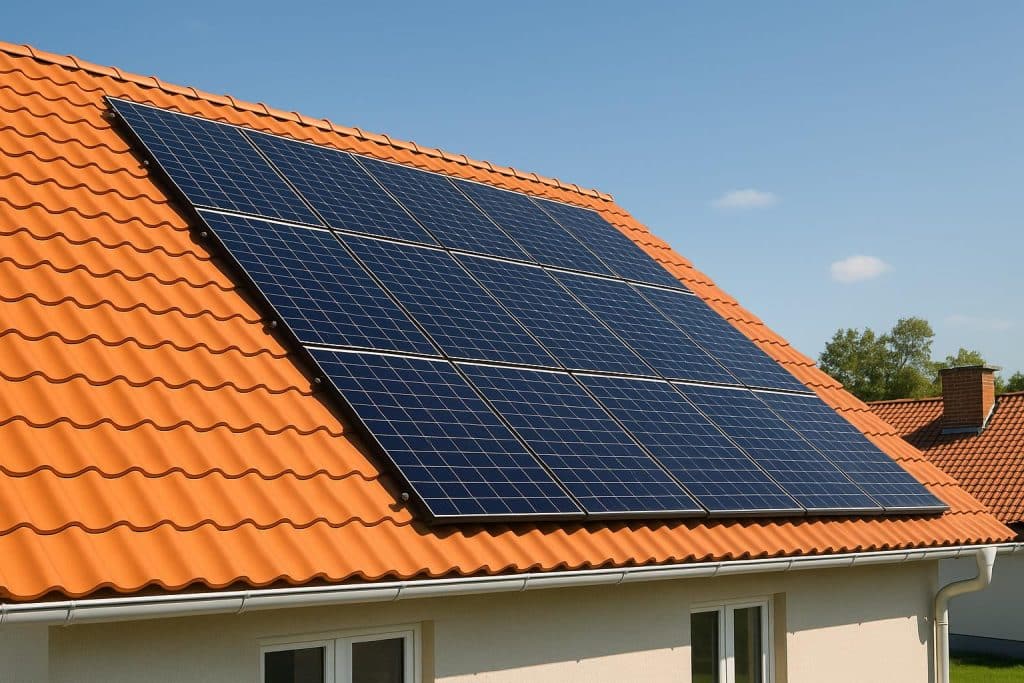
Coordinating a roof replacement with solar panel installation requires careful planning and strategic timing. Homeowners throughout Rhode Island, Massachusetts, and Connecticut increasingly recognize the value of synchronizing these two major home improvements to maximize efficiency, minimize costs, and ensure long-term structural integrity.
Why Timing Matters for Combined Projects
When your roof needs replacement within 5-10 years, scheduling solar installation afterward creates unnecessary expenses and complications. Integrated solar and roof replacement allows contractors to address structural requirements, optimize panel placement, and coordinate warranties under a unified project timeline. This approach eliminates the need to remove and reinstall panels later, saving thousands in labor costs.
Regional climate considerations further emphasize timing importance. New England weather patterns subject roofing materials to significant seasonal stress. Installing solar panels on an aging roof risks premature degradation beneath the array, where inspection and repair become substantially more difficult and expensive.
Structural Considerations and Load Assessment
Combined projects enable comprehensive structural evaluation before solar installation. Engineers assess roof framing capacity, identify reinforcement needs, and ensure proper load distribution for panel arrays. This proactive approach prevents costly modifications after solar installation.
Modern solar panels, mounting hardware, and snow accumulation create additional roof loads ranging from 3-5 pounds per square foot. Older homes may require rafter reinforcement or decking upgrades to safely support these combined loads throughout the system’s 25-30 year lifespan. Addressing structural requirements during roof replacement proves far more cost-effective than retrofitting later.
Warranty Coordination and Long-Term Protection
Separate roofing and solar projects create warranty complications when issues arise. Coordinated roof solar replacement establishes clear responsibility lines and synchronized warranty periods. Sunfinity Power’s integrated approach ensures both roofing materials and solar equipment carry compatible warranty terms, eliminating finger-pointing between contractors if problems develop.
Premium roofing materials now carry 50-year warranties, closely matching solar panel performance guarantees. Coordinating installation dates means these warranties run concurrently, protecting your investment throughout both systems’ operational lifespans. This alignment simplifies maintenance planning and future upgrade decisions.
Installation Efficiency and Cost Savings
Combined projects reduce overall labor costs by 15-25% compared to separate installations. Contractors mobilize once, coordinate permitting together, and complete work during a single project timeline. Scaffolding, safety equipment, and site preparation costs are shared rather than duplicated.
Material coordination further enhances efficiency. Roofing contractors can install specialized mounting brackets during roof replacement, creating optimal attachment points for solar arrays. This structural integration planning produces cleaner installations with better weather sealing and reduced penetration points.
Project Timeline and Planning Steps
Successful coordinated projects typically span 3-6 months from initial assessment to final inspection. Planning begins with simultaneous roof and solar evaluations, including structural assessment, energy analysis, and financial modeling. This dual evaluation identifies optimal panel placement while accounting for roof geometry, shading factors, and local building codes.
Permitting processes run concurrently, reducing overall approval timelines. Many municipalities now offer expedited review for combined renewable energy and building improvement projects, particularly when licensed contractors manage both scopes. Rhode Island, Massachusetts, and Connecticut maintain streamlined solar permitting systems that further accelerate approvals.
Construction sequencing follows a logical progression: roofing crews complete structural work, install new decking and weather barriers, then coordinate with solar installers for mounting system integration. This phased approach maintains quality control while minimizing weather exposure during construction.
Choosing the Right Contractor Partnership
Successful combined projects require contractor expertise in both disciplines. Companies like Sunfinity Power that maintain in-house roofing and solar capabilities eliminate coordination challenges inherent in multi-contractor projects. Single-source responsibility streamlines communication, accelerates problem-solving, and ensures warranty clarity.
Verify contractors hold current licenses for both roofing and solar work in your state. Rhode Island, Massachusetts, and Connecticut maintain distinct licensing requirements for each trade. Contractors managing integrated projects should demonstrate proven experience coordinating these complex installations while maintaining compliance with evolving building codes and utility interconnection standards.
Request references from completed combined projects, specifically asking about timeline adherence, budget management, and post-installation support. The most reliable contractors provide comprehensive project documentation, detailed warranty information, and ongoing maintenance guidance for both roofing and solar systems throughout their operational lifespan.