

John Mickelson is a Utah-based wealth manager and founding partner of Wealth Advocates, LLC, in Logan, where he has spent more than three decades advising retirees and small business owners on retirement, estate, and wealth-planning strategies. Since establishing the firm in 1995, John Mickelson has worked closely with investment and insurance providers to help clients preserve and grow assets across market cycles. He holds the Chartered Financial Consultant designation and is an Advanced Estate Planner, credentials that reflect his long-standing commitment to professional education and fiduciary responsibility.
Beyond his financial practice, John Mickelson maintains an active lifestyle that includes skiing, tennis, and other outdoor pursuits common to the Mountain West. This personal interest in staying active aligns naturally with topics such as hiking, an accessible activity that supports physical health, mental clarity, and long-term wellbeing. Understanding the basics of hiking preparation, safety, and gear is especially valuable for beginners who want to explore the outdoors confidently while building habits that support an active and balanced life.
Hiking Basics Every Beginner Should Know
Hiking is a fun activity to do outdoors by yourself or with friends and family. The recreational activity involves travelling along established paths in mountains, hills, coastlines, or forests on foot. Hiking is not only a physical exercise, but it is also an effective way to clear the mind and connect with your natural environment. Without any prior experience, however, it can be intimidating, so here are a few tips to prepare you for your first hike.
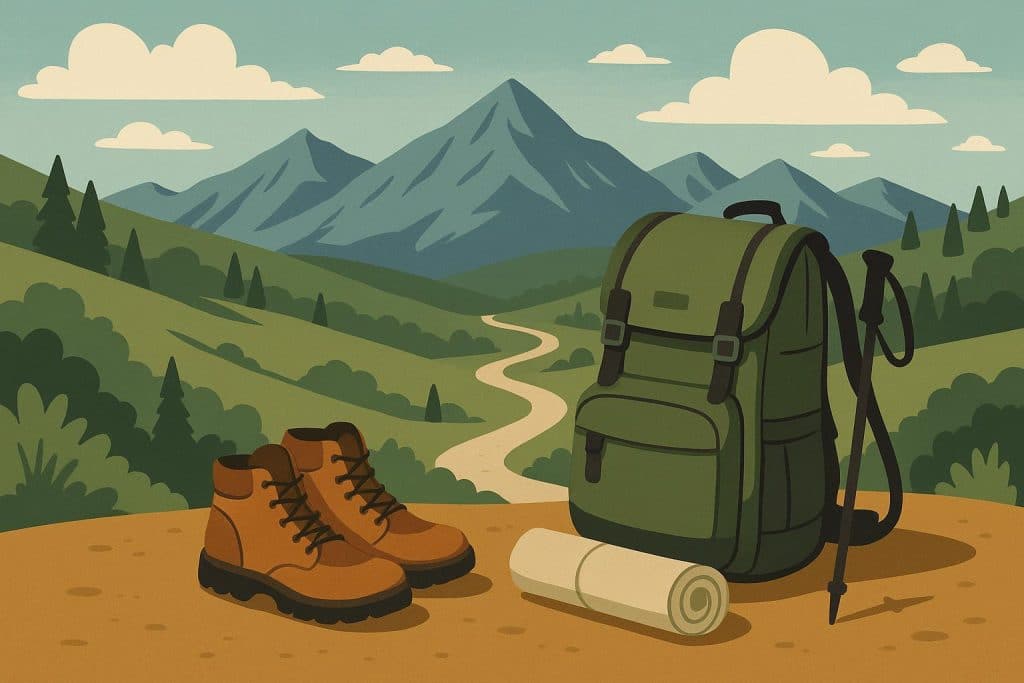
A perfect place to start is your hiking gear. Carry a backpack; any backpack works as long as it fits you well, is comfortable, and is big enough to hold all of your gear. If you are hiking in a hot environment, pack some sunscreen to prevent sunburn. Trekking poles, also known as hiking rods, are useful when walking steep slopes or bumpy roads to increase stability and protect your joints. If you or a fellow hiker gets injured, a first aid kit is a must-have. Bring along a pocket knife; it will come in handy for cutting ropes and making small fixes. And don’t forget to pack some insect repellent to ward off bugs.
If you need to use the bathroom at some point during the hike, you should find a spot that is hidden and away from the trail, dig a “cathole” about six to eight inches deep. You can do this with a small trowel or trekking pole. When you’re done, clean up with toilet paper or a rag and bury your waste. Not leaving any rubbish behind is standard hiking etiquette. Put your used toilet paper in a sealable plastic bag and dispose of it elsewhere.
Keep the weather in mind when deciding how to dress for a hike. For hot weather, wear lightweight pants that will protect your legs from thorns, insects, or poisonous plants and also prevent you from sweating and chafing. If it’s cold, layer thick wind and waterproof pants over leggings to help keep in warmth. For shirts, wear long, breathable shirts or simple t-shirts, which help reduce sweating and hide odors. Layer a waterproof jacket over your shirt if you are hiking in a cold environment. As for shoes, any athletic shoe with a decent grip at the bottom is okay. Sneakers can work, but they may be risky to use on slippery surfaces. “Hiking shoes” can also be purchased from stores; they provide better traction and are not too heavy. Some other clothing items that can be useful on a hike are hats to protect the back of your neck and ears from sunburn. Sunglasses also protect the eyes from sunlight, dust, and debris.
When you get hungry, nuts, bars, trail mix, and dehydrated fruits are all great to snack on while hiking because they are portable, packed with nutrients, and do not spoil quickly. Food provides you with energy while hiking and ensures that you stay focused. Water is even more important to bring along; you need approximately half a liter of water per hour to stay hydrated in moderate weather, so pack as many water bottles as you can.
Although hiking is a great solitary activity, it is not a good idea to hike alone as a beginner. Go with family, friends, or more experienced hikers. An experienced hiker will help you with navigation and provide useful tips. Hiking in groups provides you with more safety than going on your own. If you or any member of your group happens to encounter an accident or security threat, you are all guaranteed more protection. Hiking is also a great way to meet new people and bond with friends and family. You might need to go on group hikes a couple of times before you are finally ready to go on a solo hike.
About John Mickelson
John Mickelson is a wealth manager and founding partner of Wealth Advocates, LLC, in Logan, Utah. With more than 30 years of experience, he specializes in retirement, estate, and business planning for individuals and small business owners. A Chartered Financial Consultant and Advanced Estate Planner, he has earned multiple industry honors and remains active in professional councils. Outside of work, John Mickelson enjoys skiing, tennis, and maintaining an active lifestyle.