

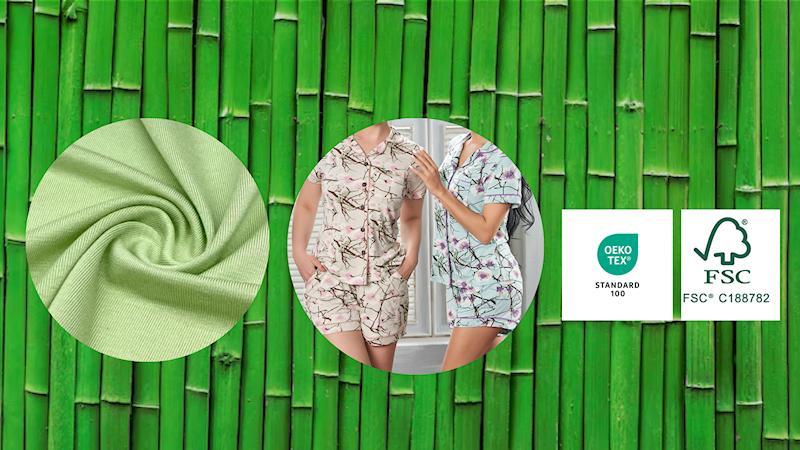
Bamboo pajamas are loved for their softness, breathability, and eco-friendly appeal, but not all fabrics or manufacturers are created equal. Knowing which certifications really matter can help brands make better choices, from ensuring high-quality materials to working with manufacturers that meet ethical and environmental standards. Beyond just compliance, partnering with a certified bamboo pajama manufacturer can also boost brand trust and show customers that your sleepwear is responsibly made.
Key Certifications That Matter When Producing Bamboo Pajamas
Why Certifications Matter in Sustainable Sleepwear
Certifications play a key role in sustainable sleepwear by providing independent, third-party verification of a product’s environmental and ethical claims. In an industry where “sustainable” can sometimes be used loosely, these certifications give consumers confidence that the products they purchase are genuinely produced with care for both people and the planet.
By relying on third-party assessments, brands demonstrate transparency and accountability, showing that their claims are backed by rigorous evaluation rather than marketing alone.
Certifications also help maintain quality and safety, ensuring that materials and production practices meet high standards, minimize potential risks to consumers, support ethical manufacturing, and reduce the environmental impact of the products.
Certifications also help maintain quality and safety by ensuring that materials and production practices meet high standards, minimize potential risks to consumers, support ethical manufacturing, and reduce the environmental impact of the products. For sleepwear like pajamas, all of these factors are crucial, and they are even more important for children’s sleepwear, which requires fabrics that are safe, soft, and hypoallergenic, providing comfort without irritation.

For pajamas, especially children’s sleepwear, fabrics must be safe, soft, and hypoallergenic to ensure comfort without irritation
Common International Standards Used for Bamboo Fabrics
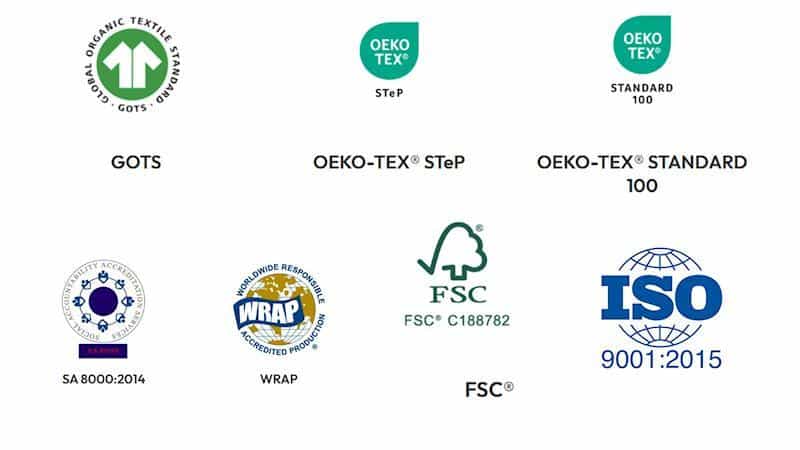
When choosing bamboo fabrics for sleepwear, certifications help brands verify that materials meet high standards for safety, quality, environmental responsibility, and ethical production. Here are some of the most recognized international standards:
- OEKO-TEX Standard 100: This certification ensures that fabrics are free from harmful chemicals, heavy metals, and allergens, making them safe for prolonged contact with the skin. It’s particularly important for sleepwear and children’s pajamas, providing peace of mind for consumers.
- GOTS (Global Organic Textile Standard): GOTS verifies that bamboo fabrics are produced organically and processed under environmentally responsible conditions. It covers the entire supply chain, from raw material cultivation to manufacturing, ensuring both sustainability and ethical practices.
- FSC (Forest Stewardship Council): FSC certification ensures that the bamboo used in fabrics comes from responsibly managed forests and plantations. It guarantees that raw materials are sourced sustainably, supporting environmental conservation and reducing deforestation, which adds another layer of eco-responsibility to bamboo sleepwear.
- ISO 9001 (Quality Management): While not specific to bamboo, ISO 9001 ensures that manufacturers maintain consistent quality standards, effective processes, and traceable production practices, helping brands deliver reliable, high-quality sleepwear.
- SA8000 (Social Accountability): This certification focuses on ethical labor practices, ensuring fair wages, safe working conditions, and protection against exploitation. It helps brands verify that their bamboo fabrics are produced responsibly, supporting social sustainability.
- WRAP (Worldwide Responsible Accredited Production): WRAP certifies that bamboo pajama manufacturer comply with ethical manufacturing practices, including lawful, humane, and safe working conditions. For brands, it provides assurance that their bamboo sleepwear is produced under socially responsible standards.
Common International Standards Used for Bamboo Fabrics
How a Certified Bamboo Pajama Manufacturer Adds Brand Credibility
Certifications provide independent proof that products are responsibly made, helping brands support their sustainability claims and avoid misleading consumers. In an industry where greenwashing (when companies make products sound more environmentally friendly than they really are) is common, certifications serve as verifiable data that substantiate a brand’s promises.
Secondly, obtaining these certifications is not easy. Because they are issued by independent third parties and require full transparency, a clothing manufacturer that achieves certification demonstrates that it meets high standards for quality, ethical labor, and environmental responsibility. This provides brands with confidence that their products are safe and responsibly produced, avoiding potential risks that could harm their reputation.
Thirdly, certifications are especially important in the EU market, where sustainability standards are increasingly strict. Regulations and initiatives such as the Green Claims Directive, Digital Product Passport, and EU Ecolabel make it essential for brands to demonstrate traceability and provide evidence of responsible production. Partnering with a certified apparel manufacturer makes it easier to trace the origin of materials, ensure compliance, and meet these regulatory requirements.
In conclusion, certifications are more than just labels, they are a critical tool for ensuring that bamboo pajamas are made safely, ethically, and sustainably. By choosing fabrics and certified pajama manufacturers that hold recognized certifications such as OEKO-TEX Standard 100, GOTS, SA8000, and WRAP, brands can guarantee high-quality materials, responsible production practices, and transparency across the supply chain. This is especially important for sleepwear, and even more so for children’s product lines.