

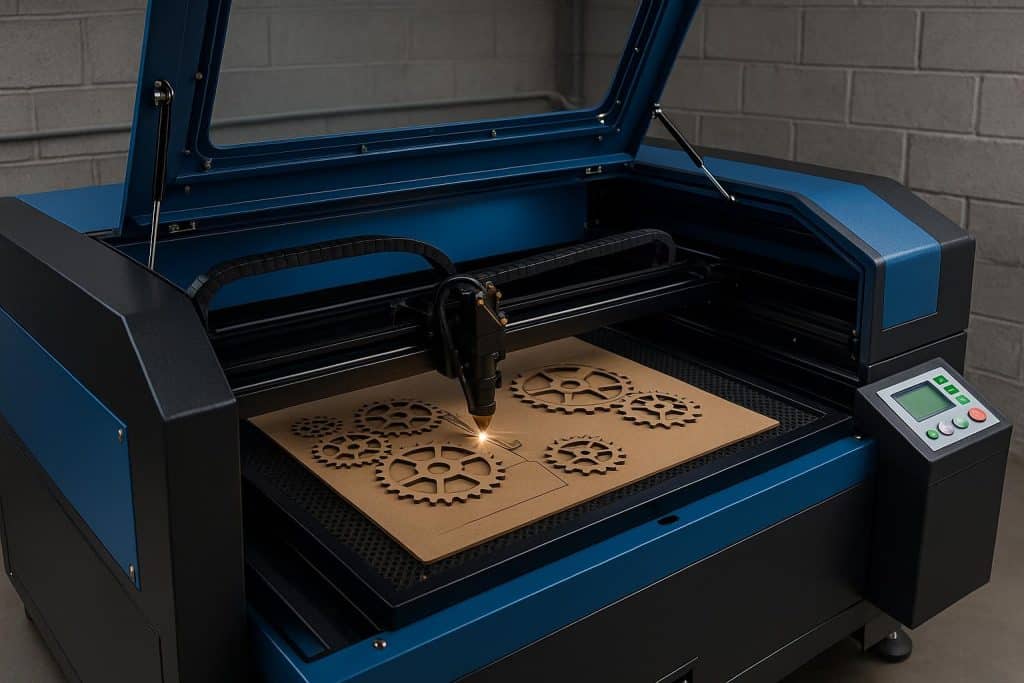
Small shops often choose laser equipment by wattage alone, then discover that daily output depends just as much on bed size, material behavior, and order rhythm. Real efficiency starts with the jobs moving through the room each week. Teams cutting signs, fixtures, tags, or prototype parts need equipment that fits storage space, finishing time, and operator pace. Careful planning lowers scrap, avoids stalled batches, and protects cash flow from rushed replacement decisions later.
Start With Actual Jobs
Before comparing models, small operations should map weekly materials, sheet sizes, thickness ranges, and average run counts. That review often shows why a cramped bed hurts output more than modest power. In many shops, an industrial laser cutting machine system becomes a sensible step only after repeat work is clear, floor space is available, and safe loading, exhaust routing, service access, and material staging can happen without disrupting normal production.
Wattage Sets Pace
Wattage affects speed, edge finish, and thickness limits, yet higher numbers do not fix every production delay. A 30 watt unit may suit engraving and light cutting well. By comparison, 55 to 60 watt models often handle thicker acrylic or wood with fewer passes. Shops benefit from comparing minutes per order, not brochure claims. Faster completion can trim labor expense more than it raises utility demand.
Bed Size Controls Throughput
Bed dimensions influence throughput in ways that are easy to miss during a quick comparison. A larger platform reduces tiling, re-fixturing, and alignment checks on wide panels. Those saved minutes accumulate through the week. Still, oversizing creates waste if most orders use small blanks. The best fit usually covers the largest common sheet, with extra room for clamps, jigs, and positioning errors.
Match Material to Laser Type
Material choice should shape machine selection early, because each laser type serves a different production mix. Carbon dioxide systems often suit wood, acrylic, leather, paper, and many coated surfaces. Diode units may fit lighter budgets and simpler organic jobs. Infrared tools support marking on certain metals and specialty finishes. A shop selling tumblers, signage, and wood kits needs different capability than one focused on acrylic display work.
Count Passes, Not Promises
Quoted speed means little without context, because real output depends on passes, focus quality, air assist, and material consistency. Shops should estimate how many passes each common job actually needs. One slower unit may still perform better if edges leave the bed clean and ready. Another machine may move quickly yet create sanding or flame polishing later. Finished parts per hour gives the clearest picture.
Layout Time Eats Capacity
Production capacity includes setup labor, not just beam travel across the sheet. A cramped bed forces awkward nesting, more reloads, and extra operator motion. Hidden labor often outweighs the appeal of a lower purchase price. Camera alignment, accessible doors, and clear software matter as well. Small teams usually gain more from repeatable placement than extreme peak numbers. Reliable positioning reduces scrap and shortens training for new staff.
Ventilation Is Part of Sizing
Machine sizing should always include exhaust strength, filtration needs, and room air movement. Higher power and longer runs create more fumes, residue, and heat. Those conditions affect comfort, safety, optical cleanliness, and service intervals. A shop that neglects air handling may lose time to frequent cleaning and weaker uptime. Bed size matters here too, because larger sheets can generate heavy smoke during long production cycles.
Growth Should Stay Practical
Planning for moderate growth makes sense, but oversized purchases can strain a small operation before extra demand appears. A shop expecting steady expansion may benefit from one step up in power or bed area. Going far past current needs can leave capacity idle while payments continue. Equipment should earn its place through present work first. Growth decisions work best when current orders already expose clear limits.
Budget the Full System
Purchase price covers only part of the ownership cost, so budgeting should include lenses, exhaust parts, software, spare consumables, training hours, and routine service. Early material waste also deserves attention. A cheaper unit can become expensive if downtime interrupts paid work. Decision makers should compare monthly ownership cost with expected billable output. That approach keeps emotion out of selection and supports steadier financial planning across the year.
A Simple Buying Framework
A practical buying framework can start with three questions. Which materials fill most orders? What sheet size appears most often? How many finished pieces need to leave each week? Those answers narrow the field quickly. After that, shops can test whether added wattage cuts labor enough to justify the cost. If it does not, a better bed fit may deliver stronger value. Daily workflow should guide the purchase.
Conclusion
Small shops usually get better results when wattage and bed size reflect daily production, rather than broad ambition or headline specifications. Power shapes speed and thickness range, while bed dimensions affect handling, layout time, and repeat accuracy. Material type, air control, setup labor, and monthly ownership cost deserve equal attention. Teams that study common jobs first can choose with greater confidence, protect margins, and build capacity in a steady, sensible way.