

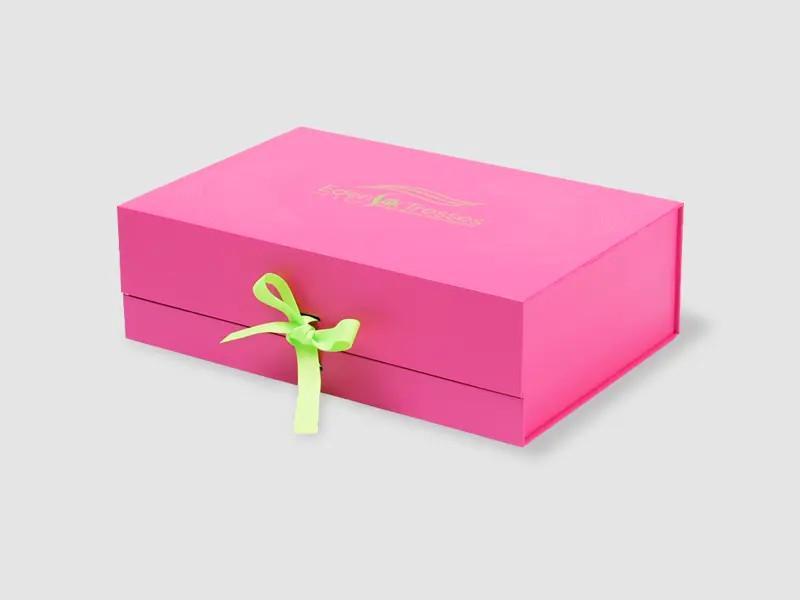
In this evolving landscape of consumer expectations, gift packaging has branched into two main categories: classic traditional packaging (think wrapping paper, ribbons, and standard folding cartons) and the increasingly popular magnetic gift boxes. Choosing between them involves balancing aesthetics, environmental impact, cost, and the perceived value of the gift itself.
This exploration dives deep into which option truly offers the “better” solution for various scenarios, ultimately concluding that the “best” choice is highly contextual.
The Allure of the Magnetic Gift Box
Magnetic gift boxes represent a shift towards premiumization and convenience. These rigid boxes, often made of thick paperboard, feature a hinged lid secured by small, strong magnets. They arrive pre-assembled or flat-packed for convenience in shipping and storage but pop into shape instantly when needed.
Premium Perception and Unboxing Experience
The primary advantage of magnetic boxes is the “wow” factor. The satisfying click as the lid secures itself signals quality and durability. This design transforms the unboxing from a simple tear-away to a curated ritual, often associated with luxury brands, high-end electronics, and artisanal goods. For a business, this perceived value can justify a higher price point and improve brand loyalty. For an individual giver, it conveys an extra level of care and thoughtfulness.
Durability and Reusability
Unlike thin wrapping paper or flimsy cardboard, magnetic boxes are robust. This durability makes them ideal for shipping delicate items or heavy gifts. Crucially, they are designed with a second life in mind. Recipients rarely throw these boxes away; they are often repurposed for storage of keepsakes, desk organizers, or future gift-giving. This extended lifecycle addresses a major critique of traditional single-use packaging.
The Timeless Charm of Traditional Packaging
Traditional packaging encompasses a broad spectrum, from humble brown craft paper to vibrant foil wraps, decorative tissue, gift bags, and standard tuck-top cartons. It relies heavily on the giver’s personal touch and creativity.
Cost-Effectiveness and Versatility
The most significant advantage of traditional packaging is cost. Wrapping paper and gift bags are inexpensive and widely available. For high-volume gifting, such as corporate giveaways or holiday seasons, the economies of scale heavily favor traditional methods. Furthermore, the sheer variety of colors, patterns, and textures available in wrapping paper offers unmatched creative flexibility. A person can customize the presentation precisely to the recipient’s personality or the occasion’s theme.
The Personal Touch
There is an undeniable nostalgia and warmth associated with a carefully wrapped gift, complete with a hand-tied bow. This process allows the giver to inject their time and effort directly into the presentation, a gesture that some argue is lost with the sterile efficiency of simply placing an item into a pre-made box. The anticipation of tearing through paper is a core part of the cultural ritual of gift-giving.
Environmental Considerations: A Shifting Balance
The environmental impact is a critical modern consideration that complicates the “better” argument.
Traditional wrapping paper is notoriously difficult to recycle. Many types are coated in plastic, foil, or glitter, meaning they must be landfilled. The single-use nature of most traditional packaging contributes significantly to holiday waste streams.
Magnetic gift boxes, while generally made from recyclable paperboard, use more material per unit and require magnets (often a mix of rare earth elements or ferrites) and adhesives, which can complicate the recycling process if not disassembled. However, their saving grace is their high reusability rate. A box used five or ten times drastically reduces its per-use environmental footprint compared to a single-use paper. Consumers value this sustainability through durability, a concept known as the circular economy.
The Verdict: Context is King
Which is better ultimately depends entirely on the specific scenario:
Choose magnetic gift boxes when:
- The goal is to convey luxury, premium quality, or professionalism (e.g., high-value client gifts, expensive jewelry, tech gadgets).
- Durability in shipping is paramount.
- Reusability is a valued feature by the target audience.
- Branding consistency is essential, as these boxes offer a superior canvas for logos and designs.
Choose traditional packaging when:
- Budget constraints are the primary concern.
- The giver wants to infuse a personal, handmade touch.
- Gifting high volumes of low-cost items.
- Immediate recycling (using plain, uncoated paper) or biodegradability is the immediate goal.
In conclusion, magnetic gift boxes win the battle for premium presentation and long-term value, while traditional packaging remains unmatched in cost-effectiveness and creative versatility. The market is unlikely to abandon either any time soon. Givers must weigh the short-lived joy of tear-away wrapping against the lasting value of a sturdy, reusable box. For those leaning toward a more durable option, clicking into MJC Packaging’s magnetic gift box solutions can help you find packaging that truly enhances the gift-giving moment.