

Key Takeaways
- Regular foundation inspections are crucial for detecting issues early.
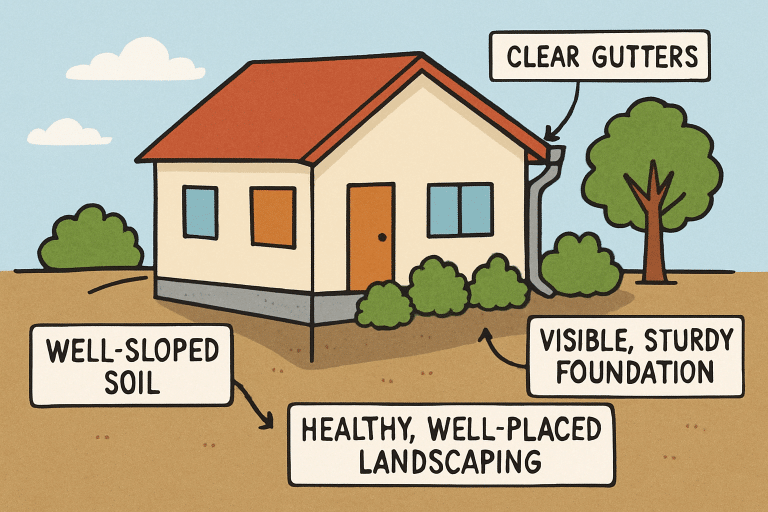
- Adequate water drainage and control around your home play a crucial role in maintaining the health of your foundation.
- Timely attention to minor problems prevents them from escalating into expensive repairs.
Maintaining the integrity of your home’s foundation isn’t just about peace of mind—it’s essential for your family’s safety and your property’s long-term value. Every homeowner should understand that foundation problems can escalate rapidly, potentially leading to significant structural issues if not addressed promptly. For those serious about safeguarding their property’s future, you can learn more about Keystone Foundation Repair for additional expertise and solutions tailored to your home’s needs.
A strong, stable foundation protects the entire structure that rests upon it. Proactive maintenance, regular inspections, and addressing issues as they arise serve as your home’s best defense against water damage, settling, and other threats. The financial impact of neglecting foundation maintenance can be severe, affecting your home’s resale value and making future repairs even more costly and disruptive.
Taking simple steps today can help you avoid the stress and expense of foundation failures down the line. Home foundation upkeep is an ongoing responsibility, whether you’re living in a brand-new build or a historic property. Read on to discover the essentials of foundation health, from inspection routines to practical drainage and landscaping strategies.
If you’re interested in a deeper dive on the importance of foundation health, check out this extensive homeowner guide by the Bob Vila team on different foundation types and their specific care requirements.
Understanding Foundation Types
Most homes are built on one of three primary foundation types—each with unique characteristics and specific care instructions:
- Concrete Slab Foundations: These rest directly on the ground, commonly found in newer homes in temperate regions. They require vigilant moisture control and prompt sealing of even minor cracks.
- Basement Foundations: Offering additional living or storage space, basements require regular monitoring for leaks and water intrusion.
- Crawl Space Foundations: Elevating the home above ground, crawl spaces need proper ventilation and moisture barriers to prevent decay and mold.
Identifying your foundation type enables you to tailor maintenance strategies, reducing risks of expensive deterioration and protecting your investment for years.
Regular Inspections Are Key
Frequent inspections—ideally every spring and fall—enable you to spot trouble early, before it leads to structural damage. Key symptoms of foundation stress include:
- Visible or widening cracks in interior or exterior walls and floors
- Sticking or misaligned doors and windows
- Noticeably uneven floors or shifting in outdoor walkways and patios
- Pooled water around the perimeter of your home after rainstorms
For added peace of mind, schedule a professional foundation inspection every few years, or after experiencing heavy rainfall, flooding, or significant soil dryness.
Managing Water and Moisture
Moisture is the single greatest threat to foundation stability. To defend your home:
- Ensure all gutters and downspouts channel water at least two meters away from your foundation walls.
- Regrade soil to consistently slope away from your foundation, preventing water accumulation.
- Keep thirsty trees and shrubs a healthy distance from the house.
- Install drainage systems such as French drains in areas prone to flooding or standing water.
By prioritizing water management, you can significantly reduce the risks of cracking, heaving, and soil shrinkage beneath your home.
Landscaping Considerations
The ever-changing moisture content of soil surrounding your home can cause it to expand and contract, putting strain on your foundation over time. Innovative landscaping practices include:
- Planting large trees and deep-rooted shrubs far from the foundation.
- Use drought-resistant plants near the foundation to reduce watering needs.
- Responsible irrigation—avoiding oversaturation but keeping the soil near the foundation at a consistent moisture level, especially during hot or dry periods.
With correct landscaping, you help buffer your foundation from environmental shocks, lowering the likelihood of uneven settling or cracking. For more insight on the interplay between soil, moisture, and foundation health, see the recommendations from the New York State Department of Health’s Home Safety Checklist.
Addressing Cracks and Damage Promptly
Immediate attention to cracks—no matter how small—can prevent worsening structural issues. Hairline cracks in concrete or masonry can be filled with specialized sealants. Any crack showing gaps wider than a nickel, or accompanied by evident movement, should prompt a call to a professional for diagnosis and repair. Ignored cracks can advance rapidly, culminating in much more severe and costly repairs.
Professional Inspections and Repairs
Routine self-inspections are crucial, but do not replace the value of expert assessments. Professional foundation inspectors possess the training and technology to identify hidden weaknesses, provide accurate diagnoses, and develop comprehensive repair solutions. In many cities, homeowners now have streamlined access to certified contractors and inspectors who understand the unique soil and weather conditions in their regions, ensuring tailored and practical solutions.
Conclusion
Foundation preservation is one of the most critical tasks for any property owner. Through regular checks, moisture control, thoughtful landscaping, and prompt attention to cracks and symptoms, you preserve your property value and ensure the long-term safety of your home. By prioritizing foundation maintenance, you’re investing in a secure, comfortable home for years to come.