

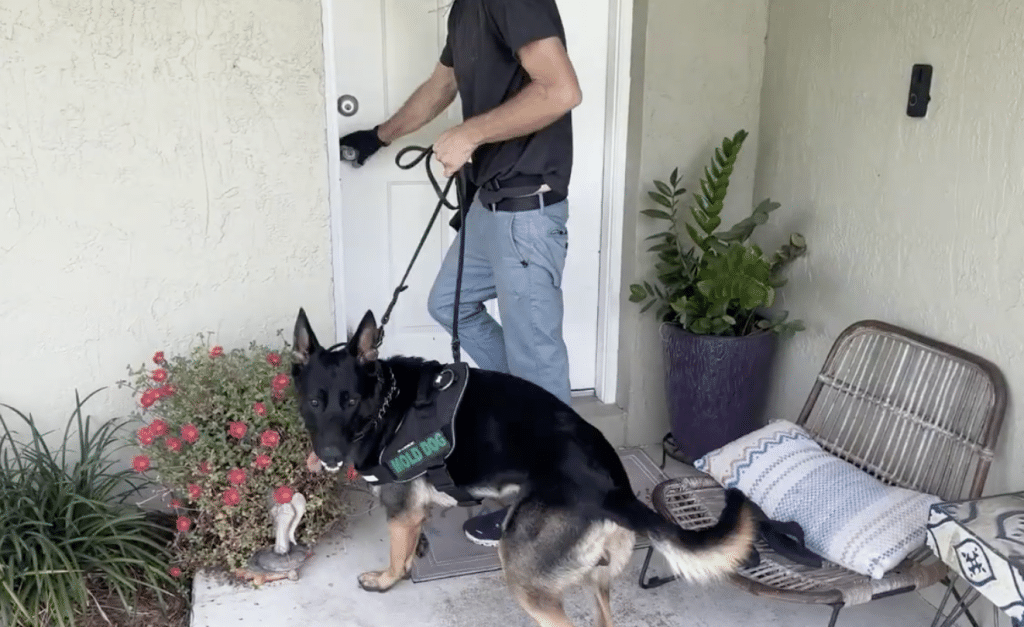
As an indoor air quality company, we’ve worked firsthand with mold detection dogs. As that corner of the industry grows, so do the questions…and many of them are fair.
Why would we ask a dog to smell something potentially harmful?
Is this safe for the animal?
Is this a form of animal testing?
Should dogs really be working for us at all?
These are not unreasonable reactions. In fact, discomfort is often the most honest starting point for an ethical conversation.
It’s difficult to talk about mold dogs without drifting into something more philosophical, because the question isn’t only about dogs, it’s about how we, as humans, weigh usefulness, harm, and responsibility.
We live in a world where ethical contradictions are everywhere. Many of us carry smartphones produced through exploitative labor practices. We wear clothes made in unsafe factories. We benefit daily from systems that place risk and harm on humans, often out of sight. Pointing this out isn’t meant to excuse questionable practices, but to acknowledge that ethical purity is rare, especially in modern industries.
Context matters when people ask us how we feel about mold detection dogs.
What We’ve Actually Seen
What we’ve observed, honestly, is complicated. We’ve seen dogs that appear genuinely excited to work, eager to enter a building, focused, motivated by play and reward. Is it strange to say a dog enjoys its job? Maybe. But anyone who has watched working dogs—search and rescue, herding, scent detection, knows that many animals thrive on structured tasks and engagement.
At the same time, enjoyment alone doesn’t settle the ethical question. A dog enjoying a task does not automatically make that task right.
We’ve also seen the practical reality: some mold dogs are well trained and add real value; others are inconsistent or poorly handled. There are inspections where a dog has identified an issue that human inspectors initially missed. And there are others where a dog added confusion rather than clarity.
Because of this, we don’t view mold dogs as a solution, only as a tool. And like any tool, they are not appropriate in every situation.
Where Mold Detection Dogs May Make Sense
In very large spaces, think massive warehouses or industrial facilities, a trained dog can sometimes scan an area in hours that would take a human hours or days to inspect. In those specific cases, a dog may reduce time, disruption, and even human exposure. But that does not mean dogs should be the default, nor does it mean their use should go unquestioned.
The Animal Testing Question
This is where the comparison to animal testing often comes up, and rightly so. Asking any animal to interact with potentially harmful substances demands strict oversight, transparency, and limits. If dogs are used, their training, exposure levels, health monitoring, and retirement must be taken seriously, not treated as afterthoughts.
Loving dogs while benefiting from their labor is an uncomfortable tension. So is opposing animal exploitation while participating in systems that quietly rely on it. Acknowledging that tension isn’t hypocrisy, it’s honesty.
Ultimately, we don’t believe mold detection dogs are inherently ethical or unethical. Their use exists in a gray area shaped by training standards, working conditions, necessity, and how seriously we take the animal’s well-being beyond its usefulness to us.
Why Transparency Matters
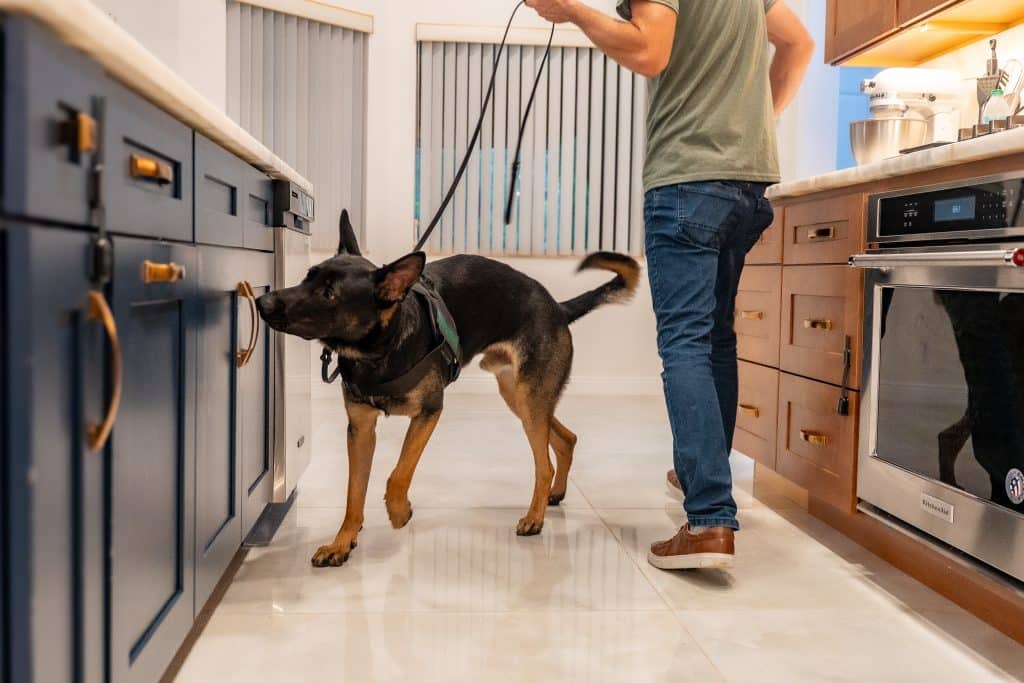
The right response, in our view, isn’t outrage or blind acceptance, but scrutiny. It’s making sure to ask the hard questions, demanding standards and transparency, and being willing to say “no” when a tool, animal or otherwise, creates more harm than benefit.
We have had ongoing conversations with mold canine handlers, many of whom are actively grappling with the same ethical and practical concerns the public raises. At Full Spectrum Environmental we don’t pretend to have definitive answers. What we do believe is that transparency and curiosity matter.
That belief is why we’ve begun documenting these conversations, where we speak directly with a canine handler about training methods, limitations, and what responsible use should look like in practice. These conversations have yet to touch on the ethical debate, but we would like to keep that discussion open as the industry evolves.
An Invitation to Question, Not Conclude
We also recognize that people are troubled by different aspects of this work: animal welfare, scientific reliability, industry regulation, or the broader question of how humans rely on other beings, human and non-human alike, to manage risk.If this topic raises questions for you, we want to continue these conversations through additional interviews and discussions, collecting thoughtful, good-faith questions to bring into future conversations with canine handlers and working-dog professionals. Ethical scrutiny shouldn’t end the discussion; it should deepen it.