

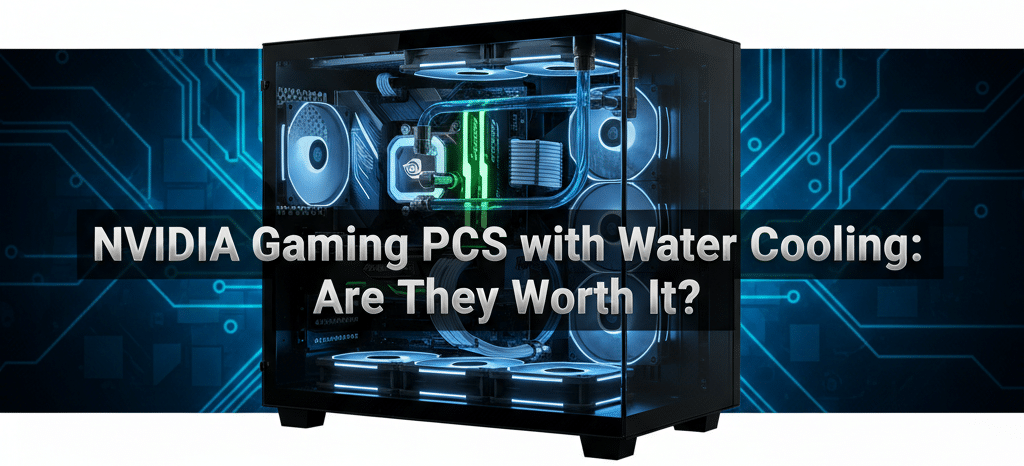
Gaming hardware has become a kind of arms race, where enthusiasts chase every possible advantage in performance and style. Among the most sought-after setups are Nvidia PCs equipped with water cooling, which promise both raw power and impressive thermals. Yet many players hesitate — does such a system genuinely pay off, or is it just expensive bragging rights wrapped in shiny tubing?
Before answering that, it helps to look at what makes these machines stand apart from their air-cooled counterparts and whether the benefits line up with the costs and maintenance demands.
What Sets Water Cooling Apart
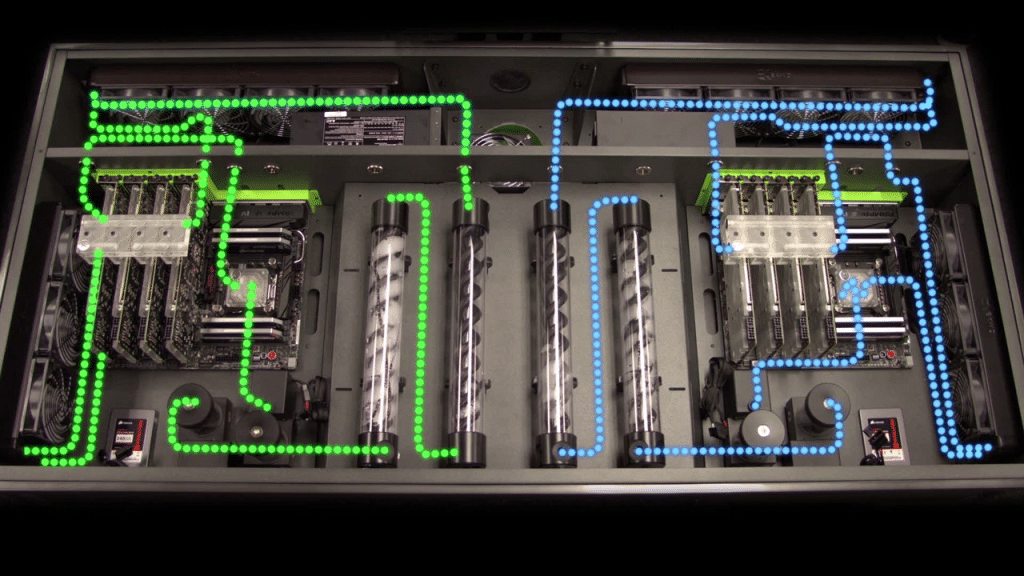
Air cooling has been the default option for decades, using fans and heat sinks to dissipate heat. Water cooling changes the equation by circulating liquid through tubes and radiators, pulling heat away from the GPU and CPU more efficiently. For high-end Nvidia cards, which are notorious for running hot under heavy load, this method can translate into quieter operation and steadier performance even during long gaming marathons.
The setup, however, is more than just functional. Many builders see water cooling as part of the aesthetic appeal. Transparent reservoirs, glowing coolant, and carefully routed tubing turn the PC into a display piece. This combination of performance and visual flair makes water-cooled Nvidia systems stand out in a way that traditional rigs rarely do.
Hyper Cyber, a company that designs top PC systems, has incorporated water cooling into several of their Nvidia PCs, showcasing how thermal management can complement high-performance components.
The Advantages Gamers Notice
Those who make the jump to liquid-cooled Nvidia builds often highlight a few specific advantages. They can be summarized as follows:
Lower overall temperatures allow GPUs to run at higher clock speeds without throttling.
Reduced noise, since fans don’t need to spin as aggressively.
Improved component lifespan thanks to more stable thermal conditions.
Visual customization, as coolant color and tube layout, can be tailored to personal taste.
Each of these points appeals to a different type of user, from the competitive gamer chasing every frame to the hobbyist who enjoys turning hardware into art.
The Downsides and Hidden Costs
Despite the appeal, water cooling is not free of headaches. Initial costs are high, especially if a custom loop is involved. Pre-built solutions exist, but enthusiasts often consider them less effective or less attractive. Installation takes patience, and mistakes can be expensive — one loose fitting can cause leaks that threaten costly components.
Maintenance also becomes part of the routine. Unlike air-cooled systems that can run for years with only occasional dusting, water-cooled rigs require periodic draining, refilling, and cleaning. For some, this upkeep is part of the fun. For others, it quickly turns into a chore that undermines the joy of gaming itself.
Who Actually Benefits Most
Not every gamer needs liquid cooling, even when running powerful Nvidia cards. Those who stick to moderate settings, play casually, or value simplicity may find air cooling more than adequate. On the other hand, water cooling makes sense for enthusiasts who overclock, compete in tournaments, or simply want a visually striking centerpiece for their gaming station.
The decision often depends less on performance numbers and more on the kind of relationship someone wants with their machine. A person who enjoys tinkering, upgrading, and showing off their rig will likely find the investment worthwhile, while someone seeking a plug-and-play solution will not.
Conclusion: Luxury or Necessity?
When stripped down to the essentials, water-cooled Nvidia gaming PCs occupy a unique place between high-performance tool and luxury item. They do deliver tangible benefits — lower noise, better thermals, longer component life — but those perks come with added cost, maintenance, and effort. For certain players, the trade-off feels justified, even necessary. For others, it remains a fascinating but unnecessary extravagance.
Ultimately, whether they are worth it depends not only on your budget but also on how much time and care you want to devote to your system. A water-cooled rig is as much a hobby as it is a gaming platform, and those who embrace both sides of that equation will get the most satisfaction out of it.