

Key Takeaways
- Implementing advanced financial management software can significantly improve operational efficiency.
- Automation and AI technologies reduce manual errors and accelerate financial processes.
- Real-time payment systems enhance cash flow management and customer satisfaction.
- Integrating embedded finance solutions can provide a competitive edge.
In today’s competitive and rapidly changing business environment, organizations must continually optimize their financial operations to maintain agility and profitability. Implementing processes that reduce inefficiencies, enhance accuracy, and generate actionable insights can set modern businesses apart from their competitors. Startups and established enterprises alike are looking for streamlined solutions, including the best business bank account for startups, to effectively manage finances and support growth initiatives.
The evolution of financial technology has given businesses an arsenal of tools to automate and improve financial workflows. From artificial intelligence-powered software and real-time payment systems to the adoption of embedded finance, organizations can now transform their financial management approaches. These changes not only result in cost savings and increased accuracy but also offer the flexibility necessary to respond to shifting market demands and regulatory landscapes.
Businesses that utilize technology-driven financial operations benefit from streamlined cash flow management, real-time financial data analysis, and seamless compliance updates. The ability to quickly adapt to regulatory requirements while protecting sensitive financial data has never been more critical, given the rise in cyber threats and the increasingly complex financial regulatory environment.
By proactively embracing digital transformation and prioritizing robust financial systems, companies can strengthen their decision-making capabilities and future-proof their business models. For many, modernizing key internal systems across finance, accounting, and enterprise resource planning is central to maintaining a sustainable competitive advantage.
Implementing Advanced Financial Management Software
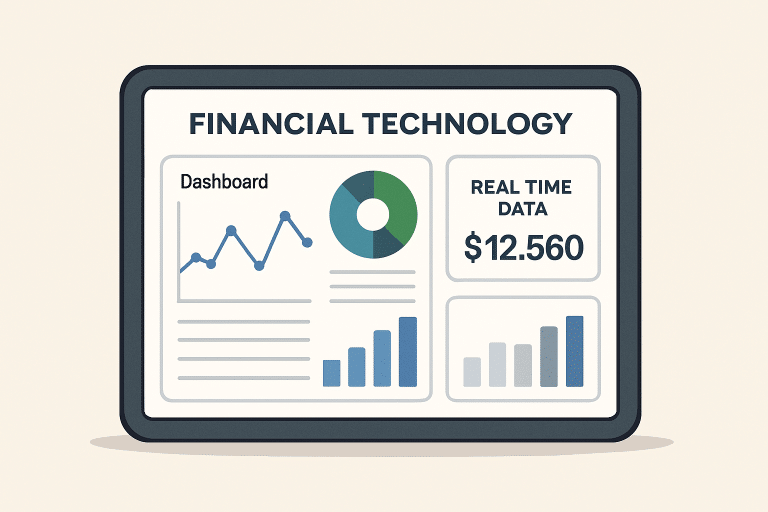
The adoption of advanced financial management software is a crucial first step for companies seeking to optimize their operations. Platforms such as QuickBooks and NetSuite offer powerful capabilities, including real-time tracking, automated transaction categorization, and scalability for growing enterprises. Such systems empower finance teams by automating repetitive processes, consolidating financial data from multiple sources, and offering dashboards with immediate insights. Businesses that invest in modern financial management software often witness a marked improvement in decision-making and efficiency thanks to accessible, up-to-date financial information.
Leveraging Automation and AI
Automation and artificial intelligence (AI) are reshaping how organizations manage their financial operations. Automating routine tasks such as expense tracking, invoice processing, and bank reconciliation not only saves valuable employee time but also dramatically reduces the likelihood of errors that can bottleneck processes. AI platforms can quickly analyze large volumes of financial transactions, flag anomalies, and provide predictive analytics for budgeting and forecasting. AI-driven automation reduces costs, improves accuracy, and enhances operational flexibility, all of which are vital for maintaining a strong financial posture in rapidly shifting markets.
Adopting Real-Time Payment Systems
The emergence of real-time payment systems is transforming the speed and reliability of business transactions. Services such as the FedNow payments platform in the United States enable businesses to send and receive money within seconds at any time of day. This capability grants organizations better control over their cash flow and improves relationships with suppliers and customers by providing instant payment confirmations and reducing operational delays. Real-time payments are especially beneficial for businesses that require immediate settlement and reconciliation to optimize their working capital.
Integrating Embedded Finance Solutions
Embedded finance solutions are revolutionizing the way businesses provide and access financial services. By embedding financial products directly into their platforms, companies can offer services like payment processing, insurance, loans, and investment opportunities without redirecting clients to third-party providers. This seamless integration enhances user experience, builds customer loyalty, and creates new revenue streams. Furthermore, industry analysis indicates a strong market trend, with an increasing number of businesses switching vendors to access superior embedded financial solutions.
Enhancing Data Analysis Capabilities
Sophisticated data analysis tools are indispensable for unlocking the value embedded in financial data. Technologies such as machine learning and natural language processing can analyze complex datasets and detect trends that traditional methods might miss. Financial leaders can harness these technologies to spot inefficiencies, forecast future cash flows, and mitigate risks more effectively. Leveraging AI-powered data analytics, businesses can develop tailored strategies that respond quickly to new opportunities and market shifts.
Modernizing Enterprise Resource Planning (ERP) Systems
Updating ERP systems is a strategic move for companies determined to stay ahead in the digital economy. Cloud-native ERP solutions integrate seamlessly with other business applications, enabling real-time visibility into financial performance, automating manual tasks, and scaling as organizations grow. Many small and medium-sized enterprises (SMEs) now benefit from the flexibility and lower total cost of ownership that modern ERP systems provide, enabling them to adapt quickly to uncertain economic conditions.
Ensuring Compliance and Security
Navigating changing regulations and safeguarding financial data are critical pillars of robust financial management. Modern financial systems can automate compliance tasks by updating tax codes and regulatory requirements as new laws are enacted, alleviating burdens on human staff and reducing compliance risks. At the same time, advanced cybersecurity protocols such as end-to-end encryption and multi-factor authentication are essential for protecting sensitive financial information from increasingly sophisticated cyber threats. Businesses that integrate these security and compliance functions within their financial operations infrastructure are better positioned to build trust and achieve long-term viability.
Conclusion
Optimizing financial operations demands a comprehensive, technology-driven approach that encompasses advanced financial management software, automation and AI, real-time payment capabilities, embedded finance solutions, robust data analysis, modern ERP systems, and proactive compliance and security. Businesses that invest in these transformative strategies will not only achieve superior efficiency and accuracy but will also evolve to meet the challenges and opportunities of the digital era.