

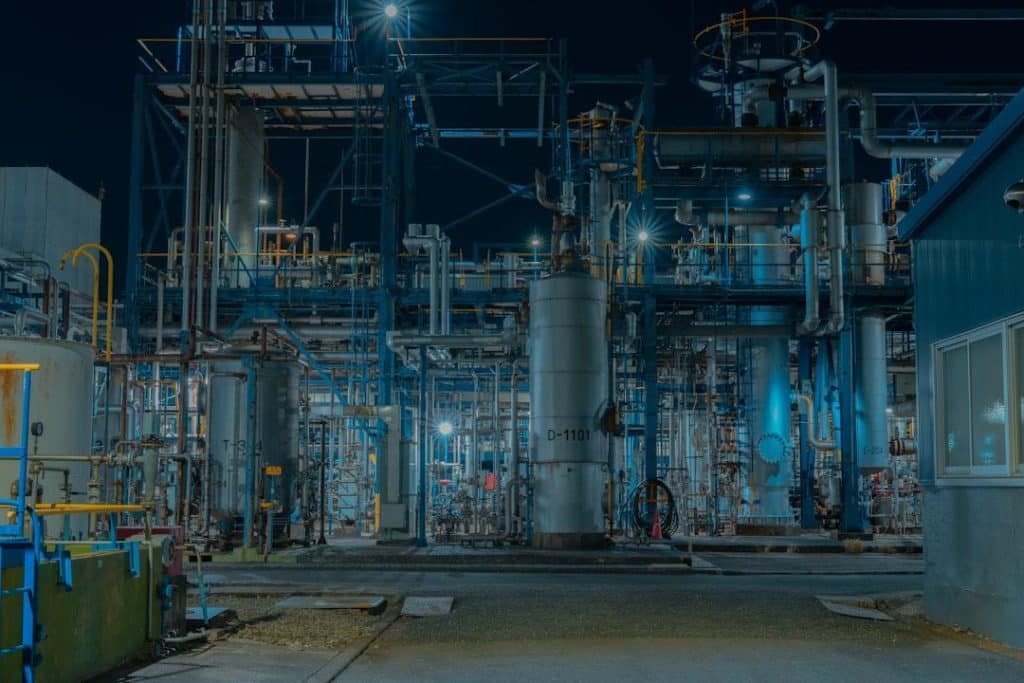
The Critical Role of Industrial Contracting and Equipment in Manufacturing
Industrial operations are the powerhouse of our economy, transforming raw materials into the products we rely on daily. From manufacturing plants to processing facilities, these environments demand precision, efficiency, and unwavering reliability.
Ensuring these complex systems operate at their peak requires more than just general construction skills. It calls for highly specialized industrial contracting expertise and robust, high-performance equipment.
In this guide, we will dive into the unique world of industrial contracting. We’ll explore how it stands apart from general contracting, highlight the primary services provided, and examine the advanced types of equipment crucial for success. This includes everything from heavy rigging gear to specialized machinery, such as Precise dry blending equipment for critical material processing.
We will also discuss the importance of safety, project management, and emergency services in delivering successful industrial projects. Our goal is to provide a comprehensive overview for anyone seeking to optimize their industrial operations.
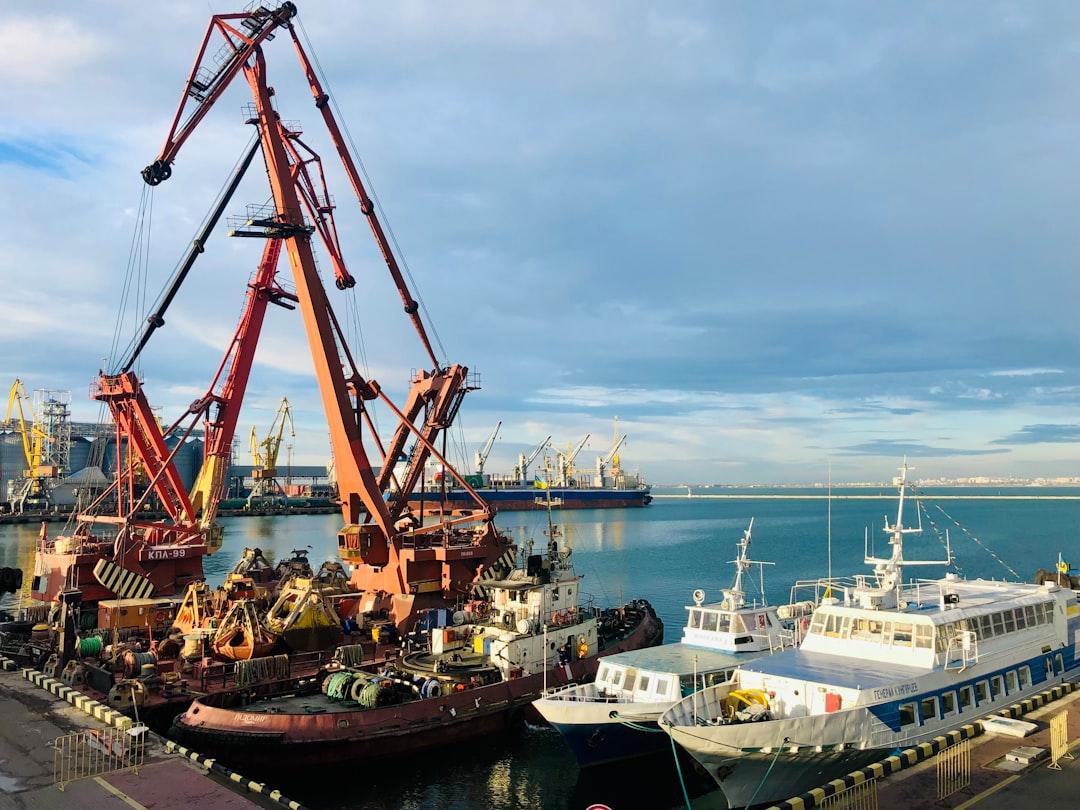
The landscape of industrial operations in May 2026 is defined by an increasing demand for specialized engineering and seamless project execution. Companies operating in this sector often manage vast, intricate systems, from initial installation through ongoing maintenance and eventual upgrades. This complexity necessitates a dedicated approach that goes beyond standard construction practices.
Leading industrial contractors bring decades of accumulated knowledge and extensive resources to the table. For instance, some firms boast a legacy spanning over 60 years and three generations, evolving into multi-million dollar full-service companies with significant annual revenues. Their international reach, extending across dozens of countries and numerous states with extensive field offices, underscores the global nature and critical importance of their work.
These contractors provide comprehensive, turnkey solutions, handling everything from the installation of automotive machinery and food processing equipment to supporting critical infrastructure in aerospace, defense, mining, and steel production. This generational experience and unwavering commitment to a “customer-first” philosophy are foundational to navigating the challenges of modern industrial projects.
Distinguishing Industrial from General Contracting
At first glance, industrial contracting might seem similar to general contracting, but their distinctions are fundamental and profound. General contractors typically focus on structural construction for residential or commercial buildings—creating spaces for people to live, work, or shop. Their expertise lies in constructing the shell and basic infrastructure.
Industrial contracting, however, dives much deeper into the operational core of a facility. It involves the intricate design, planning, and execution required for the installation, maintenance, repair, and relocation of heavy manufacturing equipment and complex mechanical systems. This includes everything from massive presses and conveyor systems to sophisticated robotic assembly lines.
The regulatory and technical hurdles are also significantly different. Industrial projects often entail a far more complex permit and licensing process due to the nature of the machinery, environmental considerations, and safety protocols. Specialized licensing for tasks like structural repairs, performed by certified ironworkers and welders, is commonplace. Furthermore, industrial contractors frequently encounter atypical geological considerations, such as soil liquefaction or landslide mitigation, requiring highly specialized engineering solutions that general contractors rarely face. One misstep in planning can result in catastrophic project delays and budget overruns, highlighting the need for expert oversight.
Core Services: Rigging, Millwrighting, and Steel Fabrication
The backbone of industrial contracting services lies in a triad of highly specialized disciplines: rigging, millwrighting, and steel fabrication.
Rigging involves the precise movement of heavy machinery, often weighing many tons, using specialized lifting equipment and engineered rigging plans. This is not merely about lifting; it’s about safely and strategically maneuvering equipment into tight spaces, onto foundations, or across vast distances, often within operational facilities.
Millwrighting is the art and science of installing, maintaining, and aligning industrial machinery to exacting specifications. Millwrights are the precision mechanics of the industrial world, ensuring that equipment like turbines, generators, crushers, and conveyor systems are perfectly leveled and aligned for optimal performance and longevity. Their expertise in Industrial mechanical systems is crucial for minimizing wear, reducing downtime, and maximizing efficiency.
Steel Fabrication provides the custom structural support and components necessary for industrial installations. This includes everything from custom steel structures and iron works to intricate sheet metal work and process piping. Beyond these, industrial contractors often provide comprehensive services such as plumbing, HVAC-R (heating, ventilation, air conditioning, and refrigeration), and other specialty construction services, often leveraging a merit shop workforce for diverse project needs.
Precision Installation of Industrial Contracting and Equipment
Precision is not just a buzzword in industrial contracting; it’s a fundamental requirement, especially when dealing with sensitive and specialized equipment. For instance, the installation of advanced blending and drying units, crucial for industries ranging from pharmaceuticals to food processing, demands meticulous attention to detail. Whether it’s a Twin Shell V Blender, a Slant Cone Shell, a Double Cone Blender, Multiple Vessel Processors, a Cross-Flow Blender, a Zig-Zag Blender, or a Blend-Master Blender, the operational integrity relies on flawless installation. Similarly, Continuous Tubular Vacuum Dryers, Twin Shell Non-Intensified Dryers, Tubular Vacuum Dryers, and Solids Processor Dryers require expert handling.
Some industrial contractors have installed thousands of such units in dozens of countries, showcasing their capability in handling diverse powder processing needs. The precision required can be astonishing, with equipment often leveled to within an astounding .0001 inch. This extreme accuracy, coupled with proper anchoring, is vital for the long-term performance and safety of high-performance machinery.
For new equipment manufacturing, or for specialized applications like high-pressure products for high-temperature biomass conversion or BFV dryers for biomass drying, industrial contractors ensure that every component is integrated seamlessly. When considering such specialized equipment, it’s always advisable to request a quotation to understand the scope and precision involved.
Maximizing Efficiency through Professional Services
In the industrial sector, maximizing efficiency is paramount. Professional industrial contractors play a critical role in achieving this through meticulous project management, ensuring on-time delivery, strict budget control, and uncompromising workmanship quality. Their approach often involves fostering long-term partnerships with clients, understanding that sustained success comes from consistent, reliable performance.
To consistently deliver, leading contractors invest heavily in their capabilities. This includes providing their teams with updated tools and continuous training, ensuring that their workforce remains at the forefront of industry best practices. From initial site supervision and assembly to the final commissioning and production handover, every step is carefully managed. This holistic approach ensures that projects not only meet technical specifications but also contribute directly to the client’s operational goals.
Managing Plant Turnarounds and Equipment Relocation
Industrial facilities periodically require significant interventions, such as plant turnarounds and equipment relocations, which are among the most complex tasks in industrial contracting.
Plant turnarounds and shutdowns are scheduled outages designed for comprehensive maintenance, upgrades, or repairs to existing facilities. These are critical periods that, if mismanaged, can lead to substantial financial losses. Expert contractors employ detailed construction planning, meticulously managing schedules and budgets to execute these requests efficiently. This often involves a “massive retool” of an older facility, which might include demolition, salvage, and civil projects, all while minimizing the impact on overall production.
Equipment relocation involves moving heavy machinery, sometimes entire manufacturing plants, from one location to another. This process begins with “due care removals,” where assets are carefully dismantled and preserved. Specialized hauling equipment and techniques are employed for safe transport, followed by strategic machinery storage and expert reinstallation. Contractors often provide plant layout and design services to optimize the new facility’s operational flow. The ultimate goal of these services is to minimize downtime, increase production capacity, and optimize profit for the client.
Safety Standards and Quality Assurance in Industrial Contracting and Equipment
Safety is not merely a compliance issue in industrial contracting; it is a fundamental “safety first” credo that permeates every aspect of a project. The inherent dangers of working with heavy machinery, complex systems, and often hazardous materials necessitate rigorous safety protocols. Industrial contractors typically implement comprehensive safety programs, including specialized training such as MSHA Part 46 for field teams operating in mining environments, and adherence to OSHA compliance and ISNetworld standards.
These measures are crucial for risk mitigation and preventing what could be catastrophic project delays or, worse, accidents. Beyond safety, quality assurance is equally vital. This encompasses high workmanship standards, adherence to specific industry guidelines like cGMP (current Good Manufacturing Practices) for food-grade engineering and pharmaceutical applications, and meticulous sequential testing. This testing typically progresses from individual components and controllers, then with the actual product, and finally through a full process verification, ensuring every system operates flawlessly and safely.
The Importance of 24/7 Emergency Support and Maintenance
The continuous operation of industrial facilities means that unexpected breakdowns or urgent needs can arise at any time. This underscores the critical importance of 24/7 emergency support and comprehensive maintenance services from industrial contractors.
Emergency services provide rapid response for urgent situations, enabling emergency recovery of vital assets and minimizing costly downtime. Beyond emergencies, proactive maintenance plans are essential. These include preventative schedules, timely provision of spare parts, and readily available field service teams. Many contractors also offer lab testing and technical support, providing expert diagnostics and solutions to complex operational challenges.
The ability of a contractor to offer a global network of experienced site engineers and provide local staff training further enhances operational resilience. For businesses looking to secure their operations against unforeseen disruptions and ensure long-term efficiency, requesting a quote for comprehensive service plans is a strategic investment.