

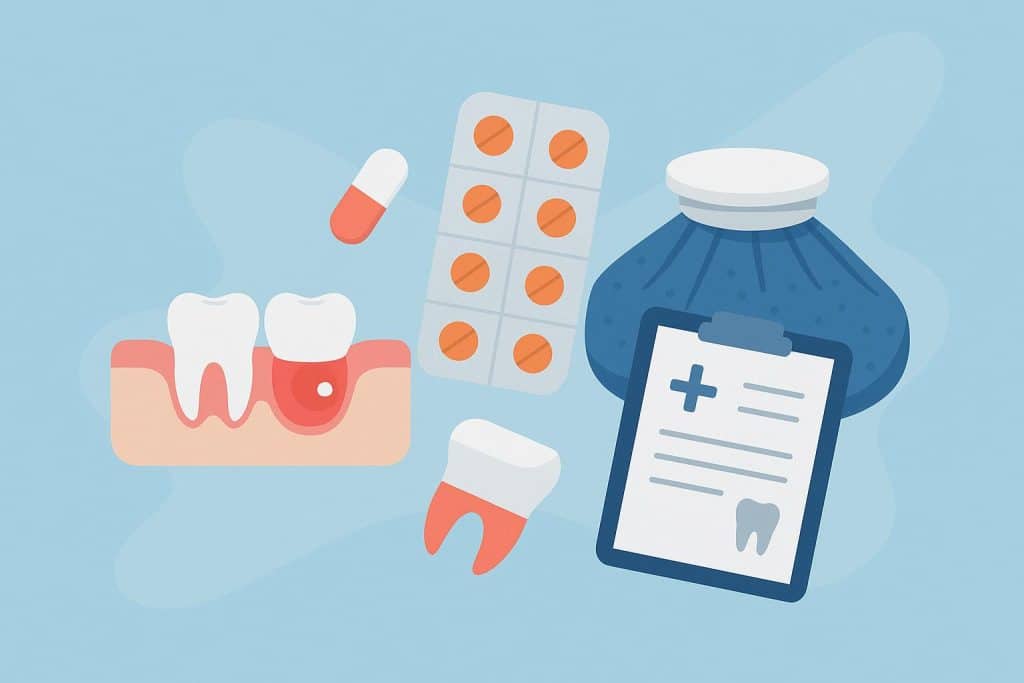
Losing a tooth or waking up after oral surgery rarely feels dramatic at first. It’s quieter than that. You notice it in small moments. When your tongue drifts to a space. When chewing suddenly feels uneven. When you hesitate before smiling. It’s not panic. It’s awareness. Many people begin reading about solutions early, especially since dental implants are super popular these days, but before decisions or fixes, there’s recovery. And recovery asks for patience. It always does.
The First Few Days After Tooth Loss or Surgery
The first days are all about sensation. Your mouth feels tender. Sometimes swollen. Sometimes sore in a dull, nagging way. Not sharp pain. Just discomfort that reminds you something has changed. That feeling can be annoying. Or worrying. But it’s usually normal.
Rest matters more than people expect. Not the kind where you’re half-working and half-resting. Real rest. Ice packs help with swelling. Keeping your head elevated can reduce pressure. Small habits, but they add up.
Food becomes simple. Soft. Predictable. Soups. Mashed vegetables. Yogurt. Lukewarm temperatures feel safest. Crunchy foods disappear for a while. So does mindless snacking.
Oral care doesn’t stop, but it slows down. Brushing becomes gentler. Rinsing becomes careful. You don’t rush. You don’t force it. Healing needs calm, not pressure.
Learning to Live Around the Change
Once the swelling eases, adaptation begins. Eating changes first. You chew on one side. You take smaller bites. Meals take longer than usual. At first, it feels inconvenient. Then it becomes routine. You stop noticing it as much.
Speech can feel slightly off. Certain words sound different to you. You pause more. Others rarely notice, but you do. That awareness can affect confidence, even if no one says a word.
Then there’s the emotional side. Tooth loss isn’t just physical. It can quietly change how you carry yourself. You might smile less. Or cover your mouth when laughing. These reactions aren’t weakness. They’re human.
Over time, your mouth adjusts. Muscles relearn balance. Habits settle. Nothing dramatic happens. Just steady progress, day by day.
Why Healing Is About More Than Comfort
Healing isn’t only about feeling better. Inside your mouth, things are shifting. When a tooth is missing, nearby teeth can slowly drift. The jawbone may lose stimulation. These changes don’t happen overnight. They’re gradual. Easy to miss. But they matter.
That’s why dentists talk about long-term planning early. Not to sell. To inform. Proper healing now protects function later. It preserves alignment. It supports overall oral health.
Daily habits play a bigger role than most people think. Brushing properly. Flossing even when it feels tedious. Showing up for check-ups when nothing seems wrong. These habits support recovery more than any single treatment.
Good healing is built quietly. Through consistency. Through care.
The Role of Follow-Up and Patience
Follow-up visits often get underestimated. They aren’t just formalities. Dentists look for things you can’t see. Signs of infection. Delayed healing. Inflammation beneath the surface. Catching issues early keeps recovery smooth.
You should also listen to your body. Pain that doesn’t fade. Swelling that lingers. Difficulty chewing weeks later. These aren’t things to ignore. They’re signals worth attention.
Recovery isn’t a straight line. Some days feel normal. Others feel slow. That doesn’t mean failure. It means healing happens in layers. Patience here isn’t passive. It’s active. It’s choosing not to rush your body.
Adjusting Emotionally Along the Way
This part doesn’t get enough attention. Losing a tooth can affect confidence more than people admit. You might feel older than you are. Or suddenly aware of your smile in photos. These feelings can sneak up quietly.
Talking about it helps. So does giving yourself time. Adaptation isn’t just physical. It’s emotional too. And it moves at its own pace.
As comfort returns, confidence often follows. Not instantly. But gradually. You smile more freely. You stop thinking about it so much. That’s progress.
Wrapping It Up
Eventually, things settle. You eat without planning every bite. Talking feels natural again. Smiling doesn’t feel forced. These moments don’t arrive all at once. They sneak back in quietly. Some people explore restorative options later. Others focus on maintenance and prevention. There’s no single right timeline. What matters is comfort, function, and health. What has changed over the years is how manageable recovery feels. Healing is gentler. Planning is clearer. Outcomes are more predictable. Much of that progress comes from modern dental techniques that prioritize precision, comfort, and long-term stability rather than quick fixes.