

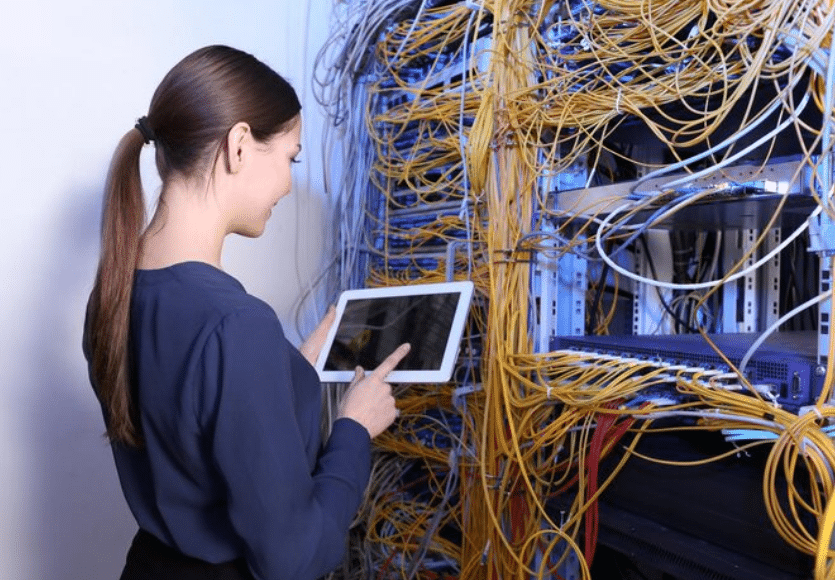
In our technology-driven world, network efficiency is essential for maintaining smooth operations and safeguarding data. A reliable network analyzer plays a critical role in monitoring traffic, identifying bottlenecks, and managing bandwidth effectively. Using a dependable network analyzer ensures accurate diagnostics and consistent monitoring, enabling IT teams to make informed decisions with confidence. These tools provide valuable insights into network behavior, allowing IT teams to detect unusual patterns and potential threats early. By facilitating faster troubleshooting, network analyzers help prevent downtime, maintain security, and ensure consistent performance. As organizations increasingly rely on digital infrastructure, having a dependable analyzer becomes crucial for seamless communication and operational efficiency.
Understanding What a Network Analyzer Does
A network analyzer is a diagnostic tool designed to monitor and evaluate the performance of computer networks. It captures data packets traveling across the system, enabling administrators to analyze traffic, detect issues, and identify unauthorized access. These devices or software solutions allow IT professionals to monitor bandwidth usage, latency, and protocol compliance. By visualizing data in real-time through charts and graphs, network analyzers make it easier to pinpoint problems and implement solutions that maintain smooth connectivity. Ultimately, they support both performance optimization and network security, making them essential for modern IT operations.
The Need for a Reliable Network Analyzer
Digital systems and networks are now central to communication, business, and daily operations. Instant messaging, video calls, and cloud collaboration rely on stable and secure networks. However, this heavy dependence introduces risks such as cyberattacks, data breaches, and information overload. Maintaining optimal performance and protecting sensitive data require robust monitoring tools. Neglecting network issues can escalate small glitches into major disruptions, causing slow response times, data loss, or complete outages. Proactively managing networks with reliable analyzers prevents such problems and ensures uninterrupted service.
Challenges in Network Management
Managing modern networks involves addressing multiple complexities. Ensuring consistent performance amid growing traffic is a constant challenge. Security threats, including hacking attempts and unauthorized access, must be mitigated continuously. Network infrastructure is often intricate, making troubleshooting and maintenance demanding. Keeping up with evolving technologies requires ongoing staff training, while budget limitations can complicate upgrades. Effective communication among IT teams is essential for addressing these challenges efficiently. Without proper tools, minor network problems can escalate, resulting in costly repairs and operational delays.
Understanding Network Analyzer Functionality
Network analyzers work by capturing and examining data packets traveling through the system. This allows administrators to track traffic patterns, assess bandwidth usage, and detect latency issues. They help identify misconfigured devices, potential bottlenecks, and security vulnerabilities. By monitoring for unusual activity, these tools provide a proactive approach to network management. Network analyzers often include visual dashboards and reporting capabilities, which make interpreting complex data easier and support quick, informed decisions. Their primary purpose is to optimize performance while maintaining security and reliability.
Different Types of Network Analyzers
The market offers several types of network analyzers tailored for various needs. Protocol analyzers focus on capturing and analyzing packets, highlighting issues in traffic flow or security. Spectrum analyzers measure signal strength and frequency usage in wireless networks to identify interference sources. Network performance analyzers assess overall bandwidth and latency, ensuring efficient operation. Specialized tools may target specific protocols or applications, providing detailed insights into particular services. These analyzers often include real-time monitoring, reporting, and historical data analysis, allowing organizations to maintain robust networks effectively.
Key Features of a Reliable Network Analyzer
When choosing a network analyzer, certain features are essential for optimal performance. Real-time monitoring provides instant feedback on traffic and potential issues. Comprehensive protocol support ensures compatibility with different systems and devices. User-friendly interfaces enable IT professionals to troubleshoot quickly, while detailed reporting tools offer insights into historical performance trends. Security measures protect sensitive network data, and integration capabilities allow analyzers to work seamlessly with existing infrastructure. Deployment options, whether cloud-based or on-premises, also affect flexibility and scalability for various organizational needs.
Advanced Functionalities for Enhanced Performance
Modern network analyzers offer advanced features like automated diagnostics and network mapping. Automated diagnostics help identify and resolve issues quickly, minimizing downtime and resource usage. Network mapping visualizes the entire system, showing relationships between devices and traffic patterns. This comprehensive view allows IT teams to manage and plan networks strategically. By proactively monitoring performance metrics, organizations can address problems before they escalate, ensuring reliable operations. Such functionalities are crucial for businesses relying on uninterrupted network performance in fast-paced digital environments.
Choosing the Right Network Analyzer
Selecting the ideal network analyzer requires careful consideration. Assess the protocols and technologies that need monitoring and ensure compatibility. Evaluate the interface for ease of use and determine whether real-time monitoring or historical data review is more relevant. Compare features, pricing, and customer support options to balance budget and functionality. Considering these factors helps organizations choose tools that improve efficiency, optimize network performance, and provide long-term reliability tailored to their unique infrastructure.
Optimizing Network Performance with Analyzers
Network analyzers improve performance by identifying and addressing issues that can impede operations. By monitoring traffic patterns and bandwidth usage, IT professionals can optimize resources, resolve bottlenecks, and detect security threats. This proactive approach prevents disruptions, enhances reliability, and ensures seamless communication across systems. Organizations benefit from faster issue resolution, increased throughput, and minimal downtime. In essence, network analyzers transform reactive management into a proactive strategy for maintaining efficient networks.

Long-Term Benefits of Optimal Network Performance
Achieving and maintaining optimal network performance provides lasting advantages. Efficient networks increase productivity by minimizing delays and system disruptions. Reliable connectivity promotes better collaboration among teams, supporting innovation and creative problem-solving. Cost reductions arise from fewer outages and lower maintenance expenses, while customer satisfaction improves due to uninterrupted services. A robust network infrastructure also ensures scalability, allowing businesses to adapt to growing demands without compromising quality. Ultimately, consistent network performance strengthens operational efficiency and supports sustainable growth.